Home Blog Page 29

Money Sent is aiding borderless money transfers

0

Our Reporter.

Have you ever been with an account that has money but are unable to access it? Put differently, has someone ever called you with an emergency that needs money? You may even have the money but are unable to send it to this person because of the absence of a transfer system?

A few years ago, a Ugandan was faced with such a problem (had money but was unable to send it to his friend who had an emergency), and got frustrated. But from the frustration, something good was born. Together with his peers, he developed Money Sent – a mobile app that allows both individuals and companies to connect conveniently in order to send, receive and coordinate efforts involving money.

“Together with my team, we developed an application that allows people to send and receive money. The reason why I created Money Sent was because one time ago, when I wanted to send money to my friend in America and wanted to do MoneyGram online; I signed up successfully at MoneyGram online but unfortunately I couldn’t send money to another person using MoneyGram online because I was a Ugandan. So, I was like Uganda needs something international; a solution that anyone can use to send and receive money regardless of their nationality. I thought of something that would be cheaper and convenient for everyone,” said James Mukasa, the Money Sent Founder and CEO, adding;

“It has been more than a year since we started and we have been growing well. The reason why we are called Money Sent is that it is in the past. The moment you click send; money has already been sent. It is instantaneous and secure. We are serving more than 3,000 customers right now. We have 497 agents around the country. We have done more than UGX 1 billion in transactions.”

Money Sent is bridging the gap between the banked and unbanked as no bank account is necessary to send or receive money using this system. The Application is built with online banking level security, meaning that the security of the application, transactions, data, and information of clients is guaranteed. It relies on principles that govern remittances worldwide and is compliant with AML (Anti-Money Laundering) standards. The Money Sent system is built on strong security standards, and prevents criminals from using the system for their selfish gains and nefarious interests.

This online payment system addresses not only the challenges of the fees charged, delays and tediousness of remittance processes, but also promotes targeted investment.

But even with the platform picking up well, Mr. Mukasa nonetheless decries the high charges levied by the telecoms which make business very hard for other stakeholders.
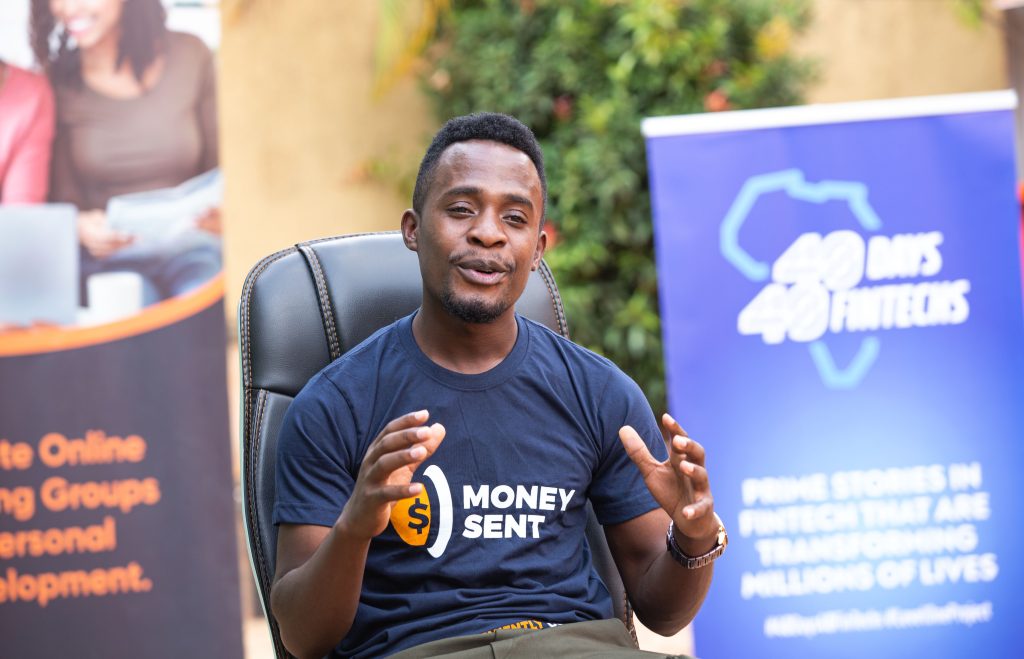
“Most of the unbanked people use MTN and Airtel. When our customers are adding more on Money Sent, the telecoms charge two percent or more yet the client expects to get the money as they have deposited it yet Money Sent has received lower thanks to these charges. This is a very big challenge. There should be togetherness in everything we do because Uganda is too big for only MTN and Airtel,” Mukasa explained.

Money Sent is the fourth participant in this year’s 40 Days 40 FinTechs initiative.

40-Days 40-FinTechs

Now in its third edition, #40Days40FinTechs has quickly grown into one of the world’s premier showcase events for the innovations that are enabling ever more people to join the digital economy space. That is surely going to remain the case, in large part due to the inspiration and collaboration that our partners; Level One Project, Mojaloop, ModusBox, and Crosslake Technologies generate, but mostly because of the continuing generous support of the Gates Foundation.

Digital Innovators and FinTechs around East Africa should be more eager to embrace 40 Days 40 FinTechs as Season three will cover physical destinations in Uganda, Kenya, Tanzania, Burundi and Rwanda.

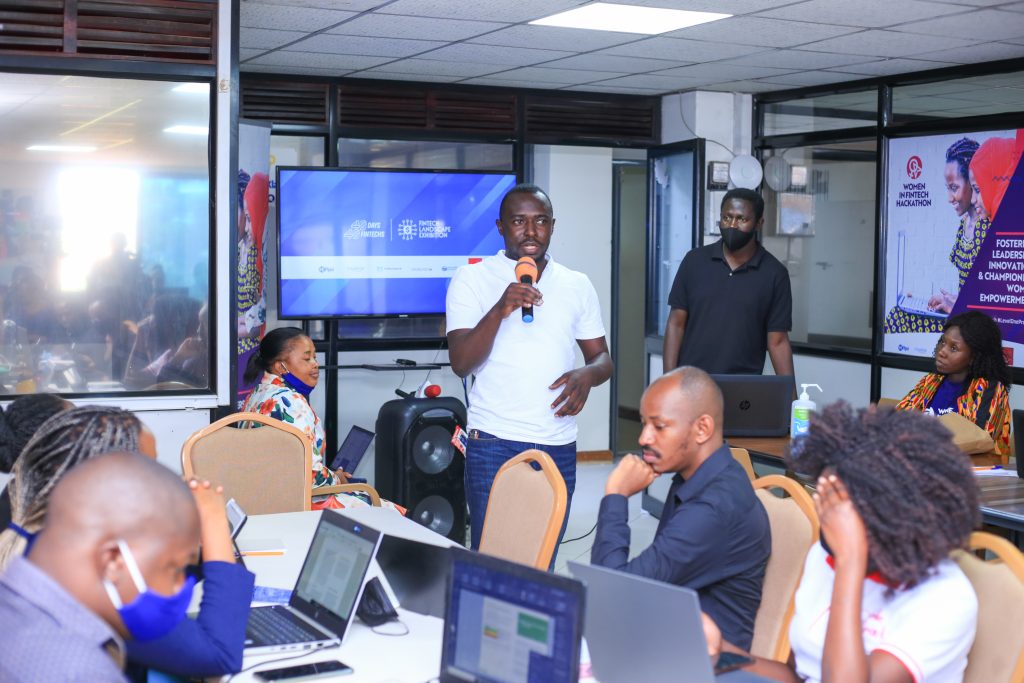
Run under HiPipo’s Include Everyone program that also encompasses other initiatives such as FinTech Landscape Exhibition, Women in FinTech Hackathon, Summit & Incubator and the Digital and Financial Inclusion Summit and Digital Impact Awards Africa; the #40Days40FinTechs platform aptly provides a setting for the various players and stakeholders involved in digital and financial technology to exhibit their products & Services and also share their ideas on how more of us, especially those unserved and underserved by the present financial systems, can be brought into the fold.

The 40 Days 40 FinTechs initiative offers participants useful tools and an introduction to industry’s emerging technologies, such as Mojaloop Open Source Software, and guidance from Level One Project foundational material. The skills gained from this initiative cover Level One Project Principles, Instant and Inclusive Payment Systems (IIPS), Inclusive Finance and FinTech in general.

According to HiPipo CEO Innocent Kawooya, this year’s edition will cement achievements of the previous editions – where over 60 FinTechs have been transformed – but also build on them to leverage digital financial inclusion in East Africa and beyond. “As HiPipo, our extensive effort and advocacy is partly for the intention of championing digital innovation and interoperable instant and inclusive payment systems (IIPS) in Africa to a point where our innovators enjoy and achieve sound profit margins to help them keep designing and deploying affordable and inclusive financial services for the poor,” Kawooya said.

Card Pesa is keeping start-ups and individuals afloat with instant collateral-free loans

Our Reporter.

Regardless of how persuasive loan advertisements are, getting credit in Uganda is one complicated hustle; more so for those in the informal sector – who happen to be the huge majority.

When one visits a formal financial institution, the paperwork, waiting time and costs involved to process a loan become a huge turn-off. This forces many to turn to loan sharks who have outrageous conditions; despite having instant cash.

Many ask those seeking credit to sign off their collateral security as sale agreements with a mutual understanding that when the loan is repaid, the sale agreement will become null and void. This particularly leaves those seeking credit between a rock and a hard place.

Nevertheless, there are digital solutions that are closing this credit gap. One of those organizations that is revolutionizing and democratizing credit is Card Pesa.

Card Pesa is a tier-four Non-Deposit Taking Microfinance Institution that uses online and cellular platforms to provide small working capital and emergency loans.

The Card Pesa platform is built to use Unstructured Supplementary Service Data (USSD) and online applications to deliver credit to you wherever you are for as long as you can connect to a telecom network. It is automated and therefore service time from the point you request for credit to the point you receive the credit is a matter of seconds.

The solution enables people access collateral-free working capital loans instantaneously to invest in their businesses so as to maintain or increase their earnings. It also provides personal emergency loans to its subscribers.

Instead of asking for physical collateral, CardPesa assesses the borrower’s creditworthiness and loan limits using five Cs – the borrower’s character, capacity, capital, available conditions in the environment and collateral – which in this case is in form of one’s biodata, references and one’s business or workplace.

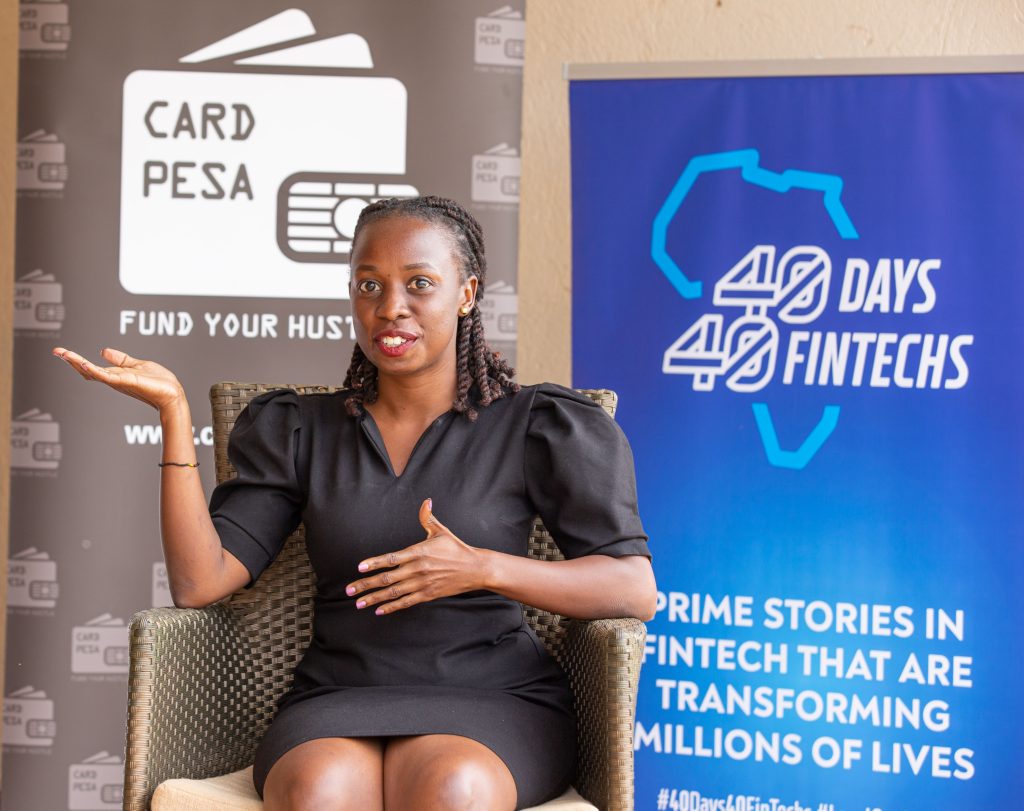
According to Victoria Birungi, the Card Pesa Head of Operations, the company is committed to funding everyone’s hustle for as long as you prove that you are involved in a profitable activity, need money and have the capacity to repay.

“We are extending loans for business and emergency services to different types of people. To get started, you are required to sign up to the platform by visiting www.cardpesa.com/signup. After signing up, our team gets in touch with you and your submitted references to confirm that the information you have given us is actually correct. Depending on how responsive you are, you will be able to access funds within 48 hours,” Birungi said;

She added: “At the end of the day, all the steps you go through help find out that you are involved in an economic activity so that we are able to fund your hustle.”

Basing on one’s credit history on the platform, their limits can be increased to millions and even given better service plus longer repayment periods. To provide the loan service, Card Pesa integrated into Airtel Money, MoMo Pay and banks to easily provide instant credit to its clients.

Card Pesa is the third participant to be showcased in the 2022 40 Days 40 FinTechs initiative.

40-Days 40-FinTechs

Now in its third edition, #40Days40FinTechs has quickly grown into one of the world’s premier showcase events for the innovations that are enabling ever more people to join the digital economy space. That is surely going to remain the case, in large part due to the inspiration and collaboration that our partners; Level One Project, Mojaloop, ModusBox, and Crosslake Technologies generate, but mostly because of the continuing, generous support of the Gates Foundation.

Digital Innovators and FinTechs around East Africa should be more eager to embrace 40 Days 40 FinTechs as Season three will cover physical destinations in Uganda, Kenya, Tanzania, Burundi and Rwanda.

Run under HiPipo’s Include Everyone program that also encompasses other initiatives such as FinTech Landscape Exhibition, Women in FinTech Hackathon, Summit & Incubator and the Digital and Financial Inclusion Summit and Digital Impact Awards Africa; the #40Days40FinTechs platform aptly provides a setting for the various players and stakeholders involved in digital and financial technology to exhibit their products & Services and also share their ideas on how more of us, especially those unserved and underserved by the present financial systems, can be brought into the fold.

The 40 Days 40 FinTechs initiative offers participants useful tools and an introduction to industry’s emerging technologies, such as Mojaloop Open Source Software, and guidance from Level One Project foundational material. The skills gained from this initiative cover Level One Project Principles, Instant and Inclusive Payment Systems (IIPS), Inclusive Finance and FinTech in general.

According to HiPipo CEO Innocent Kawooya, this year’s edition will cement achievements of the previous editions – where over 60 FinTechs have been transformed – but also build on them to leverage digital financial inclusion in East Africa and beyond. “As HiPipo, our extensive effort and advocacy is partly for the intention of championing digital innovation and interoperable instant and inclusive payment systems (IIPS) in Africa to a point where our innovators enjoy and achieve sound profit margins to help them keep designing and deploying affordable and inclusive financial services for the poor,” Kawooya said.

Kawu is using FinTech to make school life a joy to live

Our Reporter.

The word Kawu must be familiar to whoever attended boarding schools in Uganda. Kawu is that period in a boarding school when a student’s pocket money and grab – read packed eats and drinks – are over and the only thing left to feed on are the meals served by the school kitchen. These meals are usually porridge, posho and beans.

The word Kawu is an abbreviation for Kawunga (Posho) and Kawukuumi (beans weevils) served in most schools.  

After going through long spells of Kawu, a group of young Ugandans don’t wish to see others in boarding schools suffer the same fate. As such, they came up with a digital solution for managing student’s pocket money and expenditure.

Named Kawu, the platform allows students to safely keep their money and spend it without wastage. It enables parents and guardians to periodically send money to students, manage their expenditure and also teach them financial discipline.

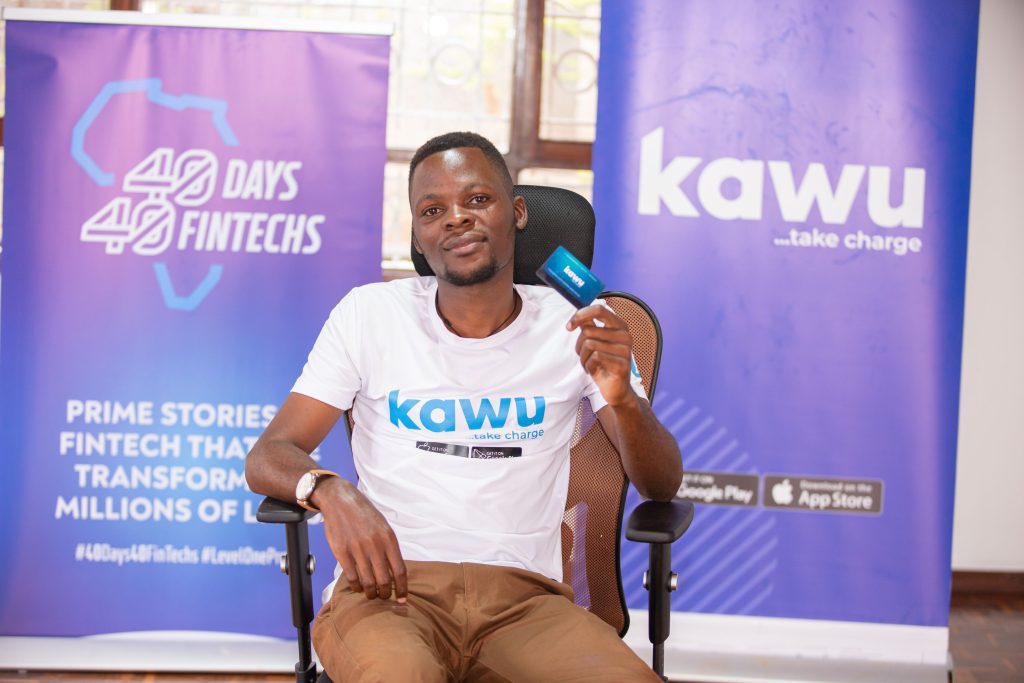
“In the past, the arrangement has been that parents and guardians leave money with teachers, matrons, wardens and canteen attendants. The student would then go and ask for the money whenever they need to spend. Sometimes, those left with the cash, get emergencies and end up spending this money with hope of refunding it. This arrangement is tiresome, risky, time consuming and doesn’t benefit those that keep the money,” Steven Kakooza, a director at Kawu Uganda explained the rationale behind the Kawu platform.

He added: “But with Kawu, a student has a smart card which s/he uses to make payments at school canteen and also withdraw money in case a need for cash arises. The teachers, matrons, wardens and canteen attendants are the agents that enable the transactions. They get a commission for this. All they need is a smartphone to enable the transactions. A student only needs to have the Kawu smart card. For the parents, they just need to log on to the APP, send money to the student’s smart card, and set periodic expenditure limits. Kawu benefits all stakeholders.”

Since rolling out the platform at the start of the year, Kawu is already active in 20 schools and serving over 1,000 students.

“We have received a lot of positive reception everywhere we have gone. We are actually overwhelmed by the requests from different schools that want to enroll on to Kawu. Over 90 per cent of the schools we visit wish to have their students on Kawu. The team is now focusing on ensuring that we are able to accommodate the huge numbers that we are bringing on board. We are very optimistic that thanks to Kawu platform, Uganda’s students are going to become cashless very soon.”

According to Kakooza, Uganda’s financial inclusion story should include everyone regardless of age and location.

“People always admire the flowers but ignore the roots yet without roots, the flowers couldn’t grow. For our case, we are enhancing financial inclusion and teaching financial literacy right from schools so that by the time these students leave school, they are equipped with sufficient knowledge to do better financially,” Kakooza said.

Kawu Uganda Limited is the second participant in the 2022 40 Days 40 Fintechs initiative.

40-Days 40-FinTechs

Now in its third edition, #40Days40FinTechs has quickly grown into one of the world’s premier showcase events for the innovations that are enabling ever more people to join the digital economy space. That is surely going to remain the case, in large part due to the inspiration and collaboration that our partners; Level One Project, Mojaloop, ModusBox, and Crosslake Technologies generate, but mostly because of the continuing, generous support of the Gates Foundation.

Digital Innovators and FinTechs around East Africa should be more eager to embrace 40 Days 40 FinTechs as Season three will cover physical destinations in Uganda, Kenya, Tanzania, Burundi and Rwanda.

Run under HiPipo’s Include Everyone program that also encompasses other initiatives such as FinTech Landscape Exhibition, Women in FinTech Hackathon, Summit & Incubator and the Digital and Financial Inclusion Summit and Digital Impact Awards Africa; the #40Days40FinTechs platform aptly provides a setting for the various players and stakeholders involved in digital and financial technology to exhibit their products & Services and also share their ideas on how more of us, especially those unserved and underserved by the present financial systems, can be brought into the fold.

The 40 Days 40 FinTechs initiative offers participants useful tools and an introduction to industry’s emerging technologies, such as Mojaloop Open Source Software, and guidance from Level One Project foundational material. The skills gained from this initiative cover Level One Project Principles, Instant and Inclusive Payment Systems (IIPS), Inclusive Finance and FinTech in general.

According to HiPipo CEO Innocent Kawooya, this year’s edition will cement achievements of the previous editions – where over 60 FinTechs have been transformed – but also build on them to leverage digital financial inclusion in East Africa and beyond.

“As HiPipo, our extensive effort and advocacy is partly for the intention of championing digital innovation and interoperable instant and inclusive payment systems (IIPS) in Africa to a point where our innovators enjoy and achieve sound profit margins to help them keep designing and deploying affordable and inclusive financial services for the poor,” Kawooya said.
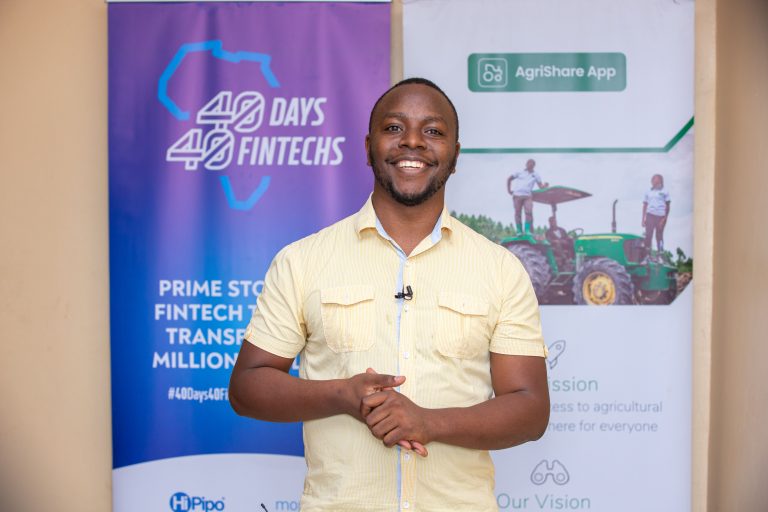
AgriShare is using FinTech to improve farmers’ livelihood as Season Three of 40 Days 40 FinTechs kicks off

Our Reporter.

No serious storyteller can narrate Uganda’s post-independence story without giving prominence to the famous Luweero triangle. It is that pivotal but that is a story for another day.

For decades, farmers in Uganda have earned very little, sometimes nothing from their produce and farmland due to issues such as failure to source the right inputs, absence of modernization equipment and inability to access ready markets among others.

But this may soon be a thing of the past, if the latest developments in the sector are anything to go by.

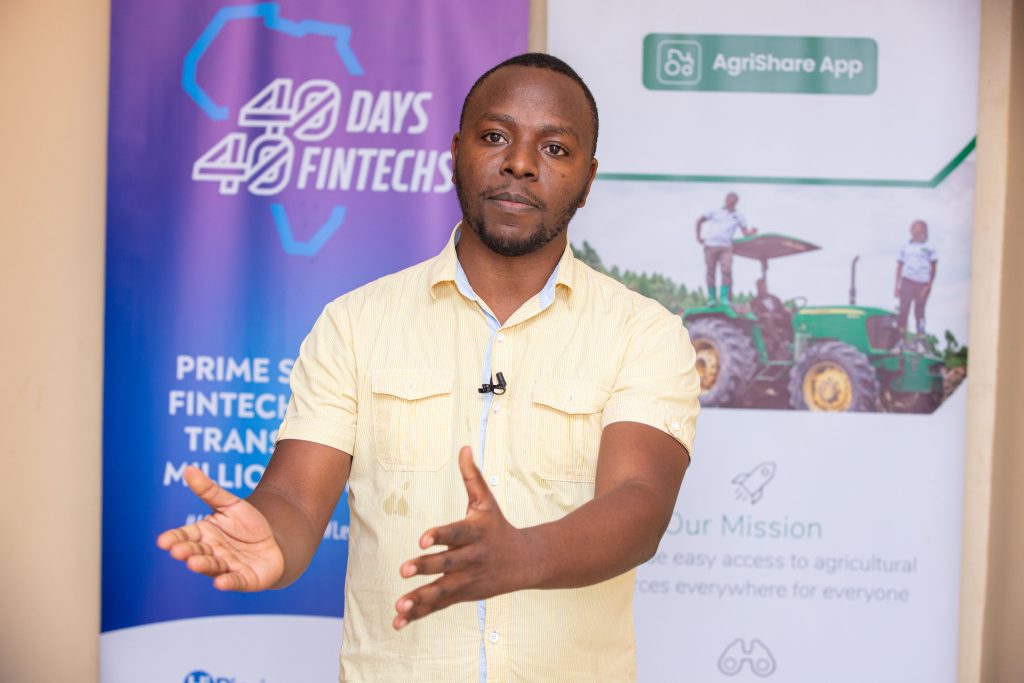
Based in Luweero, a group of youth is taking lead in the modernization and commercialization of Agriculture. They are doing this through a digital-based platform named AgriShare.

AgriShare is a social enterprise which uses mobile digital technology to connect farmers to services like land for hire, tractors, irrigation equipment, and labor and value addition equipment.

The web-based application is also targeting youth, Uganda’s largest population cluster who grapple with unemployment.

Launched in Uganda in 2021, AgriShare already has over 15,000 subscribers and over 10,000 transactions. Even so, AgriShare’s story started in Zimbabwe in 2017 where over 50,000 people are using the platform. Encouraged by this success, the platform is now expanding in other African countries with Malawi next in queue, with a launch planned for this year.  

Agro-based Economy.

Agriculture in Uganda employs more than 70 per cent people, but Ugandan farmers are also the poorest. Farm productivity is substance-based because of the absence of equipment and other essential farming services.

“Over 70% of land in Uganda is arable for agriculture, yet less than 30% is under cultivation. Predominantly, the most used tools used are rudimentary. Admittedly, they are most times too expensive to afford. The twist is though, as some struggle to get equipment, others have them lying idle,” says Paul Zaake, the Managing Director at AgriShare.

Zaake says he has built a network of agents to help farmers and service providers, who may not be familiar with smart phones.

“All we are doing is to change the way Agriculture is done in Uganda. We are here to improve food security. But most importantly, we are here to ensure that farmers have joy, create employment and boost our economy,” Zaake noted. 

How it works

Any farmer with a smartphone can download the Agrishare app and order equipment like labor, irrigation pumps, and resources like land and labor.

On the other side, a farmer with excess or idle resources can list them on the Agrishare application and earn extra money when they are hired out. In a nutshell, the application is where resource owners meet resource-seekers.

With concerns of low smartphone penetration and high internet charges, Agrishare has agents spread across the country, to help farmers book or list resources.

AgriShare is the first participant to be featured on the 40 Days 40 FinTechs initiative, season three that has officially got underway today, the 13th of June, 2022.

40-Days 40-FinTechs

Now in its third edition, #40Days40FinTechs has quickly grown into one of the world’s premier showcase events for the innovations that are enabling ever more people to join the digital economy space. That is surely going to remain the case, in large part due to the inspiration and collaboration that our partners; Level One Project, Mojaloop, ModusBox, and Crosslake Technologies generate, but mostly because of the continuing, generous support of the Gates Foundation.

Digital Innovators and FinTechs around East Africa should be more eager to embrace 40 Days 40 FinTechs as Season three will cover physical destinations in Uganda, Kenya, Tanzania, Burundi and Rwanda.

Run under HiPipo’s Include Everyone program that also encompasses other initiatives such as FinTech Landscape Exhibition, Women in FinTech Hackathon, Summit & Incubator and the Digital and Financial Inclusion Summit and Digital Impact Awards Africa; the #40Days40FinTechs platform aptly provides a setting for the various players and stakeholders involved in digital and financial technology to exhibit their products & Services and also share their ideas on how more of us, especially those unserved and underserved by the present financial systems, can be brought into the fold.

The 40 Days 40 FinTechs initiative offers participants useful tools and an introduction to industry’s emerging technologies, such as Mojaloop Open Source Software, and guidance from Level One Project foundational material. The skills gained from this initiative cover Level One Project Principles, Instant and Inclusive Payment Systems (IIPS), Inclusive Finance and FinTech in general.

According to HiPipo CEO Innocent Kawooya, this year’s edition will cement achievements of the previous editions – where over 60 FinTechs have been transformed – but also build on them to leverage digital financial inclusion in East Africa and beyond.

“As HiPipo, our extensive effort and advocacy is partly for the intention of championing digital innovation and interoperable instant and inclusive payment systems (IIPS) in Africa to a point where our innovators enjoy and achieve sound profit margins to help them keep designing and deploying affordable and inclusive financial services for the poor,” Kawooya said.
Two Million Businesses to benefit from Interoperable merchant payment switch

Private Sector Foundation Uganda’s new Chief Programs and Projects Officer, Damali Ssali in April presented about the vast business and investment opportunities that Uganda’s private sector offers through its umbrella arm, PSFU at the PI-18 Mojaloop community meeting organised by Gates Foundation and Mojaloop Foundation.

Top of the discussion was PSFU partnering with local and international tech giants, the central bank and private foundations, and donor agencies to build the first-ever Ugandan Private sector-led Instant and Inclusive Payment System that will enable consumers and merchants alike to transact and make digital payments seamlessly across East African borders.

While Uganda has experienced strong economic growth and progress in the usage of digital financial services, at least 40% of Uganda’s adult population is still financially excluded, especially in rural areas. This provides for a largely untapped market that financial services providers can explore and innovate. Effective uptake of Digital financial services can support reaching these harder-to-reach users, the majority of whom are low-income consumers, and bring them into the formal financial ecosystem. More attention is required of a wider segment of industry stakeholders to what is undeniably the future of digital financial services, interoperability. Experience globally proves that interoperability substantially strengthens the value proposition for customers of digital payments by decreasing costs while improving convenience and allowing the market as a whole to take off and in the end the achieved scale justifies the need for adopting interoperability, as a study by the Level One Project references.

For instance, the cost of moving money across MNOs, banks, and MFIs is still so high across the economy and is not real-time. Someone has to cause deliberate and collaborative action across sectors to create affordable digital systems that facilitate instant and inclusive digital payments.

Damali Ssali is an integral member of the FinTech network in Uganda, she is engaged regularly to provide her expertise and input on financial services, trade, and policy aspects in FinTech. She has engaged with the Ugandan FinTech community for the last three years and this time in the capacity of Chief Programs and Project Officer at the Private Sector Foundation Uganda, she presented a case of onboarding more than two million merchant businesses by creating an interoperable payment switch to power a countrywide merchant payments use case. Damali presented with Innocent Kawooya, the HiPipo, CEO.

Others in the week-long meeting included executives from the Gates Foundation, Mojaloop Foundation, HiPipo Foundation, Crosslake Technologies, ModusBox, Coil, Bank of Tanzania, RFP, and a Team from Bank of Tanzania and Tanzania Instant Payment Switch among others.

Over the last eight years until June 2021, Damali served as Country Director leading the team at Trademark East Africa (TMEA), and during this period, working with the Government of Uganda through the Ministry of Trade, Industry and Cooperatives supported the Ratification of the African Continental Free Trade Area (AfCFTA), the Ratification of the World Trade Organisation Trade Facilitation Agreement and the Bilateral Trade Agreement between Uganda and the Democratic Republic of Congo.

Also, working with the Ministry of Works and Transport to deliver the Cross Border Trade Facilitation Infrastructure portfolio of five One-Stop Border Posts (OSBPs) and With the Uganda Revenue Authority, to deliver the Uganda Electronic Single Window and the Regional Electronic Cargo Tracking System to enable the automation of trade process and ease the movement of cargo.

#40Days40FinTechs #LevelOneProject Season Three Is Here!

We are proud to say that the second HiPipo 40 Days 40 FinTechs that ran in the months of July and August, 2021 set the bar very high. Even though it started soon after the partial lifting of the 2021 lockdown, it was tremendously successful.

#40Days40FinTechs has quickly grown into one of the world’s premier showcase events for the innovations that are enabling ever more people to join the digital economy space. That is surely going to remain the case, in large part due to the inspiration and collaboration that our partners; Level One Project, Mojaloop, ModusBox, and Crosslake Technologies generate, but mostly because of the continuing, generous support of the Gates Foundation.

Digital Innovators and FinTechs around East Africa should be more eager to embrace 40 Days 40 FinTechs as Season three will cover physical destinations in Uganda, Kenya, Tanzania, Burundi and Rwanda.

Run under HiPipo’s Include Everyone program that also encompasses other initiatives such as FinTech Landscape Exhibition, Women in FinTech Hackathon, Summit & Incubator and the Digital and Financial Inclusion Summit and Digital Impact Awards Africa; the #40Days40FinTechs platform aptly provides a setting for the various players and stakeholders involved in digital and financial technology to exhibit their products & Services and also share their ideas on how more of us, especially those unserved and underserved by the present financial systems, can be brought into the fold.

The 40 Days 40 FinTechs initiative offers participants useful tools and an introduction to industry’s emerging technologies, such as Mojaloop Open Source Software, and guidance from Level One Project foundational material. The skills gained from this initiative cover Level One Project Principles, Instant and Inclusive Payment Systems (IIPS), Inclusive Finance and FinTech in general.

As captured by its name, 40 Days 40 FinTechs always delivers over two months of exhibition, dialogue and discussion, one not seen in the sector before. The initiative continues to generate enormous publicity, demand and pull for instant and inclusive real-time retail payment systems.

Last, but definitely not least, it draws the most attention yet to what is undeniably the future of digital financial services – interoperability.

Several participants are going on to innovate for sectors beyond just the traditional financial services but are making forays into healthcare, education, lending, remittances, agriculture, Robo-advisor, Payments, RegTech, InsurTech, crowdfunding, neo-banking, cryptography, cryptocurrency, Interledger, Blockchain, cross-border payments, retirement schemes and new ways of operating bonds and real estate among others. In their day-to-day operations, they are changing the lives of the likes of rural farmers, women, merchants, small business holders (formal and Informal), and unemployed youth, in a way creating forays for digital youth champions, women and other special interest groups (SIGs).

Not to be overlooked are the various governmental policymakers and regulators who continue to participate in the different discussions and activities we host. It is evident that demand for FinTech, DFS, IIPS, and interoperability has rapidly grown in recent years due to the impact of the broader HiPipo Include Everyone Program.

For the FinTechs, the cost-free exposure aided by the generosity of the Level One Project; an initiative of the Bill and Melinda Gates Foundation’s Financial Services for the Poor (FSP) program, which is part of their Global Growth and Opportunity division, is still of immeasurable value.

“As HiPipo, our extensive effort and advocacy is partly for the intention of championing digital innovation and interoperable instant & inclusive payment systems (IIPS) in Africa to a point where our innovators enjoy and achieve sound profit margins to help them keep designing and deploying affordable and inclusive Financial Services for the Poor. It was thus pleasant for us to learn that up to 25 of our season two participants not only continued to enjoy increased client engagement and better bottom lines as a direct result of participating in the 40 Days 40 FinTechs initiative but are also helping to generate economy-wide efficiencies by digitally connecting millions of low-income consumers that are learning to transact at a fast rate,” Innocent Kawooya, the HiPipo CEO noted.

“But this is just the start, and we acknowledge there is a lot more to do. Season three of 40 Days 40 FinTechs is here, starting mid-2022 with optimism that the initiative will impact even more lives and livelihoods going forward.”

We are alive to the current market realities which continue to inform ours and our partners’ thinking, in regards to ensuring the healthiness and overall safety of participants throughout the different activities. Furthermore, we believe that, just like last year, FinTechs will take up the challenge and use the opportunity to ride the wave of appreciation for cashless payments the pandemic has brought. We need to be prepared with appropriate products and have the appropriate real-time retail payment systems in place to support an inclusive, interoperable digital marketplace that is both thriving and safe.

“It will be exciting to see what the participants have to offer. And again, various stakeholders will be on hand for more discussion and debate, with this time round extra insight from the likes of banks and MNOs. We anticipate extensive discussion on Instant and Inclusive Payment systems, Central Bank Digital Currencies(CBDC), advancing convenience for users, cross-border payments and on micro-lending products (especially those offering facilities to persons and communities that are still on the bylines of finance and trade for example; women, PWDs and other SIGs),” said Innocent Kawooya, the HiPipo CEO.

40 Days 40 FinTechs Initiative is implemented by HiPipo in partnership with Crosslake Technologies, ModusBox, and Mojaloop Foundation, and generously sponsored by the Gates Foundation.

It is ultimately also HiPipo’s hope that more people, from all walks of life, will be drawn to the advocacy for financial inclusion. Together, we will bring the day when it is at 100% ever closer.

Registration is on first-come, first-served basis so qualifying FinTech stakeholders operating in Uganda, Kenya, Tanzania, Rwanda, and other parts of the continent are encouraged to book their slots before 11th June 2022.

So see you soon.

SCOPE
ProjectDate
40 Days 40 FinTechs13th June to 30th July 2022
FinTech Landscape Exhibition11th August to 12th August 2022
Women In FinTech Hackathon10th to 16th September 2022
Women In FinTech Summit16th September 2022
Women In FinTech Incubator26th September 2022 to 6th January 2023
Digital and Financial Inclusion Summit18th November 2022
Digital Impact Awards Africa18th November 2022

Ends.

HiPipo awarded Best Financial Inclusion Organisation in East Africa- FinTech Awards 2022

0

We are proud to announce that HiPipo has been awarded the Best Financial Inclusion Organization in East Africa by FinTech Awards 2022 hosted by Wealth & Finance International.

Wealth and Finance identifies organisations that are deserving of recognition for the works they perform, giving the aforementioned organisations a boost to their profiles, and enlarging their professional networks. Theirs is an esteemed platform, and offers fantastic opportunities for HiPipo to enhance and improve its initiatives while impacting millions of lives and livelihoods.

They thus recognise organisations committed to advancing financial inclusion, gender equality and financial equity as core foundation principles for ensuring that we together build a world that is inclusive for everyone, not less. And it is for that reason that the jury chose HiPipo.

On behalf of the fantastic HiPipo team, Innocent Kawooya expressed his appreciation for the accolade. ‘I find it pleasing that the efforts of the HiPipo team are being recognised,’ he said, ‘this award was only given to HiPipo because I work with an incredible team’. He added, ‘It should also never be forgotten that we have been blessed with extraordinarily supportive partners. What we have done and achieved would not have been possible without the generous sponsorship of the Gates Foundation, and the technical input of Modusbox, Crosslake Technologies, Ideation Corner, the Mojaloop Foundation, MET Images, NG Films, and Decent Africa among others. This accolade is for all of us, and will spur us at HiPipo onwards to do even more’. Together we shall continue to grow.

HiPipo continues plays a vital role in advocating for the creation of a sound, secure, competitive, and universal financial system that is essential for sustainable and inclusive growth.

2022 has so far been another fruitful and progressive year for HiPipo. With Innocent Kawooya at the helm, the organisation once again made significant inroads in its advocacy for the adoption and dissemination of financial technology (FinTech), specifically as an avenue to increase Financial Inclusion amongst the underserved and unserved.

In this vein, HiPipo successfully carried out all its Financial Inclusion and FinTech initiatives, including the 40 Days 40 FinTechs & FinTech Landscape Exhibition, the Women-in-FinTech Hackathon & Summit, the Digital and Financial Inclusion Summit and the Digital Impact Awards Africa. And added to this was the Women-in-FinTech Incubator. ‘The Incubator is HiPipo maintaining a strong commitment to empowering women in the digital technology space’, Innocent commented, adding, ‘they must be prioritised for the knowledge and tools to build successful tech initiatives, for what they do shall ultimately serve communities better’.

There was also a landmark moment in HiPipo’s entertainment programs, as the 10th HiPipo Music Awards were successfully held at Mestil Hotel on the 10th of December, 2021, further cementing those honours as one of the most auspicious and longest running on the continent.

We say thank you, and promise that there is more to come going forward.

Our ultimate hope is to guarantee that Africa reaps dividends from its young population, starting now and ultimately in the future.

Damali Ssali Joins the HiPipo Foundation Board

It is with great pleasure that we announce that Damali Ssali has honoured the invitation we extended to her and agreed to become a Board Member of the HiPipo Foundation. Damali joins Hon. Eng. David Karubanga, Rose Busingye and Innocent Kawooya, with a worthy mention being made of Prof. Maggie Kigozi and Dr. Frederick Wamala – Ph.D, SABSA, CCSP, CISSP who regularly serve in an advisory role for the Board.

Damali is a business & finance expert with a passion for ideas, innovation and technology that fosters Financial Inclusion. She is the Founder and CEO of the Ideation Corner, a platform on which she has profiled a number of individuals whose expertise and initiatives are a cause for optimism that Ugandans can take the lead in their development and march to prosperity. She recently ascended to Uganda’s Ambassador for the United Nations Women’s Entrepreneurship Day Organization.

And it is mainly through her irrepressible advocacy for the financial empowerment of women that Damali has found a shared passion and common cause with HiPipo. She has thus been a partner, mentor, facilitator, keynote speaker and Chief Guest in a number of our activities. She also, at a moment’s notice, eagerly extends a hand of friendship and words of advice to those we entreat her to engage.

We are greatly excited that as part of the HiPipo Foundation Board, Damali shall take the lead in our Women-in-FinTech initiative, guiding us through existing activities like the Hackathon, Summit and Incubator, as well exploring more avenues to improve and increase our efforts towards a future where women have unencumbered access to the digital financial services they need.

Echoing this, Board Chairman Hon. Eng. David Karubanga said, ’At HiPipo we have been honoured to engage a number of extraordinary ladies, like our dear advisor Professor Maggie Kigozi. Ambassador Damali Ssali fits in that formidable mold, and we are supremely glad she has joined us. With her, and with the continued support of the Gates Foundation, HiPipo should positively change even more lives’.

Overall, it remains the HiPipo Foundation’s objective to continually include those who are passionate to ‘Include Everyone’.

Welcome, Damali!

UNBS Testing Capacity Boosted with Equipment worth UGX 6.9 Bn donated by the Danish Government through TradeMark East Africa.

0

The Danish Government through TradeMark East Africa (TMEA) has donated testing equipment worth USD 93,594 (about UGX 300 million) to Uganda National Bureau of Standards (UNBS) for testing and ensuring that quality COVID-19 prevention safety products are sold on the Uganda market.

In addition to this equipment, the Government of Denmark through TMEA is facilitating the decentralisation of the UNBS testing centres in three major cities of Mbarara, Gulu and Mbale by purchasing laboratory equipment worth USD 1.8 million ( about UGX 6.3 billion). 

According to David Livingstone Ebiru, the UNBS executive director, well as this testing equipment was procured to test COVID-19 prevention products such as face masks, surgical gowns, liquid detergents and sanitizers, it can also test Alcohol and Energy Drinks to ensure that they conform to consumption standards before they are introduced on to the market.

“I wish to thank the government of Denmark and TradeMark East Africa for this equipment and all their other investments in UNBS over the years. We are glad that we continue to be considered by development partners. Together with my team, we are committed to ensuring Quality Everywhere and this equipment comes in handy.”   

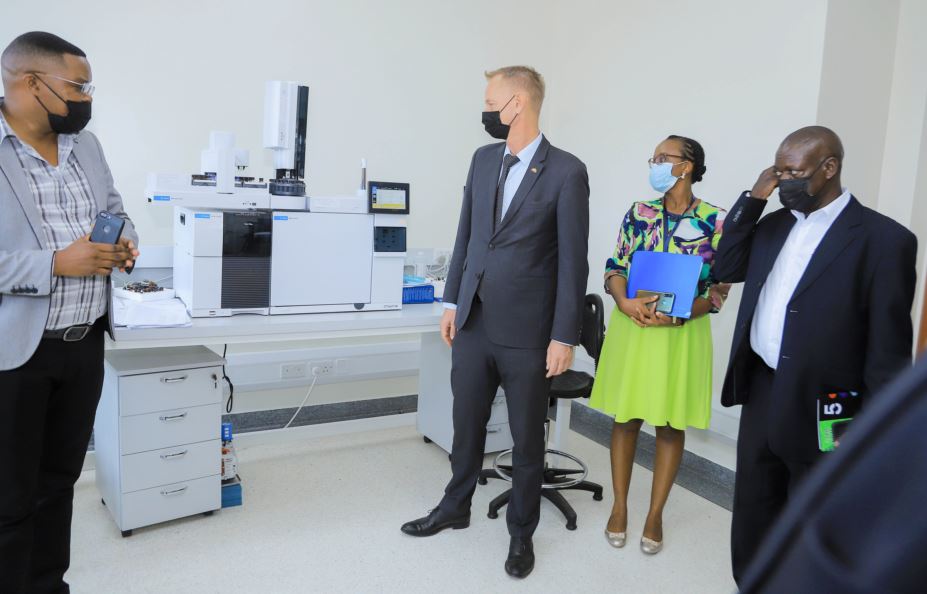
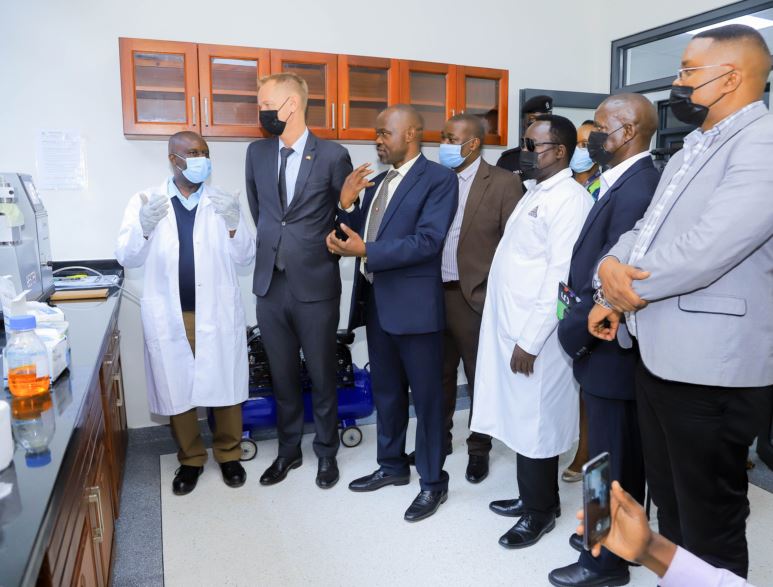
Even though this equipment was delivered last year, it was officially handed over, yesterday 22nd March, 2022 by H.E Nicolaj A.H. Petersen, the Ambassador of Denmark in Uganda. Also in attendance were Zackey Kalega  – the Ministry of Trade Commissioner Internal Trade and Anna Nambooze, the country director for TMEA Uganda and South Sudan

“Denmark is pleased that one of the interventions in this facility has been fulfilled and has been in use since last year. This equipment is used to test both locally produced and imported goods such as face masks, surgical gowns, clean air suits, respirators, sanitizers, and liquid detergents to monitor quality and performance for certification and consumer protection,” H.E Nicolaj A.H. Petersen said, adding;

“We have also learnt from UNBS that other than the COVID-19 prevention products, this equipment is also being used to test general textile products, paper products, toilet products and liquor. This is a very good thing as it shows the relevance of this equipment post COVID-19.”

The equipment received includes; Rapid Alcohol Analyser used for determination of alcohol content, pH meters used for determination of the pH levels; Differential Pressure tester for determination of breathability; Splash Resistance tester for determination of resistance to penetration and Bursting Strength Tester for determination of bursting pressure strength.

The above equipment are being used to test both locally manufactured and imported face masks (both medical and non-medical), surgical gowns, drapers, clean air suits, respirators, sanitisers, liquid detergents and other products such as alcoholic beverages which include spirits, vodka, gin, rum, beer, Kombucha and juices, soft drinks and textile materials, for conformity assessment which is in line with the UNBS mandate of consumer protection and strengthening the economy of Uganda by assuring the quality of locally manufactured products to enhance their competitiveness in regional and international markets.

Anna Nambooze, the TMEA country director for Uganda and South Sudan noted that ‘with the onset of the Covid-19 pandemic, TMEA realised the need to ensure continued safe trade. TradeMark East Africa designed the Safe Trade Emergency Facility (STEF) to ensure that, despite the pandemic, trade in essential goods continues with minimal interruption.

“Together with partners, we defined essential goods as priority food value chains, medicaments, personal protective equipment (PPE) such as masks, and hygiene products such as sanitizers and soaps. Through STEF, TMEA initially facilitated safe Trade-Supply of PPEs to border crossings in Uganda and across East Africa.” Anna Nambooze said.

“Upon the realisation that local companies were manufacturing masks and sanitiser among other PPEs, TMEA with DANIDA funding worked with UNBS to increase its capacity through procurement of the necessary equipment and consumables to undertake rapid assessments and tests.” Anna Nambooze said.

“The equipment supports the Government of Uganda’s efforts towards curbing the spread of Covid-19, other respiratory and communicable diseases through the availability of PPEs that comply with international standards.” Anna Nambooze said.

Zackey Kalega  – the Ministry of Trade Commissioner Internal Trade applauded the Government of Denmark and TradeMark East Africa for equipping UNBS with latest technology equipment for curbing the sell and consumption of sub-standard goods.

“As the ministry of Trade, we thank our development partners for this equipment and all their other trade facilitation contribution over the years. This equipment not only ensures that we have quality goods on the market but also helps our manufacturers to improve their production standards and compete internationally.” Zackey Kalega noted.

Commencement Of The We Will Win Initiative

HiPipo and the Ideation Corner, with great pleasure, announce the start of the We Will Win initiative, a project that is set to make extraordinary inroads into the development and growth of Uganda’s film industry.

The We Will Win initiative is the brainchild of and a collaboration between a number of like-minded influential players in the finance and entertainment industry. Together, we are The Consortium, and include HiPipo itself, The Ideation Corner, NG Films, MET Images, Koncepts & Sakyas, and Decent Africa.

Innocent Kawooya, the HiPipo CEO, is serving as the President, Technical Services, and Damali Ssali, the Ideation Corner Founder, is serving as President, Financial Services: they are the powerhouse duo spearheading the project.

We Will Win is a revolutionary and multi-pronged approach to steer to audiences and markets alike a high volume of quality films, all conceptualised, directed, and produced in Uganda, and all telling our stories our way. We Will Win is to offer technical and financial support at all levels of these productions, from the script to the shoot to the editing room, and then go even further to secure market for these visual stories.

This approach should see Uganda’s film industry move forward in leaps and bounds, not only by improving quality both in front of and behind the camera, but also by introducing Ugandan film to vast new interest and markets, both internally and externally, thus letting the industry emerge as the creative and empowering force it doubtless has the potential to be. HiPipo will call on its extensive experience in the same, having been the first Ugandan enterprise to produce and then place a local production onto an international streaming platform and the Ideation Corner will leverage its vast experience in social impact funding.

Be it action, drama, comedy or horror, be it mind-bending science-fiction or slapstick animation, experimental film or mythological fantasy, Uganda is a place of countless stories yet to be told and multitudes of voices ready to unfold and enthrall the world. Through our music and culture, we have shown we can hold the world’s attention. We Will Win is the springboard on which to make this vast creative leap forward, going even further in our storytelling and our entertaining. Yes, the time has come for us to stop looking for versions of our stories in those already told by others, but to finally go all out and tell our very own, and in our own way.

The wider picture of the We Will Win initiative speaks to how the creative industries are critical to the Sustainable Development agenda. They are the bedrock of innovation, and are an important factor in the ever evolving services sector. They support entrepreneurship and contribute to job creation, cultural diversity and gender diversity. As such the United National General Assembly declared 2021 the International Year of the Creative Economy of Sustainable Development.

#WeWillWin #IdeationCorner!