Home Blog Page 28

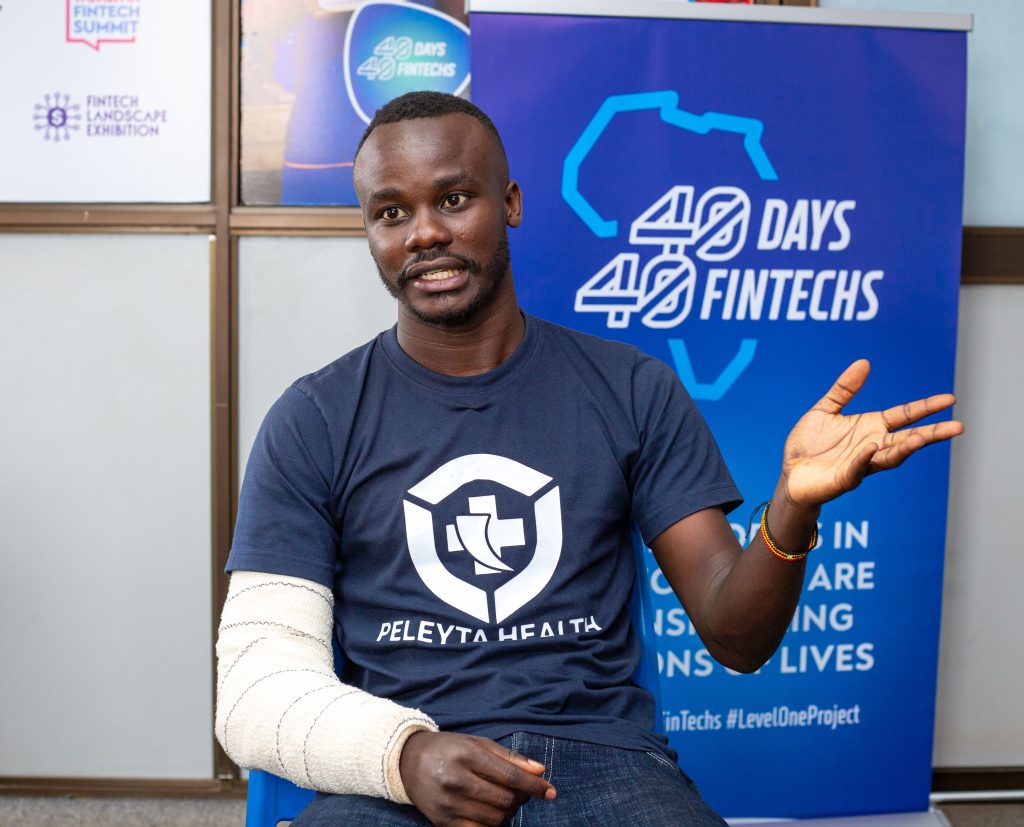
Tawaza Diva is helping over 1,000 women and youth access digital loans

Our Reporter.

Many Ugandans are full of business ideas but their biggest bottleneck is the lack of capital and inability to access credit. For a financial institution to give your business a loan, they will ask for a trading license, national ID, bank statement, tax report among others.

They therefore get stuck in the informal sector where growth and expansion is very limited.

This is one of the reasons why Tawaza Diva was formed, to, first, provide affordable finance to women and youths in the rural and informal sector but also to transition them into the formal sector.

According to Winfred Nandawula, the TAWAZA Program Director, Tawaza Diva is a product of Tawaza Initiative, a development solutions hub established in 2018 currently operating as a non-deposit-taking financial institution. Tawaza has so far changed lives of more than 1000 women and youth in the rural and informal sector by giving them micro loans.

Nandawula says her passion for financial inclusion dates back to 2012 when she harbored the idea of teaching women some financial literacy, especially how to save for the future.

“The idea didn’t pick up at all,” she says, noting that she realized that the problem was actually bigger than financial literacy; it was financial inclusion

“As women, the social-cultural norms do not allow us to step out there and access finance because we need collateral, guarantors and sometimes banks would ask us to have our husbands sign for us…so, access to finance was difficult. We realized the actual problem was the limited penetration of banks. There were no branches in rural areas. That is when mobile money started and we were excited. We said this will increase financial inclusion.”

But although mobile money significantly improved financial inclusion, people took time to accept it, especially in the villages.

“They were skeptical about storing their money on the phone…what if it gets lost? That is why they chose to keep money at home or in kiosks and they end up losing it all in case of a fire outbreak or break-in. So, we had to teach people about technology and how these platforms work, safely.”

Since inception in 2018, Nandawula says Tawaza has picked pace, especially after the Covid-19 pandemic. The platform now boasts 86 individual borrowers and more than 600 people clustered in women and youth groups.

She, however, acknowledges the challenge that borrowers are finding it difficult to repay the loans, due to the bad business environment posed by the post-Covid effects.

“Our target now is to onboard these women and youths from the informal sector into the formal sector. This will help us access bigger credit/stimulus from partner banks or even Uganda Development Bank,” she says.

“There is not much that can be done if we don’t get women and youth into the formal sector…So, we are trying to formalize them without creating much tax burdens and other requirements.”

Meanwhile, Nandawula appreciates #40Days40FinTechs initiative for being an advocate for the adoption of financial technology because there is an urgent need to demystify the bad attitude towards Financial Technology. She, however, wants better laws that protect both the customers and providers of digital financial services.

40-Days 40-FinTechs

Tawaza is the 14th participant in Season Three of the #40Days40FinTechs initiative that seeks to shine a light on the unique stories about innovations that are enabling ever more people to join the digital economy space.

The initiative is run under HiPipo in partnership with the Level One Project, Mojaloop, ModusBox, and Crosslake Technologies with support from the Gates Foundation.

According to HiPipo CEO Innocent Kawooya, Tawaza’s focus to bail out women and youths is core to HiPipo’s Include Everyone program.

 “Women and young people are the drivers of the next generation. We must do everything possible to fully include them in the digital financial value chain,” he said.

He further called on digital innovators and FinTechs around East Africa to embrace 40 Days 40 FinTechs as Season three covers physical destinations in Uganda, Kenya, Tanzania, Burundi and Rwanda.

Kawooya added that this year’s edition will cement achievements of the previous editions – where over 60 FinTechs have been transformed – but also build on them to leverage digital financial inclusion in East Africa and beyond.

The #40Days40FinTechs platform is run under HiPipo’s broader Include Everyone program that also encompasses other initiatives such as FinTech Landscape Exhibition, Women in FinTech Hackathon, Summit & Incubator and the Digital and Financial Inclusion Summit and Digital Impact Awards Africa.

The platform offers participants useful tools and an introduction to the industry’s emerging technologies, such as Mojaloop Open Source Software, and guidance from Level One Project foundational material. The skills gained from this initiative cover Level One Project Principles, Instant and Inclusive Payment Systems (IIPS), Inclusive Finance and FinTech in general.

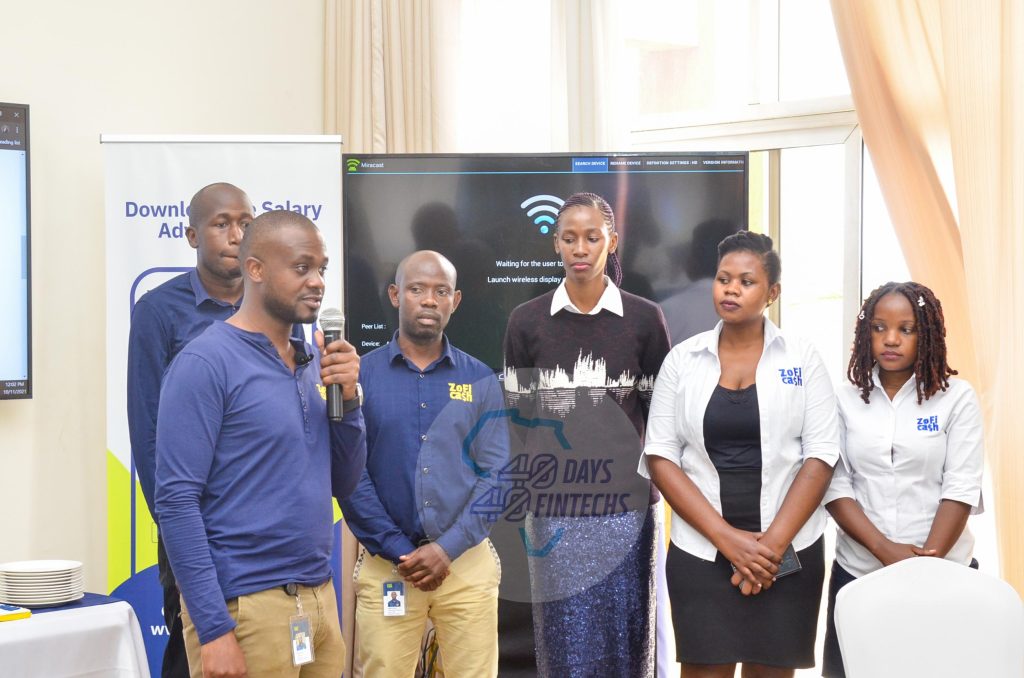
Zofi Cash is using FinTech to help Employees Access Salary Advances within minutes

Our Reporter.

Almost everyone has ever received a phone call or text with the person on the other side saying that s/he has an emergency and urgently needs financial assistance.

Such communication takes a lot of guts, and somewhat courage on the side of the requester because reaching out for help is never a guarantee that you will get that help. And usually, when you get a negative response, it is followed by personal embarrassment. 

Because emergencies happen daily, employees are always asking for short-term loans and salary advances. Unfortunately, most of these take days before they are processed thus defeating the reasoning behind asking for them, while others are never acted on at all.

Having gone through such predicaments in the past, Paul Kirungi wouldn’t wish to see others go through the same. As such, together with a team of young innovators, he developed Zofi Cash, a digital financial platform that takes care of employees’ financial emergencies before payday.

“We know very well that across Africa, most people are paid once a month. The challenge is emergencies happen every day and most of the time, those emergencies cannot wait for that payday to come at the end of the month. People always need to access financial services that can help them bridge the emergencies – payday gap. So, basically that is the gap we are filling today with Zofi Cash,” Kirungi, the founder and CEO of Zofi Cash, explains the motivation behind this platform.

He adds: “We started working on Zofi Cash in 2019 and then COVID-19 hit. We continued to work on the platform until October 2021 when we launched our maiden product. Since then, we have been serving and people love our services because of our fast turnaround time. People are able to access salary advances in about two minutes.”

Zofi Cash offers salary advances at a very low-interest rate based on the number of days one holds his/her loan before their payday.

“Banks and other financial players are not an option during emergencies as they are stuck in the old ways of requiring security, banking history, and lots of paperwork. Honestly, very few people can pass this sieve. Having experienced this firsthand, we thought to ourselves, what if we made every day a payday? Access to earned wages without waiting for the month’s end to take care of those emergencies that can’t wait for the end of the month. With Zofi Cash, in just two minutes, a salaried employee can access a salary advance. We do this by partnering with employers who extend this service to their employees as a benefit,” Kirungi elaborates.

Zofi Cash is the 13th participant in the 2022 40 Days 40 FinTechs initiative organized by HiPipo in partnership with Level One Project, Mojaloop, ModusBox, and Crosslake Technologies and generously supported by the Gates Foundation.

Now in its third edition, the 40 Days 40 FinTechs initiative offers participants useful tools and an introduction to the industry’s emerging technologies, such as Mojaloop Open Source Software, and guidance from Level One Project foundational material. The skills gained from this initiative cover Level One Project Principles, Instant and Inclusive Payment Systems (IIPS), Inclusive Finance and FinTech in general.

According to Kirungi, Level One Project principles such as Same-Day settlement, Real-Time payments and Accessibility on Low-End Devices are non-negotiable at Zofi Cash because they are best practices for Financial Inclusion.

“We are already working on USSD-enabled lending for employees in rural areas that need access to our services on low-end devices and feature phones. We are gathering data that will continue to guide us on how to effectively build robust financial systems and one of such systems will be USSD based.”

Innocent Kawooya, the HiPipo CEO applauds Zofi Cash for using technology to innovate a solution that touches on real day-to-day problems that affect thousands of employees in East Africa and beyond.

“I thank Zofi Cash for coming up with a solution that has the capacity to transform Africa’s Salary and Wages payment system. As HiPipo, our extensive effort and advocacy is partly for the intention of championing digital innovation and interoperable instant and inclusive payment systems (IIPS) in Africa to a point where our innovators enjoy and achieve sound profit margins to help them keep designing and deploying affordable and inclusive financial services for the poor,” he said.

Merchandise Uganda is offering an online market with free stalls

Our Reporter.

Anyone doing business in Uganda will tell you that paying rent is one of their biggest nightmares. Whether you have made profits or not; whether you have spent the month sick or away attending to a patient, or whether you were in a Covid-19 lockdown; the landlord will always want their rent paid in full and on time!    

Failure to pay rent has actually been identified as one of the biggest reasons for the high turnover of businesses, especially in city arcades and malls.

It is against this background that Merchandise Uganda – an online marketplace – was formed.

Nurudin Busingye, the Merchandise Uganda General Manager says prevailing trends call for cheaper ways of doing business, and nothing beats online trading in cost-effectiveness.

“We realized that there is a lot of inequality in business where people don’t have money to rent at strategic locations. So, we said you can have your stock at home or you can import products and put them in a warehouse and open up an online shop on Merchandise Uganda to showcase your products to both local and international markets,” Busingye said.

On top of this, there is an estimated 20 million Ugandans who don’t have access to markets yet they have products to sell. And the rest of the population is looking for those products.

“So, at Merchandise Uganda, we developed this system to ensure that sellers have access to buyers and vice versa with just the use of their phones or computers,” he adds, noting that the main focus is on women SMEs.

“We see ourselves as a revolutionary company transforming traditional trade to global trade. People now work from home and have adopted technology; our goal is to ensure that Ugandan products are known not only to the local market but also the global market.”

HOW IT WORKS

When you have a business or products to sell, you just visit www.merchandiseuganda.com and open up a shop. A seller/trader is required to provide their name or business name, location, contact details, good photos of products and videos of how the products work (if need be).

When someone wants a product, they go to the website or download the Merchandise Uganda app and search for the product they want. Then people with such a product will be listed and the client can contact them directly.

“We have a partnership with delivery companies. All our suppliers are assigned to these logistics companies. So, when the client makes an order, the delivery company is notified to pick the product and deliver it,” he says, noting that clients use mobile money and banks to make payments.

“We are working on creating e-wallets to create a complete eco system…”

Started in 2019, Busingye says the Covid-19 pandemic saw a huge rise in the number of users with numbers jumping from less than 200 to more than 600 in just one year and more than 10 million product views.

“This is a good number. Remember these people don’t go to Merchandise Uganda to chat; they go there to do business,” he says.

Going International.

Merchandise Uganda is the 12th participant in this year’s 40 Day 40 Fintechs initiative by HiPipo.

Now in its third edition, the 40 Days 40 FinTechs initiative offers participants useful tools and an introduction to the industry’s emerging technologies, such as Mojaloop Open Source Software, and guidance from Level One Project foundational material. The skills gained from this initiative cover Level One Project Principles, Instant and Inclusive Payment Systems (IIPS), Inclusive Finance and FinTech in general.

Busingye is full of praise for the 40 Day 40 Fintechs initiative for having given them free publicity in last year’s edition which is already paying dividends.

“We recently had a partnership with a European company which wants to do business with Ugandan suppliers. We also got contacts in South Africa who want us to open a branch that side. All this was a result of the 40 Days 40 Fintechs 2021 edition,” he says.

And for Innocent Kawooya, the CEO HiPipo, this revelation is testament to their mission of connecting the global markets.

“The beauty about the digital market is that it has no barriers, and no borders. Merchandise Uganda’s story gives us the satisfaction our goal of Including Everyone is taking shape,” he said.

Busingye however calls for more sensitization of Ugandans about the use of technology and digital tools.

He adds that they introduced a program to support women get online shops for free.

“We are conducting trainings for women. We have over 65% women-led businesses on our platform. Our aim is not to make money, but to support the communities, especially women,” he says.

Meanwhile, Kawooya says Digital Innovators and FinTechs around East Africa should be more eager to embrace 40 Days 40 FinTechs as Season three covers physical destinations in Uganda, Kenya, Tanzania, Burundi and Rwanda.

He added that this year’s edition seeks to cement achievements of the previous editions – such as Merchandise Uganda – but also build on them to leverage digital financial inclusion in East Africa and beyond.

“As HiPipo, our extensive effort and advocacy is partly for the intention of championing digital innovation and interoperable instant and inclusive payment systems (IIPS) in Africa to a point where our innovators enjoy and achieve sound profit margins to help them keep designing and deploying affordable and inclusive financial services for the poor,” he said.

PayLater; Uganda’s Online Shop That Allows Installments

Our Reporter.

Many young corporates harbor dreams that would satisfy their heart’s desires. They would like to have nice cars, trendy phones, beautiful TV sets, durable furniture, name it! But their meager salaries are only enough for the daily essential needs. So, they keep dreaming!

However, PayLater Uganda has come to make these dreams a reality by introducing an online buy-now pay-later model of property acquisition.

Started in 2021, this e-commerce platform has made it easy for Ugandans to purchase commodities ranging from electronics to kitchen appliances to smartphones to furniture, car tyres to beauty products at their own pace and convenience.

“It is a fact that most Ugandans cannot afford to buy genuine commodities in one go. So, we introduced this digital lease-to-own platform where they can pay in installments and acquire the property of their dreams,” says Aaron Kasozi, the PayLater CEO.

Convenient

Kasozi says that they have about 15 approved suppliers of genuine branded products. So, if someone wants a product, they just visit www.paylaterug.com  where all product categories are listed.

The customer just needs to create an account, generate password and then apply for a product of their choice. Then the system picks customer details such as employment, how much they earn, next of kin, residential address, among others.

“Once the application is received, we have to vet the customer through the Know-Your-Customer system where they are asked for a copy of national ID, bank statement and other documented income sources and work ID. If a customer passes the credit rating process, then we can go to the next step,” he says.

Once vetting is done, the customer is contacted and written to formally to tell them that they qualify for a product or not.

“If they qualify, we sign a contract with the client and we engage the supplier and the customer pays the initial deposit. We break down the value of the product into six equal installments to ensure that the client pays up within six months,” Kasozi says, noting that only digital payments are accepted through FlexiPay, Visa, Mastercard and mobile money. They don’t accept cash at all.

Kasozi further explains that they work within a 30% rating whereby if someone earns Shs 1m per month, they should only qualify for a product where they will need to make monthly remittances of Shs 300,000.

To reduce risks, Kasozi says they work hand-in-hand with the credit reference bureau but also mainly focus on people in employment where due diligence can easily be done.

So far, more than 300 people have been able to own different products through this platform.

“It is very promising. We have had over 190,000 website hits and every month we get over 800 applications. Unfortunately, most of them do not qualify,” he said, before complimenting the 40Days40FinTechs initiative for extending a helping hand to startups that normally do not have the resources for marketing, customer education and awareness.

40-Days 40-FinTechs

PayLater is the 11th participant in Season Three of the #40Days40FinTechs initiative that seeks to shine a light on the unique stories about innovations that are enabling ever more people to join the digital economy space.

The initiative is run by HiPipo in partnership with the Level One Project, Mojaloop, ModusBox, and Crosslake Technologies with support from the Gates Foundation.

According to the HiPipo CEO Innocent Kawooya, initiatives such as PayLater are testament to the rising cases of adoption of online trading and other digital financial services.

“PayLater is a well-thought-out initiative because it touches the nerve of many young people. Many people are looking out for genuine products that they can acquire conveniently and PayLater provides just that,” Kawooya said.

He further called on digital innovators and FinTechs around East Africa to embrace 40 Days 40 FinTechs as Season three covers physical destinations in Uganda, Kenya, Tanzania, Burundi and Rwanda.

Kawooya, further noted that this year’s edition is cementing achievements of the previous editions – where over 60 FinTechs have been transformed – but also building on this success to leverage digital financial inclusion in East Africa and beyond.

“As HiPipo, our extensive effort and advocacy is partly for the intention of championing digital innovation and interoperable instant and inclusive payment systems (IIPS) in Africa to a point where our innovators enjoy and achieve sound profit margins to help them keep designing and deploying affordable and inclusive financial services for the poor,” Kawooya said.

He added: “It is exciting to see what the participants have to offer. And again, various stakeholders are on hand for more discussion and debate, with this time round extra insight from the likes of banks and MNOs. We are already having extensive discussions on Instant and Inclusive Payment systems, Central Bank Digital Currencies(CBDC), advancing convenience for users, cross-border payments and on micro-lending products (especially those offering facilities to persons and communities that are still on the bylines of finance and trade for example; women, PWDs and other SIGs),”

The #40Days40FinTechs platform is run under HiPipo’s Include Everyone program that also encompasses other initiatives such as FinTech Landscape Exhibition, Women in FinTech Hackathon, Summit & Incubator and the Digital and Financial Inclusion Summit and Digital Impact Awards Africa.

The platform aptly provides a setting for the various players and stakeholders involved in digital and financial technology to exhibit their products & Services and also share their ideas on how more of us, especially those unserved and underserved by the present financial systems, can be brought into the fold. It also offers participants useful tools and an introduction to the industry’s emerging technologies, such as Mojaloop Open Source Software, and guidance from Level One Project foundational material. The skills gained from this initiative cover Level One Project Principles, Instant and Inclusive Payment Systems (IIPS), Inclusive Finance and FinTech in general.

Her Duuka is helping over 500 women businesses survive Covid-19 hangover

Our Reporter.

The past two years of the Covid-19 pandemic literally placed everyone in their right place – for both good and bad reasons. On the bad side; businesses closed, people lost jobs, families were broken, education stagnated and the economy crumbled.

Like they say, in every challenge, there is always an opportunity. The pandemic, especially the lockdown, sharpened people’s minds to pave way for creativity, innovation and enterprise. Such terms as ‘working from home’, ‘new normal’ and ‘online trade’ became common and are now being put to good use.

For example, it was during the lockdown that Felix Balitumye realized the need to digitally empower women entrepreneurs whose businesses were on the rocks. Together with his team at Computing Palace Technologies, Balitumye created a digital e-commerce platform and named it Her Duuka where women would register their businesses and connect to customers digitally.

“The 2020 lockdown mostly affected women because they dominate the small retail businesses. We realized that there is need to empower them to stay afloat. Many had closed shops and their stock was just wasting away,” says Balitumye.

On the other hand, he says, people were all stuck at home but in great need of supplies, thus the need to connect suppliers to consumers. Her Duuka is a convenient online platform where one just needs to visit www.herduuka.com and register their business with specific product details, prices, location and contacts. Supplies range from home appliances, beauty, machinery, beverages, to foods and furniture.

“Our role is to register suppliers. All things on Her Duuka are owned by different people with independent businesses. If a person wants to buy, they go straight to Her Duuka and tap on the product and they are prompted to put details of where they want it delivered, payment mode, etc, and submit,” he says, noting that clients can pay using mobile money, cash on delivery or bank transfers.

Balitumye says this digital product has been a revelation to many women who had lost hope following the 2020 lockdown. To date, more than 500 businesses have registered on Her Duuka.

Because most women entreprenuers are either illiterate or semi-literate, Balitumye says that all entrants are taken through digital literacy trainings to ensure that they can ably use the platform.

“We then create a portal for every supplier which helps them manage daily transactions to track income and expenditure. In other words, it has an inbuilt financial management platform to help empower women in financial inclusion,” he says.

While they primarily enroll people with conventional businesses, Balitumye says they are now looking into incorporating people without physical shops or workshops. For instance, there are some students in hostels and even housewives who would want to register and sell their merchandise and make money.

“Even men are asking to join the platform but, for now, we want to maintain the brand, making sure that women are taking the front lead,” Balitumye says.

There is no business without challenges. Balitumye says they still face resistance from some people with a negative attitude towards e-commerce platforms because some have been previously duped by scammers.

“The other problem is financial empowerment… these businesses take long to make profits. So, you have to keep investing. It needs a lot of resilience…and massive investment,” he said before applauding the 40 Days 40 FinTechs initiative for the massive awareness and advocacy for FinTechs.

40-Days 40-FinTechs.

Her Duuka is the tenth participant in the 2022 40-Days 40-Fintechs initiative.

Now in its third edition, #40Days40FinTechs has quickly grown into one of the world’s premier showcase events for the innovations that are enabling ever more people to join the digital economy space. That is surely going to remain the case, in large part due to the inspiration and collaboration that our partners Level One Project, Mojaloop, ModusBox, and Crosslake Technologies generate, but mostly because of the continuing generous support of the Gates Foundation.

Digital Innovators and FinTechs around East Africa should be more eager to embrace 40 Days 40 FinTechs as Season three covers physical destinations in Uganda, Kenya, Tanzania, Burundi and Rwanda.

Run under HiPipo’s Include Everyone program that also encompasses other initiatives such as FinTech Landscape Exhibition, Women in FinTech Hackathon, Summit & Incubator and the Digital and Financial Inclusion Summit and Digital Impact Awards Africa; the #40Days40FinTechs platform aptly provides a setting for the various players and stakeholders involved in digital and financial technology to exhibit their products & Services and also share their ideas on how more of us, especially those unserved and underserved by the present financial systems, can be brought into the fold.

The 40 Days 40 FinTechs initiative offers participants useful tools and an introduction to the industry’s emerging technologies, such as Mojaloop Open Source Software, and guidance from Level One Project foundational material. The skills gained from this initiative cover Level One Project Principles, Instant and Inclusive Payment Systems (IIPS), Inclusive Finance and FinTech in general.

According to HiPipo CEO Innocent Kawooya, this year’s edition will cement achievements of the previous editions – where over 60 FinTechs have been transformed – but also build on them to leverage digital financial inclusion in East Africa and beyond. “As HiPipo, our extensive effort and advocacy is partly for the intention of championing digital innovation and interoperable instant and inclusive payment systems (IIPS) in Africa to a point where our innovators enjoy and achieve sound profit margins to help them keep designing and deploying affordable and inclusive financial services for the poor,” Kawooya said.

JUMO World is extending digital loans to more than 2.5 million Ugandans

Our Reporter.

With the worsening economic situation in the country, on top of the effects of the Covid-19 pandemic, most Ugandans have resorted to seeking short-term loans from friends and family to make ends meet.

But this is an unsustainable scenario because even those friends are struggling too, trying hard to survive with the little they have.

And that is where JUMO World comes in, to facilitate digital quick loans and mitigate the financial burden one would impose on their immediate circle.

Since 2017, JUMO World has been acting as an integrator for Uganda’s top telecoms Airtel and MTN to provide soft loans and saving platforms for Ugandans. To date, more than 2.6 million subscribers have benefitted from Airtel Uganda’s Wewole and MTN’s MoSente platforms.

On the 9th Day of the 2022 40 Days 40 FinTechs initiative, Season 3, we speak to Wilfred Wabwire, the JUMO World Country Manager for Uganda. Below is what he has to say.

QN: What is JUMO and what do you do?

ANS: JUMO is the market-leading banking as a service platform, enabling real-time access to funds at the lowest possible operating cost. Integrating into JUMO’s platform enables our partners to offer loans, savings and a wide range of financial choices to a new group of customers.

QN: How is your Wewole Product in partnership with Airtel Money performing? How did COVID-19 affect it?

ANS: JUMO has been offering Wewole loans in partnership with Airtel Uganda since 2017. The product is available on Airtel Money by dialing *185#, select option 8 for Wewole and follow the prompts. Covid-19 impacted people’s lives in ways previously unimagined. In response to the pandemic, JUMO World Uganda, implemented several initiatives to minimize the impact of covid-19 on borrowers including waiving the late payment fee given the situation at that time.

In terms of performance, Wewole Loan product has been used by over 2.5 million unique customers since its inception. This year to date, we have disbursed loans worth UGX 32 billion.  In April 2022, we opened-up the Wewole product to new eligible Airtel money customers.  Customers can borrow between as UGX 3,000 – UGX 1,000,00 and Customers with good repayment behavior gradually qualify for incrementally larger amounts.

QN: You recently launched MoSente with MTN Mobile Money. Congratulations! Tell us more about MoSente. What it is, how it works and everything else your clients ought to know.

ANS: MoSente is a convenient way for MTN MoMo customers to access credit services. Customers can borrow from as low as UGX 3, 000 and can chose either 14 days or 30 days to repay back the loan depending on their preferred loan term. To access Mosente loans, a customer simply dials *165*5*5# and follow the prompts. Money is instantly deposited in the customers MoMo wallet. To qualify for higher loan amounts, customers need to repay their MoSente loans on time, every time and keep using MTN MoMo account.

QN: What has been the impact of your credit products to the people of Uganda since you launched? How much cumulative credit have you given out on both Wewole and MoSente? How many borrowers are on both platforms? Etc.

ANS: JUMO World Uganda has collectively served about 2.65 million unique customers on both MoSente and Wewole since inception. This year to date, we have disbursed loans worth UGX 55 billion. A borrower shared with us that he “no longer looks for someone to borrow money from because they are using our service”. Another one said that he ‘used the first JUMO loan to pay school fees; he used the next loan for farming, and harvested much which helped him greatly to improve his house hold income”. These are some of the examples of the real positive impact our loans are having on the people of Uganda.

QN: What is JUMO doing to enhance Women Financial Inclusion? How are you supporting start-ups and informal businesses?

ANS: One third of JUMO borrowers are Women.  For every ten borrowers on the JUMO Platform, six are MSMEs. One of our female borrowers, shared with us that “her life had improved with JUMO loans, by harvesting more on her farm and being able to pay her workers.”

Eligible Customers who are either starting up or in informal businesses can access MoSente Loan on MTN MoMo menu or Wewole loan on Airtel Money Menu. Customers simply need to frequently use their Mobile money wallets and register for the services.

JUMO through our Wewole Agent loan also offers access to unsecured Credit facilities to Airtel Money Agents to enable them to manage their float and serve their customers. Agents can borrow between UGX 10,000 and UGX 1, 600, 000 and repay back in 30 days.

QN: As a big player in FINTECH, is JUMO implementing Level One Project Principles such as Tiered KYC, Accessibility on Low-Quality Devices, Same Day Settlement and Real-Time Payments?

ANS: JUMO loans can be accessed on any type of mobile phone including feature phones and on qualifying and applying for a loan, customers get the funds instantly. Similarly, when a customer settles their loan, the transaction is processed in real-time 24/7 and the loan is cleared there and then.

QN: In your opinion, what is the state of Uganda’s FinTech industry?

ANS: The number of Fintechs in Uganda has been steadily growing from a handful to approximately 70 to-date. Events such as 40Days40FinTechs and Fintech conferences have enabled FinTechs to be seen and heard. Regulatory developments such as the National Payments Systems Act, Data Protection Act amongst others have further helped to streamline and formalize the industry. However, there is still opportunity to attract more funding, customer advocacy, and diversifying into more sectors including RegTech, Buy now Pay later, Savings and Budgeting solutions.

QN: Knowing the issues facing the FINTECH Industry, what role does the 40 Days 40 FinTechs initiative play in shaping the industry?

ANS: The 40Days40FinTechs initiate has given Fintechs a platform to showcase how their solutions are transforming livelihoods as well as the contribution of FinTech towards economic development. 40Days40Fintechs is also creating the much-needed awareness in the industry and ultimately driving usage/utilization of the innovations by the end-users as well as attracting funding/investment in the FinTech space.

40-Days 40-FinTechs

Now in its third edition, #40Days40FinTechs has quickly grown into one of the world’s premier showcase events for the innovations that are enabling ever more people to join the digital economy space.

That is surely going to remain the case, in large part due to the inspiration and collaboration that our partners Level One Project, Mojaloop, ModusBox, and Crosslake Technologies generate, but mostly because of the continuing generous support of the Gates Foundation.

Digital Innovators and FinTechs around East Africa should be more eager to embrace 40 Days 40 FinTechs as Season three covers physical destinations in Uganda, Kenya, Tanzania, Burundi and Rwanda.

Run under HiPipo’s Include Everyone program that also encompasses other initiatives such as FinTech Landscape Exhibition, Women in FinTech Hackathon, Summit & Incubator and the Digital and Financial Inclusion Summit and Digital Impact Awards Africa; the #40Days40FinTechs platform aptly provides a setting for the various players and stakeholders involved in digital and financial technology to exhibit their products & Services and also share their ideas on how more of us, especially those unserved and underserved by the present financial systems, can be brought into the fold.

The 40 Days 40 FinTechs initiative offers participants useful tools and an introduction to the industry’s emerging technologies, such as Mojaloop Open Source Software, and guidance from Level One Project foundational material. The skills gained from this initiative cover Level One Project Principles, Instant and Inclusive Payment Systems (IIPS), Inclusive Finance and FinTech in general.

HiPipo CEO Innocent Kawooya appreciated Jumo as one of the top FinTechs in the country changing millions of lives.

“It is very promising to hear that Jumo has disbursed over Shs 50bn in soft loans to both individuals and businesses. It shows an improving trend of use of digital financial services in the country,” he said.

Kawooya added that this year’s edition will cement the achievements of the previous editions – where over 60 FinTechs have been transformed – but also build on them to leverage digital financial inclusion in East Africa and beyond. “As HiPipo, our extensive effort and advocacy is partly for the intention of championing digital innovation and interoperable instant and inclusive payment systems (IIPS) in Africa to a point where our innovators enjoy and achieve sound profit margins to help them keep designing and deploying affordable and inclusive financial services for the poor,” he said.

Belle Beauty is using FinTech to help Ugandan beauticians 

Our Reporter.

When Uganda was put into a total lockdown in March 2020 due to the outbreak of Covid-19, my stylist’s hair salon came to a grand halt. She was forced to close business six months later because she could not afford to pay the rent arrears demanded by her landlord despite the fact that the salon was not operating for that entire period.

But my hair stylist’s predicament would soon become a blessing in disguise as I came up with a digital solution that would save her and many more. Belle Beauty Uganda is the first digital platform that connects beauty service providers to clients.

According to Alice Sharon Namugerwa, Belle Beauty’s founder and team lead, this platform acts like a middle-man that connects clients to service providers in the beauty industry.

“We realized that if you do hair styling, nails, make-up and are sure of what you do, you just need a platform that connects you to customers, just like Uber connects drivers and passengers,” she says.

“When I talked to Namale (my hair stylist), I realized that she was not alone. There are many people like her who are single mothers trying to fend for their children but their businesses were affected by Covid-19. How were they surviving? So, I wanted to come up with a solution that could give women in the informal sector a place where they could work. ”

She adds that this application is therefore, women-centric, with the view that women are actually the backbone of the economy without noticing that they are.

To get services, one just needs to download the application or visit the Belle Beauty website and make orders.

On the side of service providers, Namugerwa notes that they first conduct due diligence on all applicants before onboarding them.

“They are required to provide certain documents and they sign contracts and we train them. We do not set prices for service providers….we just provide a rating system,” she says.

HOW IT WORKS

After downloading the application, the customer can make an order and the app will show the service providers that are in close proximity. The client makes a choice and pays using mobile money.

“The order always has specifics of what the client wants and where they want it to be done. If the customer wants the service urgently and the selected provider cannot meet the timelines, we are able to go in the system and reallocate the deal to another available provider. The client has to get the service at the time they want,” Namugerwa says.

After a service is completed, then the service provider is paid electronically by Belle Beauty in less than 24 hours. Namugerwa adds that they are now planning on creating a beauty hub where all service providers who do not have physical salons/workstations can converge and work.

“We will give them a chance where you don’t have to have a saloon. You just come with your client, as long as they have booked through Belle
Beauty and work on them from there. This will eliminate the extra cost of running a business on their part as women,” she says.

They also plan on helping women come up with saving schemes and investment plans.

Namugerwa appreciates the chance offered by the 40 days 40
FinTechs initiative to showcase tech startups because such opportunities offer visibility and exposure.

“If you are a startup, everything costs money. So, we appreciate HiPipo for giving us a chance to showcase our product for free… It also highlights the ecosystem of the FinTech space. You get to learn from other FinTechs and E-Commerce players and what they are offering,” she says.

Belle Beauty is the 8th participant in the 2022 40 Days 40 FinTechs initiative.

Now in its third edition, #40Days40FinTechs has quickly grown into one of the world’s premier showcase events for the innovations that are enabling ever more people to join the digital economy space. That is surely going to remain the case, in large part due to the inspiration and collaboration that our partners Level One Project, Mojaloop, ModusBox, and Crosslake Technologies generate, but mostly because of the continuing generous support of the Gates Foundation.

Digital Innovators and FinTechs around East Africa should be more eager to embrace 40 Days 40 FinTechs as Season three covers physical destinations in Uganda, Kenya, Tanzania, Burundi and Rwanda.

Run under HiPipo’s Include Everyone program that also encompasses other initiatives such as FinTech Landscape Exhibition, Women in FinTech Hackathon, Summit & Incubator and the Digital and Financial Inclusion Summit and Digital Impact Awards Africa; the #40Days40FinTechs platform aptly provides a setting for the various players and stakeholders involved in digital and financial technology to exhibit their products & Services and also share their ideas on how more of us, especially those unserved and underserved by the present financial systems, can be brought into the fold.

The 40 Days 40 FinTechs initiative offers participants useful tools and an introduction to the industry’s emerging technologies, such as Mojaloop Open Source Software, and guidance from Level One Project foundational material. The skills gained from this initiative cover Level One Project Principles, Instant and Inclusive Payment Systems (IIPS), Inclusive Finance and FinTech in general.
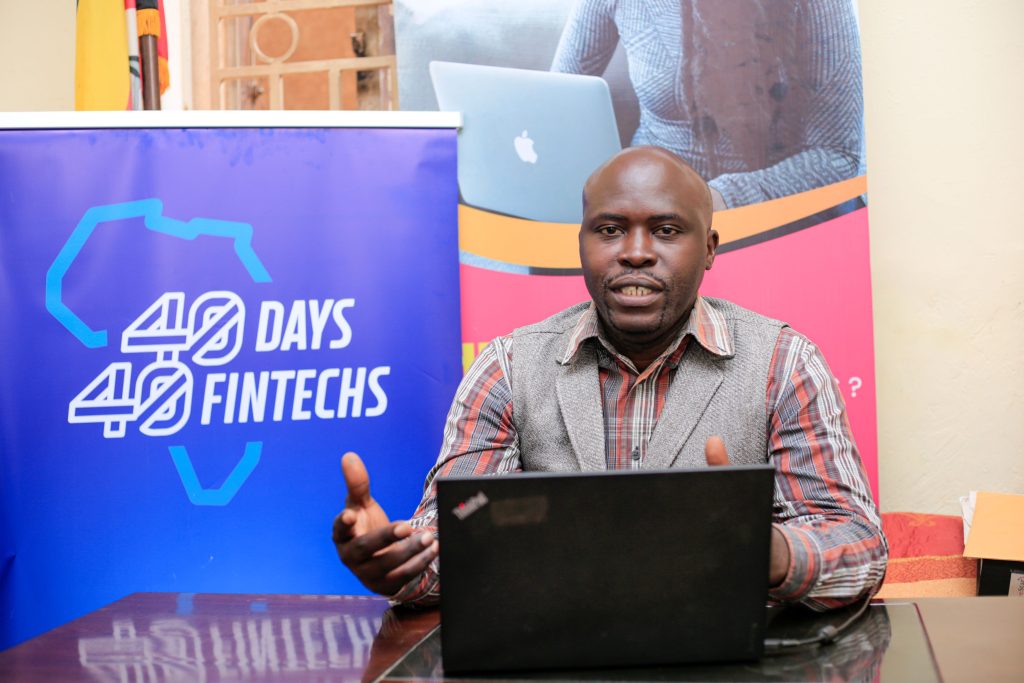
According to HiPipo CEO Innocent Kawooya, this year’s edition will cement achievements of the previous editions – where over 60 FinTechs have been transformed – but also build on them to leverage digital financial inclusion in East Africa and beyond. “As HiPipo, our extensive effort and advocacy is partly for the intention of championing digital innovation and interoperable instant and inclusive payment systems (IIPS) in Africa to a point where our innovators enjoy and achieve sound profit margins to help them keep designing and deploying affordable and inclusive financial services for the poor,” Kawooya said.

Silicon Pay using FinTech to ease payments

By Our writer  

Away from its negative consequences, the COVID-19 pandemic was an eye-opener to individuals and businesses. It brought the role and overall importance of digital financial services (DFS) at the forefront.

Further, the pandemic opened opportunities for Financial Technology companies (FinTechs) to come up with innovative solutions that have since transformed the way people make and receive payments.

Among FinTechs benefiting from this wave is Silicon Savannah Limited, a technology company whose Silicon Pay solution is easing payments for several businesses.

According to the Silicon Pay Chief Executive Officer, Patrick Settuba, the firm offers a fully integrated suite of payments products including collections, bulk payments, utilities, and bank transfers through its Application Programming Interface (API). For about three years in business, the company has over 900 retained clients and 15,000 active merchants and users. This includes about 30 percent women users. Silicon Pay is also supporting about 500 women SACCOs on matters collections and pay outs.

 “COVID-19 affected businesses but it paved way for the growth of digital payments as businesses moved online because they could not do physical meet-ups and collections. More people got to know about the online services that we offer and they tried them out,” he says.

To stay on top of their game, Settuba says Silicon Pay integrated new products and services to meet its clients’ evolving financial needs. For instance, it integrated mobile wallets to cater for customers who receive money in different currencies.

It also forged partnerships with key service providers such as e-commerce platforms, to provide more services to its clients.

To make it easy for businesses to onboard, Settuba says that the company uses the tiered Know-Your-Customer (KYC) principle, which also helps them guard against fraud.

“To understand who we are dealing with, we incorporated KYC standards to better understand the customer we are dealing with. We thus take extra steps by asking them to prove their identity, nature of the business to make sure the source of a customer’s funds is legitimate,” Settuba notes.

He adds that their system enables users to monitor their funds on their dashboard in real-time and can withdraw through mobile money instantly whenever they need it.

Additionally, the platform enables users to transfer funds instantly to their preferred bank accounts on request and receive the funds in a few hours depending on the time the request is made.

40-Days 40-FinTechs

Silicon Pay is among the firms taking part in the 2022 40-Days 40-Fintechs initiative and has been featured on Day 7.

Now in its third edition, #40Days40FinTechs has quickly grown into one of the world’s premier showcase events for the innovations that are enabling ever more people to join the digital economy space. That is surely going to remain the case, in large part due to the inspiration and collaboration that our partners Level One Project, Mojaloop, ModusBox, and Crosslake Technologies generate, but mostly because of the continuing generous support of the Gates Foundation.

Digital Innovators and FinTechs around East Africa should be more eager to embrace 40 Days 40 FinTechs as Season three covers physical destinations in Uganda, Kenya, Tanzania, Burundi and Rwanda.

Run under HiPipo’s Include Everyone program that also encompasses other initiatives such as FinTech Landscape Exhibition, Women in FinTech Hackathon, Summit & Incubator and the Digital and Financial Inclusion Summit and Digital Impact Awards Africa; the #40Days40FinTechs platform aptly provides a setting for the various players and stakeholders involved in digital and financial technology to exhibit their products & Services and also share their ideas on how more of us, especially those unserved and underserved by the present financial systems, can be brought into the fold.

The 40 Days 40 FinTechs initiative offers participants useful tools and an introduction to the industry’s emerging technologies, such as Mojaloop Open Source Software, and guidance from Level One Project foundational material. The skills gained from this initiative cover Level One Project Principles, Instant and Inclusive Payment Systems (IIPS), Inclusive Finance and FinTech in general.

According to HiPipo CEO Innocent Kawooya, this year’s edition will cement achievements of the previous editions – where over 60 FinTechs have been transformed – but also build on them to leverage digital financial inclusion in East Africa and beyond.

“As HiPipo, our extensive effort and advocacy is partly for the intention of championing digital innovation and interoperable instant and inclusive payment systems (IIPS) in Africa to a point where our innovators enjoy and achieve sound profit margins to help them keep designing and deploying affordable and inclusive financial services for the poor,” Kawooya said.

Ticteq is using FINTECH to reduce Tickets’ purchase hustle and commotion

Our Reporter.

For those that have attended events in Uganda, you are familiar with the hustle and bustle involved in buying entry tickets. This includes long queues, higher prices than originally advertised and fraudsters selling fake tickets among other issues.

But all this will soon be history; if event organizers and revelers can incorporate technology in the ticketing journey.

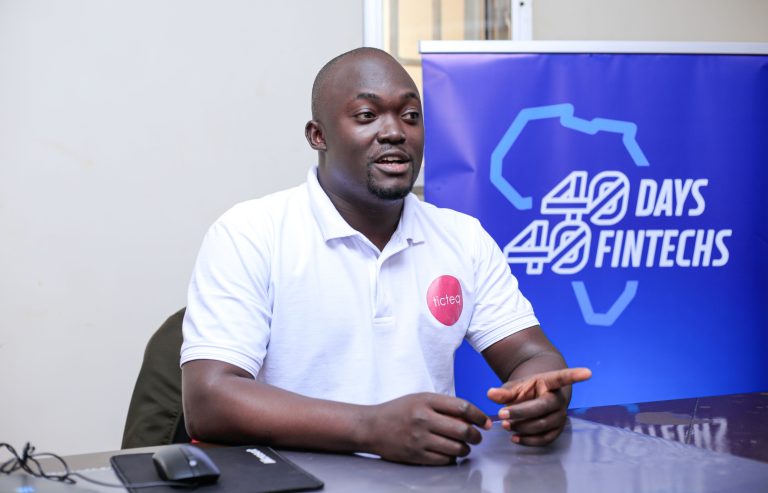
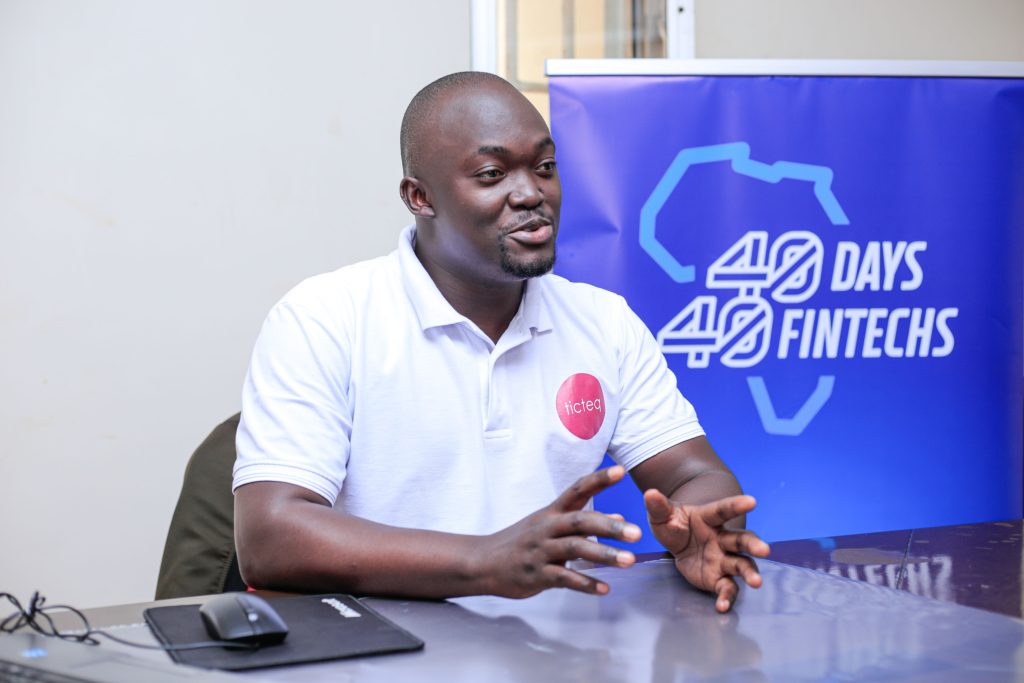
Already on the market is a solution that brings together event organizers and party-goers on a single online platform called Ticteq.

Ticteq is an online ticketing company that deals in events ticketing and crowd funding. So far, the platform has sold over ten thousand (10,000) tickets, has sixty thousand (60,000) subscribers and has digitally transacted in excess of sixty million shillings (UGX 60m).

According to George Katuramu, the Ticteq Director, the solution has allowed event organizers to shift from the slow, costly and inconveniencing manual process to a digital one that allows them to register and upload their events on the Ticteq platform for potential customers to purchase tickets.

Using the platform, event organisers can contact people who have bought tickets, and customers can also get refunds in case they are unable to attend.

“This is a complete solution for someone who wants to organize a successful event, without worrying about tickets, fake notes, coins or being cheated at the entrance,” Katuramu says, adding that one simply visits the Ticteq website to buy a ticket using either MTN Mobile Money, Airtel Money or a credit card. The money is automatically remitted to the event organizer’s mobile or bank account.

He further explains that even though the long COVID-19 lockdown set them back, the platform is fast picking up given that it gives events stakeholders a variety of advantages including safety and settling transactions in real time.

“We were affected by COVID-19 because all events were cancelled. But since we resumed events, we are picking up from where we had stopped. We have already had a few successful events and there is hope and growth.”

Away from ticketing, Ticteq is also offering a crowd-funding product that allows people to share their causes with the public, and raise funds to address their pressing needs.

The causes supported by this platform, according to Katuramu, can range from education to medical to social, among others.

“With our portal, you can always know who donated, the total number of people who donated and the total amount donated and you can withdraw the money to your mobile money account or a bank account at any time. When a person makes a donation, the benefactor automatically receives the money instantly at no cost,” he says.

Although the product would salvage many people who we usually see on social media platforms conversing for financial support, Katuramu notes that most Ugandans are yet to appreciate the power of crowd funding.

“Most Ugandans think that crowd funding is for people who need organ transplant or surgery which is not true; it is for everyone. You may need tuition to complete your education or need money to travel, you can raise it through crowd funding,” he says.

“Simply share your story, giving details of what you need to do and how you want to do it. The people who will like your story and get touched to contribute towards the cause; they will do so,” he explains.

Ticteq is the sixth participant of the 2022 40-Days 40-FinTechs initiative.

40-Days 40-FinTechs

Now in its third edition, #40Days40FinTechs has quickly grown into one of the world’s premier showcase events for the innovations that are enabling ever more people to join the digital economy space. That is surely going to remain the case, in large part due to the inspiration and collaboration that our partners Level One Project, Mojaloop, ModusBox, and Crosslake Technologies generate, but mostly because of the continuing generous support of the Gates Foundation.

Digital Innovators and FinTechs around East Africa should be more eager to embrace 40 Days 40 FinTechs as Season three covers physical destinations in Uganda, Kenya, Tanzania, Burundi and Rwanda.

Run under HiPipo’s Include Everyone program that also encompasses other initiatives such as FinTech Landscape Exhibition, Women in FinTech Hackathon, Summit & Incubator and the Digital and Financial Inclusion Summit and Digital Impact Awards Africa; the #40Days40FinTechs platform aptly provides a setting for the various players and stakeholders involved in digital and financial technology to exhibit their products & Services and also share their ideas on how more of us, especially those unserved and underserved by the present financial systems, can be brought into the fold.

The 40 Days 40 FinTechs initiative offers participants useful tools and an introduction to the industry’s emerging technologies, such as Mojaloop Open Source Software, and guidance from Level One Project foundational material. The skills gained from this initiative cover Level One Project Principles, Instant and Inclusive Payment Systems (IIPS), Inclusive Finance and FinTech in general.
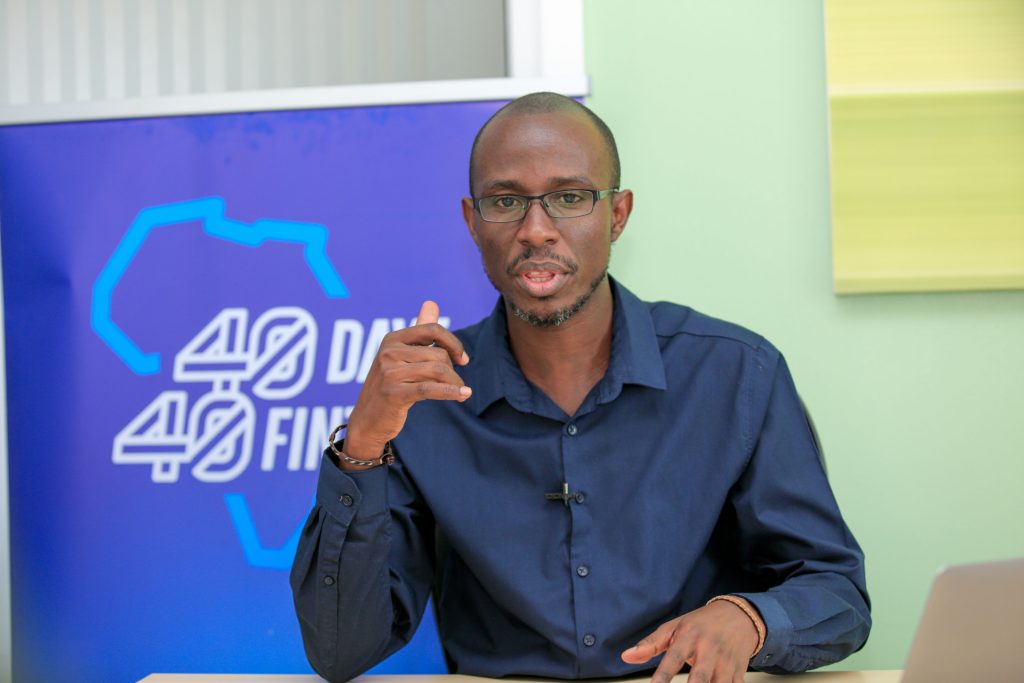
According to HiPipo CEO Innocent Kawooya, this year’s edition will cement achievements of the previous editions – where over 60 FinTechs have been transformed – but also build on them to leverage digital financial inclusion in East Africa and beyond.

“As HiPipo, our extensive effort and advocacy is partly for the intention of championing digital innovation and interoperable instant and inclusive payment systems (IIPS) in Africa to a point where our innovators enjoy and achieve sound profit margins to help them keep designing and deploying affordable and inclusive financial services for the poor,” Kawooya said.

Peleyta is using FINTECH to enable less fortunate Ugandans access quality healthcare

0

Our Reporter.  

Majority of Ugandans are just one medical emergency and hospital admission away from financial ruin and untold disaster. This is because accessing quality healthcare is very expensive and a preserve of a few.

Even though the government, with support from development partners, has invested massively in healthcare, the cost of medication remains very high for the uninsured.

It is this predicament that inspired a group of young Ugandans to come up with a digital platform that can enable ordinarily Ugandans save money for health emergencies.

Named Peleyta Health, this digital platform is a flexible, affordable and convenient FinTech helping low-income earners prepare for and afford quality healthcare anywhere at all times through a digital healthcare micro savings and lending.  

“We derive our name Peleyta from the English word Pay Later; meaning that if you request for a medical loan from Peleyta, we have it extended to you, get treated and pay later at your convenience. We believe that no one should struggle financially to receive healthcare,” Douglas Smith, the Peleyta Co-Founder, said.

He added: “When you look at insurance penetration in Uganda, it stands at 1 percent, leaving over 43 million Ugandans uninsured. At Peleyta Health, we enable our users to save as low as UGX 500 cumulatively deducted and reserved for health care. All this is done through mobile money. This fund can be used to offset their medical bills or buy medicine at registered healthcare facilities and pharmacies. And in case these funds are not sufficient, they can request for a micro loan and we do a top up for them.”

To start this journey, the team behind Peleyta Health was challenged and motivated by an unfortunate viral story of a one Anita Mushieimana, who walked to Kitwe Health Centre IV (Ntungamo district) to give birth, upon reaching at the health centre, she delivered at the gate because she failed to pay UGX 50,000 to let her into the delivery Ward.

“After some time designing this platform, we launched early this year and have so far cleared medical bills of more than 150 subscribers. We also have more than 20 health facilities registered on our platform. We started from Ibanda district and are progressing well in western Uganda. We plan to expand to more healthcare facilities across Uganda.”  

To get started, you download the Peleyta APP or visit their website and register. Only registered members are guaranteed to access Peleyta services within the shortest time possible since their KYC and due diligence in general was earlier done during registration stage.

Registered members instantly have a savings account with Peleyta Health created; an account they keep servicing either daily, weekly, or monthly starting with as low as UGX 500. These savings attract interests at the end of the month. Savers will access their savings to clear their medical fares anytime.

Peleyta Health is the 5th participant of the 2022 40 Days 40 FinTechs initiative.  

40-Days 40-FinTechs

Now in its third edition, #40Days40FinTechs has quickly grown into one of the world’s premier showcase events for the innovations that are enabling ever more people to join the digital economy space. That is surely going to remain the case, in large part due to the inspiration and collaboration that our partners; Level One Project, Mojaloop, ModusBox, and Crosslake Technologies generate, but mostly because of the continuing, generous support of the Gates Foundation.

Digital Innovators and FinTechs around East Africa should be more eager to embrace 40 Days 40 FinTechs as Season three will cover physical destinations in Uganda, Kenya, Tanzania, Burundi and Rwanda.

Run under HiPipo’s Include Everyone program that also encompasses other initiatives such as FinTech Landscape Exhibition, Women in FinTech Hackathon, Summit & Incubator and the Digital and Financial Inclusion Summit and Digital Impact Awards Africa; the #40Days40FinTechs platform aptly provides a setting for the various players and stakeholders involved in digital and financial technology to exhibit their products & Services and also share their ideas on how more of us, especially those unserved and underserved by the present financial systems, can be brought into the fold.

The 40 Days 40 FinTechs initiative offers participants useful tools and an introduction to industry’s emerging technologies, such as Mojaloop Open Source Software, and guidance from Level One Project foundational material. The skills gained from this initiative cover Level One Project Principles, Instant and Inclusive Payment Systems (IIPS), Inclusive Finance and FinTech in general.

According to HiPipo CEO Innocent Kawooya, this year’s edition will cement achievements of the previous editions – where over 60 FinTechs have been transformed – but also build on them to leverage digital financial inclusion in East Africa and beyond.

“As HiPipo, our extensive effort and advocacy is partly for the intention of championing digital innovation and interoperable instant and inclusive payment systems (IIPS) in Africa to a point where our innovators enjoy and achieve sound profit margins to help them keep designing and deploying affordable and inclusive financial services for the poor,” Kawooya said.