Home Blog Page 30

Fresh Graduates get Work Readiness Training.

0

Uganda has one of the youngest populations globally. Each year, up to 800,000 Ugandans join the job market. These include some 100,000 fresh graduates from Universities and other institutions of higher learning.

Unfortunately, the job market only absorbs a small percentage of these with the rest having to either create their own jobs or remain unemployed.

Even worse is the fact that many of those employed, lack the necessary real work environment skills, their qualifications notwithstanding. This is largely because of theory education, and limited practical studies offered by the old syllabus.

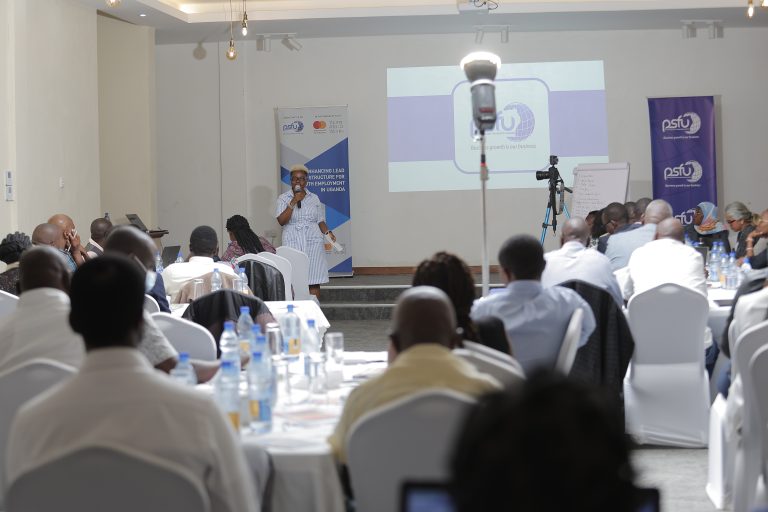
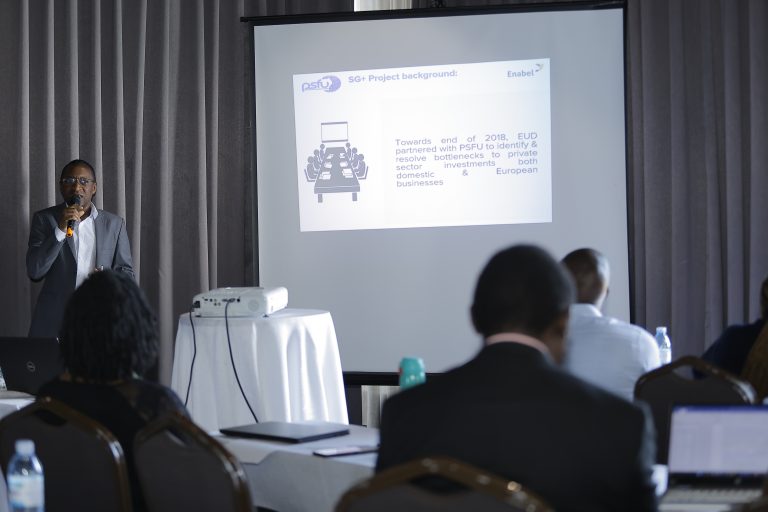
In a move to address this skills gap, Enabel and Private Sector Foundation Uganda (PSFU) with support from the Mastercard Foundation are implementing the Work Readiness Program to specially enhance employability and productivity of young graduates from universities and other institutions of higher learning.

The Work Readiness Program (WRP) supports recent university graduates to acquire practical work experience and boost soft skills through attachments to jobs in the sectors of Manufacturing, Agro-processing, Construction, Tourism and ICT for six paid months.

Under this six months’ arrangement, the Word Readiness Program pays 80 per cent of the selected graduate’s salary while the organization the graduate is working for pays the 20 per cent. 

The program that is being implemented together with over 30 organizations in the sectors of Manufacturing, Agro-processing, Construction, Tourism and ICT has already benefited some 500 fresh graduates.

According to Betty Twesiime, the Graduate Relations Officer Under The Work Readiness Program at PSFU, this program is open to citizens and residents of Uganda who graduated from a University with a transcript or evidence of processing one. The eligible candidates must have completed or graduated not more than 2 years from date of application, seeking work in one of the targeted sectors (Agro Processing, Construction, ICT, Manufacturing, Tourism & Hospitality) and willing to commit to a 6-month work readiness programme.

“There are no charges paid for attending the interview or for joining, if selected. The shortlisted candidates will have to appear for an interview at a venue that will be communicated. The award of a placement does not confer on the candidates any right for absorption in the host companies under any circumstances,” she said, adding;

“Candidates will be required to produce original of all certificates/testimonials and any other relevant certificate, community certificate, if applicable, during the interview. Female graduates in male dominated trades in these sectors are encouraged to apply.”

The Work Readiness Program adds to a list of other initiatives that PSFU is implementing under the Lead Firm Structure (LFS) Program.

Since its launch in 2019, the LFS project has so far mobilized 137,077 Ugandan Youth and managed to transit over 100,000 Youth into meaningful and dignified work, whilst targeting to create at least 300,000 jobs by 2025.
Birders ask Government to reduce Equipment Taxes and protect Habitats.

0

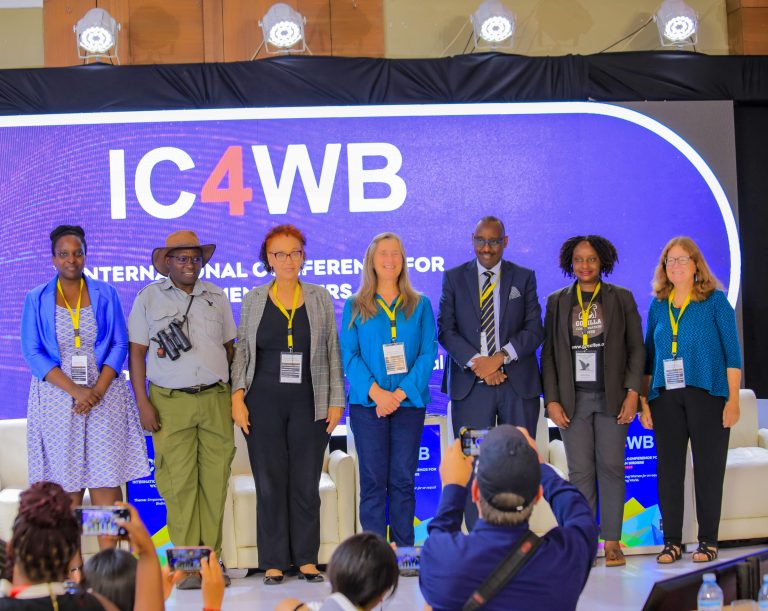
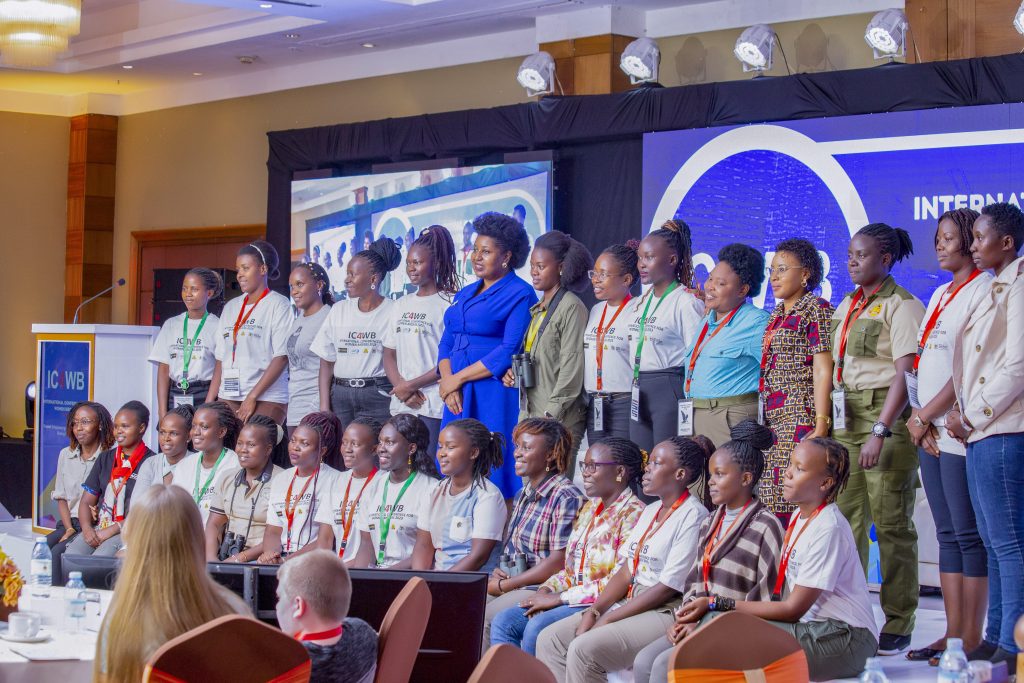
Stakeholders in the Tourism Industry are convinced that Uganda has what it takes to become a leading Birders destination globally and now target hosting at-least 100,000 birders and earning up to USD 700 million per year by 2030.

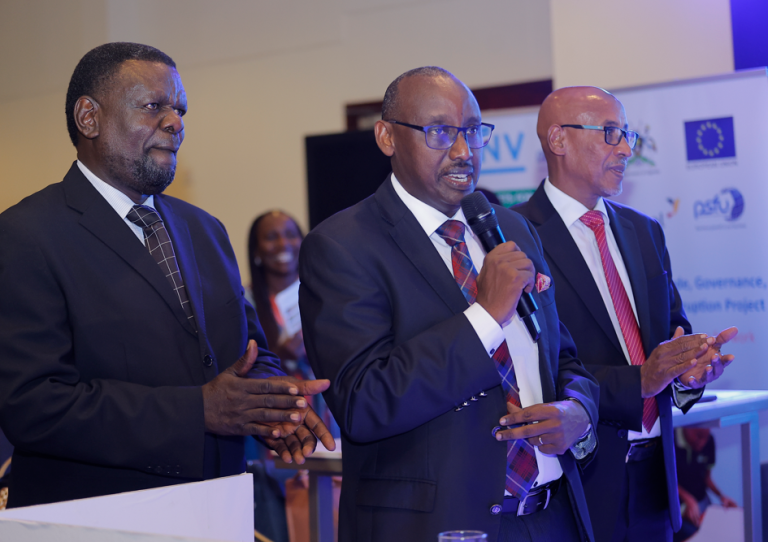
This was revealed at the inaugural International Conference for Women Birders (IC4WB) held at Sheraton Hotel Kampala from 6th to 8th December and attended by birders and Tourism stakeholders from allover the world.

 “This is a life time experience for me. Uganda is so outstanding with professional tour guides, a variety of birds and the different biodiversity elements. The potential is unlimited and needs to be tapped into,” Andrea Molina, a Bird Guide from Ecuador, South America noted.

Birding is a valued activity worldwide with over 80 million birders traveling to different parts of the world to enjoy it. These include over 20 million from the United States of America (USA) alone.

Some 1,100-bird species call Uganda home, which is about 11 per cent of the world’s total population and more than 50 per cent of the African’s total birds’ population. Nonetheless, the opportunities presented by these birds are yet to be fully explored to benefit Ugandans.

According to Jeff Bouton, the marketing manager of Nature Observation USA, one way of making the birding sector attractive is through reducing or totally doing away with taxes on birding equipment.

“There are massive import taxes on these products that make them hard to get. The government should find a way of reducing or removing these taxes totally. This will help create more professional guides, make the birding tools more available and improve the overall birding experience for tourists,” Mr Bouton said.

The three days conference was organized by organized by Uganda Women Birders, Uganda Safari Guides Association, Bird Uganda Safaris, and supported by Private Sector Foundation Uganda (PSFU), Uganda Wildlife Authority and Ministry of Tourism Wildlife and Antiquities.

Mr Stephen Asiimwe, the Chief Executive officer of the Private Sector Foundation of Uganda said that the country has matured as an international birding destination in the region mainly because of conservation efforts, location along the equator and climate, improved infrastructures, security and improved internet connectivity.

These, he said, although not yet sufficient, can be leveraged to increase the number of visitors coming into the county with the purpose of birding.

He added that more efforts from both the government and the private sector were still needed to market the product so as to attract both local and international tourists.

“Birding in Uganda has the potential to improve from the level it is now to earning us millions of dollars each year. The issue of birding is a mind-set issue the private sector and other partners can change. The communities where these birds are should be made to appreciate the need for these birds,” he said.

Mr Asiimwe called for an urgent need to conserve habitats as this is the only sure way of ensuring that these top dollar earners are safe and available for business.

Tanzania ICTC, HiPipo sign long term partnership.

The government of Tanzania has lauded HiPipo’s deliberate digital and financial inclusion efforts that continue to address longstanding disparities, close gender diversity gaps and advocate for equity for thousands of underserved and unserved populations across Africa.

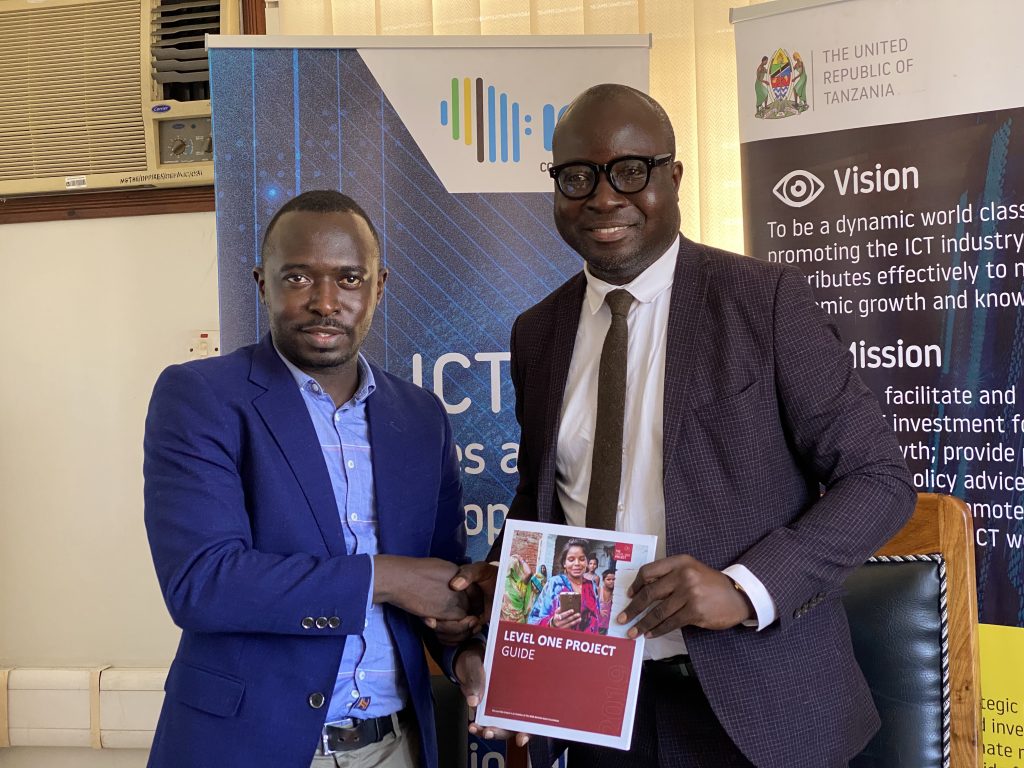
As proof of its commendation of these digital and financial inclusion works, the government through the Tanzania Information and Communication Technologies Commission (ICTC) has signed a long-term partnership with HiPipo.

Dr Nkundwe Moses Mwasaga, the director general of the Tanzania ICTC noted that the partnership with HiPipo is timely as it tackles key issues such as limited awareness about technology solutions, knowledge gap and gender inequality.

To actualize this partnership, HiPipo has already rolled out its Include EveryOne program in Tanzania with a special focus on empowering and transforming Women, the Youth and millions in the Informal sector.

The #IncludeEveryOne program is a beacon of acceleration of FinTech Innovation, empowerment for Women in FinTech and a catalyst for investment and development in the ICT sector. This initiative is set to break new ground through research advisory, stakeholder collaboration, and capacity building for ICT professionals in Tanzania!

“We are ecstatic to announce that a pivotal agreement has been signed and sealed between HiPipo and the Tanzania Information and Communication Technologies Commission. This promising collaboration is aimed at expediting financial inclusion in Tanzania, under the renowned HiPipo Include Everyone Program, with the generous backing of the Gates Foundation,” Innocent Kawooya, the HiPipo CEO noted.

He added: “Through this agreement, expect a showcase of FinTech giants, Women in FinTech innovators, and burgeoning startups from Tanzania. The Include Everyone program activities operated globally by HiPipo will play a crucial role in promoting financial inclusion, driving economic growth, fostering ICT investment, advising stakeholders, and building a resilient, knowledgeable group of Digital Innovators and ICT Professionals in Tanzania.”

Furthermore, the Tanzanian government bestowed HiPipo with the Best Partner in Supporting ICT Innovation 2023 award during the 7th Tanzania Annual ICT Conference held in Dar Es Salaam, Tanzania recently.

“We are honoured to receive this appreciation from the government of the United Republic of Tanzania. Our dedication remains unwavering in advocating for digital innovation, FinTech Innovation, and Financial Inclusion,” Kawooya noted while receiving this award.

HiPipo is recognized as a premier advocate of digital Innovation and financial inclusion champion, a fervent proponent of the #LevelOneProject. HiPipo has been at the forefront, actively promoting digital innovation, Instant, Inclusive Payment Systems (IIPS), and DFS across Africa. With a legacy of advising, mobilizing, and facilitating the adoption of inclusive financial services, HiPipo’s efforts have been nothing short of transformative! For almost two decades, HiPipo has successfully facilitated the inclusive adoption of these crucial services.

Private Sector continues to influence development amidst non-tariff barriers and poor infrastructure challenges.

0

The private sector continued to influence Uganda’s development in 2023, even amidst several challenges that affected the ease of doing business locally and across the region.

Speaking at the first private sector Gala organized by Private Sector Foundation Uganda (PSFU), the organization’s chairperson, Mr Humphrey Nzeyi, said that the private sector has this year recorded several positives which include influencing the tax and budgetary decisions of the country.

“In the 2023/24 annual budget, PSFU was instrumental in advocating for a better tax regime and budget allocations and to this end 78% of the suggestions we made during the budget cycle were adopted by the Government in this year’s budget,” Nzeyi said.

The PSFU Gala and Awards event was organized to give private sector players, government and development partners a chance to network and seek more developmental partnerships.

PSFU used the Gala to unveil several partnerships including with UNHCR, UN Women, KCCA and Uganda Baati. These partnerships will see private sector players work directly with these organizations to explore business opportunities in refugee settlements, empower more women and plant over one million trees around Kampala as means to mitigate climate change issues.

Challenges.

Nonetheless, the persistent non-tariff barriers across regional markets continued to affect the growth of Uganda’s private sector and further delayed the country’s recovery from the Covid-19 pandemic aftershocks.

According to Mr Stephen Asiimwe, the PSFU CEO, hopes for an improved private sector growth have this year were undermined by these non-tariff barriers after several exporters registered losses due to blockades.

“This year, one of our main challenges was the standoffs we have had with countries like South Sudan over maize, and Kenya over milk among others which have had a great negative impact on the sector,” he said.

In March, Kenyan authorities banned Ugandan milk products from their market reportedly to protect local farmers from external products, as they anticipated an increase in their output.

Then, around May, over 40 Ugandan registered trucks transporting maize produce were impounded on their way to Juba by the South Sudan Bureau of Standards.

Mr Asiimwe added that apart from the non-tariff barriers, the private sector growth has also been thwarted by poor road networks to key markets, expensive air transport which could have been used for perishable goods like flowers and vegetables and slow progress on the Standard gauge railway which is highly billed to cut transport costs and time.

Government Commitment.  

Ms Evelyn Anite, the State minister of Finance for Investment and Privatisation said that the government was still committed to reducing the cost of doing business in the country to bolster operations of the private sector and attract more investments both foreign and local in the long-term through improvement of transport, electricity and easier access to market.

“We are in advanced stages of making sure that we address the challenge of access to the market for our private sector. This is mainly going to be through the Africa Continental Free Trade area,” she said.

PSFU completes countrywide Business Development Training

More than 200 Business Development Services (BDS) providers drawn from across Uganda have been equipped with business management knowledge, necessary enough to catalyze enterprise growth as well as address the ecosystem limitations of insufficient specialized and qualified BDS providers.

The BDS Providers Training titled, ‘Growth Partners’ program, was premised on BDS standards that the Private Sector Foundation Uganda (PSFU), supported by Mastercard Foundation developed through a technical working group in 2022.

Speaking at the end of this training in Kampala yesterday, Ms Damali Ssali, the PSFU chief programs and projects officer noted that this training has furnished participants with skills required to improve their businesses and compete favourably in the market.  

She challenged entrepreneurs to use the knowledge acquired better run their businesses through specialization and working with the right human resource.

“As an entrepreneur, you must be aware that you can not do everything. You can’t be the innovator, the lawyer, the salesperson, the accountant and the marketer. Focus on what you are very good at and then work with other competitive people to deliver quality requests for your customers and yourself,” Ms Ssali said, adding;

“You were selected out of more than 1000 applicants to catalyze the development of the BDS ecosystem for our country. PSFU is looking forward to realizing the impact of this training program on your businesses, but also on the broader business ecosystem, emphasizing accountability and continuous improvement.”

The participants were selected through a competitive application and evaluation process based on their placement and ability to impact enterprise development in their respective communities. Through the Program, BDS providers were equipped with the required information on Uganda’s newly formulated business development support standards, tools, mentorship and resources needed to drive sustainable business growth.

With the completion of this training, MSMEs now have a diverse range of BDS providers across the country that are equipped with practical strategies to navigate business challenges and seize available opportunities from all sectors.

Alawi Mutebi, the founder of Eurosat Group of Companies and one of the participants in this training noted that this training has given them a better understanding of the SMEs ecosystem with a clear explanation of unique SME problems and how to how to best address them.

“I have got to clearly understand that as BDS Providers, we also need to work on our companies’ processes. It is important that our houses are in order before we go out to fix problems faced by the small businesses we are supporting. With this training, I am now able to first diagnose the SME businesses’ problems before making recommendations.”