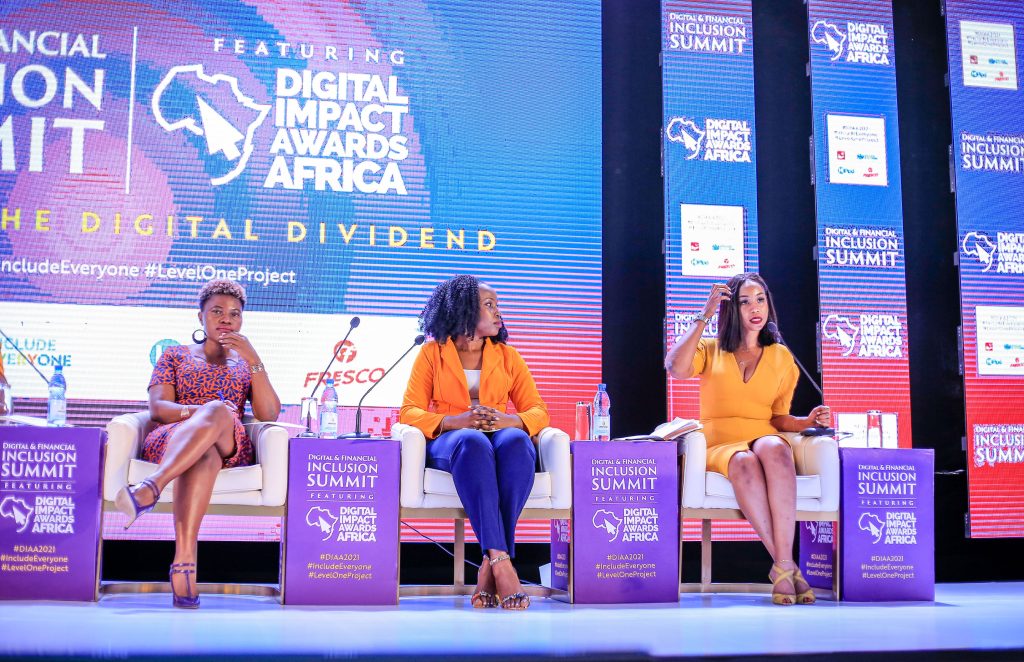
In a move aimed at enhancing the competitiveness and visibility of female entrepreneurs across the country, Private Sector Foundation Uganda (PSFU) is set to roll-out regional markets for women-founded and women-led businesses.
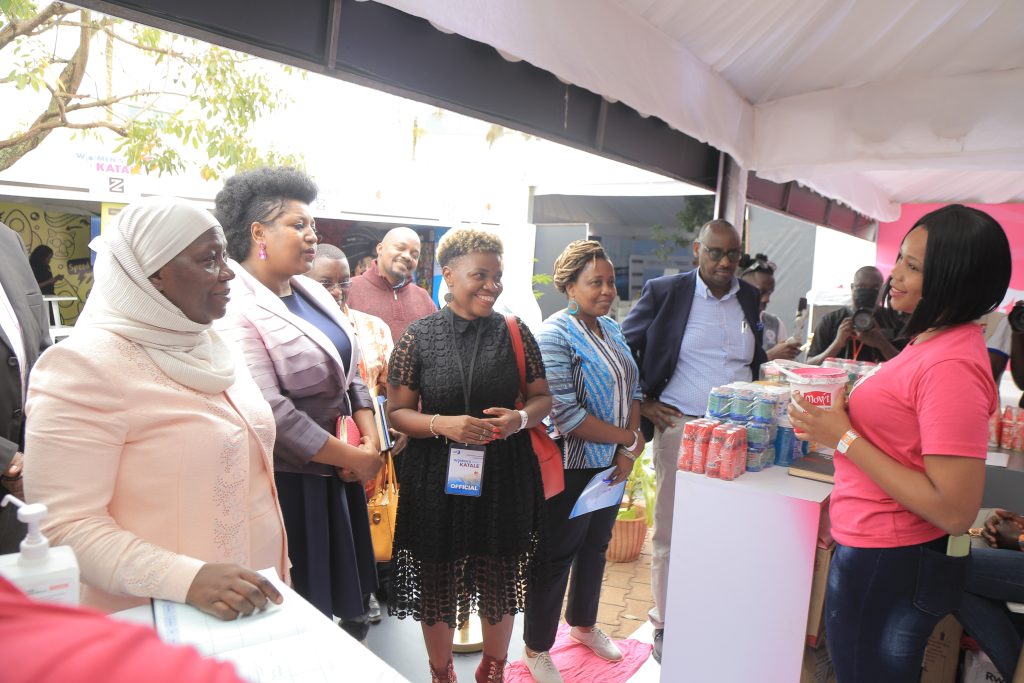
This development was revealed at the second edition of the annual PSFU Women’s Day Katale (Women’s Day Market) held in Kampala on the 10th and 11th of March 2023.
“In 2022, we held the first Women’s Day Katale in Luwero district. It had more than 100 Exhibitors. This year we moved to Kampala and have been able to accommodate over 250 Women Entrepreneurs. The online registrations for participation are in four digits – more than 1000 submissions,” Stephen Asiimwe, the PSFU Executive Director said, adding;
“Clearly, there is a lot of interest in this Katale concept as it gives women a chance to learn, showcase, and market their businesses. We believe that women play an important role in Uganda’s economic development and we must support them in every way possible.”
Damali Ssali, the PSFU Chief Programmes and Projects officer explained that plans to make the Katale regional are underway starting with the Western, Northern and Eastern regions.
“PSFU Women’s Day Katale seeks to uplift women entrepreneurs from across the country. After Luwero, we came to Kampala. We want to impact women from all over Uganda through the regional markets. We are also conceptualizing a digital Women Entrepreneurs’ market place that will always be open. Just like the normal marketplace, the PSFU Women’s Day Katale will eventually become available and accessible all the time through an E-Commerce platform,” Ssali said.
The Women’s Day Katale is organized by PSFU in collaboration with Mastercard Foundation’s Young Africa Works (YAW) initiative. It provides a unique opportunity for women and girl entrepreneurs to showcase their businesses and connect with other like-minded individuals while advancing important conversations about women’s and girls’ rights and gender equity in the private sector.
“At PSFU, we are committed to promoting Gender Equity. We know that investing in Women is not only a good thing but the right investment. That is why continue to hold this Katale in addition to other interventions aimed at empowering women,” Ms Sarah Kagingo, the PSFU board vice chairperson said.
She added: “It is also true that women businesses are small and lack capital when compared to men. But thanks to partners such as MasterCard Foundation, Women are able to access capital, get trained and given a chance to compete favorably.”
Further, Hon. Hajjat Minsa Kabanda, the Minister for Kampala and Metropolitan Affairs noted that even though Uganda has had several gains on matters of gender equality, much more effort must be channelled towards skilling women as there is still huge gender skills and jobs gap.
“Women-owned businesses are smaller, less productive and sustainability remains low. We must explore how women-owned businesses can grow from subsistence to industrial, sustainable and productive industries. Let us start with training and equipping them to compete favorably,” Hajjat Kabanda said.
Minus the over 250 exhibitors, the 2023 edition had several business clinics that equipped participants with different skills. These included a trade simplification one-stop-centre facilitated by the Uganda Revenue Authority, Uganda Registration Services Bureau, Uganda National Bureau of Standards, and Opportunity Bank Uganda, a beauty clinic facilitated by Movit Uganda, the Boss Babe business clinic facilitated by Claire Muhire, a creative business clinic facilitated by Zeus the Agency, a health business clinic facilitated by Reproductive Health Uganda and a technology clinic facilitated by SafeBoda.
Africa’s leading music publicist and media entrepreneur, Anyiko Owoko, launches the second season of VIP ACCESS: her YouTube show and its companion podcast featuring 18 music stars from Kenya, Uganda, Ghana, South Sudan, South Africa and the US. The new season is set to premiere on March 7th 2023 with new episodes every other Tuesday.
The new season will spotlight rising and established hip hop stars from around the continent including fierce Kenyan femcees Groovy Jo, Maandy and Wangechi; Ghanaian rap king M.anifest, Uganda’s Fresh Prince Flex D’Paper and Kenyan star based in the US King Kanja. Certified Kenyan hitmakers: Vic West and Mutoriah will be joining the explosive season alongside contemporary, Jazz, R&B and soulful Kenyan music kings and queens: Meryl Paige, Olivia Ambani, Muthaka, Pryshon, Coster Ojwang’, Brian Nadra, Mbae; and South Africa’s Pilani Bubu.
From topics cutting across music-making, brand building, breaking big, career drive, and originality to emerging trends and genres; VIP ACCESS season 2 is an exclusive access into industry issues through the lens of Africa’s brightest and most talented. It’s also an exciting discovery into the emerging artists set to become Africa’s next biggest acts.
Anyiko is the founder of Anyiko Public Relations – a leading artists & culture PR agency, based in Nairobi, Kenya and steering campaigns across Africa. Best known for having worked as Coke Studio Africa’s Entertainment and Music Publicist from 2015 – 2019 and having steered Sauti Sol’s brand from an unknown quartet to Kenya’s biggest music export and Africa’s biggest music group; Anyiko continues to be an industry force and a staunch supporter of artists and the creative sector. She also works as Music and Events Curator for several outfits and cultural institutions. Most recently; she worked on the second season 2 of E! VIP Show (currently airing on DSTV Channel 124 every Sunday) by E! Entertainment as East & West Africa Publicist and an interviewer. She was also an African and Kenyan representative and speaker at Saudi Arabia’s XP Music Futures (2022) and the 2023 South Africa’s Showbiz Entertainment Africa Academy Conference in partnership with Gauteng Tourism.
VIP ACCESS is Anyiko Owoko’s YouTube and podcast show on Music and Culture, which also spotlights her work as one of Africa’s leading music publicists and executives. The platform and space are dedicated to promoting Africa’s most promising talent and creatives. The show launched in 2018 to provide a platform for rising as well as established artists across the continent. This came following Anyiko’s 7-year stint hosting and co-producing the legendary Grapevine TV Show – Kenya’s longest-running entertainment magazine show. Since 2018, Anyiko has interviewed over 60 of Africa’s top music stars from countries including Kenya, Tanzania, Uganda, Nigeria, Burundi, Zimbabwe and Rwanda on VIP ACCESS.
Apple Music today announced Alté-R&B singer-songwriter Mauimøon (Donald Otim) as the first artist to be featured in its new Up Next artist development program in East Africa.
“I am honoured to be selected for Apple Music Up Next. This means a lot to me as a Ugandan artist from a country that has a lot to offer in the music industry. It makes me feel good that my music is being recognized, especially as an Alte/R&B African artist in an Afrobeats-dominated industry, and it motivates me to keep doing my best. Through my latest EP, From Uganda With Love, I want to evolve my sound and reconnect with my country and religion after spending some time away while also showcasing the R&B influence my fans have come to enjoy from my work. Being selected as Apple Music’s Up Next artist for East Africa is a priceless opportunity to see my vision become a reality,” he says.
Having spent years in Uganda refining his talents as a producer under the name SoulChyld, Mauimøon has now shifted his focus to being fully in the spotlight as a singer and songwriter. His debut album, From Uganda With Love (2023), available to stream on Apple Music and released through Palagroove, is the catalyst for this move and showcases the evolution of his sound.
As a fresh-faced pioneer of Africa’s underground Alté scene, Mauimøon fuses R&B, Afro-pop and hip-hop, all underpinned by his smooth, unorthodox vocals that were influenced by the R&B timbres of Joe Thomas and Craig David.
Apple Music’s Up Next artist development program has had a fruitful history of spotlighting the next wave of creative talent since it was established in August 2017, with Nigerian Grammy Award-winning superstars, Burna Boy and Tems, the first two African artists to be spotlighted on a global scale in 2019 and 2021 respectively.
Expanding to showcase South African talent in March 2021, and then later Nigerian talent in July 2021, Apple Music has had its finger on the pulse of African talent as the eyes and ears of the world have shifted to the melting pot of sounds emerging from the continent.
South African artist alumni include Blxckie, SiBi, Valley Sixteen, Hersch, Ciza, Una Rams, Lucasraps, Filah Lah Lah, Halo Yagami, ByLwansta, SunMan, Money Badoo, Nanette, Amy Lilley, Maglera Doe Boy, aboynamedblu and Eloff, while Nigerian alumni include Ajebo Hustlers, Jaido P, Wavy the Curator, SGaWD, Browny Pondis, TI Blaze, Young Jonn, Ninety, Khaid, Majeeed, Oganya, Kaestyle and Novemba.
“Being part of the Up Next program was a huge step in the right direction for me. Going from releasing music for free to being part of something that allowed me to tap into a fan base across my borders is a dream.” – Blxckie
“Being an Up Next artist was very exciting for me. The exposure and support from Apple Music was an incredible journey and I really appreciate it.” – Young Jonn
“It was a very surreal moment for me because I totally wasn’t expecting to be recognized by such a prominent platform right away. I feel super blessed and honoured and I’m definitely looking forward to what the future holds.” – Halo Yagami
As the first Up Next act to be spotlighted in East Africa, Mauimøon will be featured across Apple Music’s East Africa Up Next playlist. The curated Up Next playlist features a dynamic class of new and emerging artists, thoughtfully hand-picked by Apple Music editors from around the world. The playlist is genre-agnostic and represents a line-up of artists our global editors are passionate about and eager to expose to a larger audience.
The vast global Up Next roster of past talent includes Grammy-nominated and critically lauded talent like 6lack, Daniel Caesar, H.E.R., Greta Van Fleet, Khalid, Amy Shark, Billie Eilish, Sabrina Claudio, Sigrid, Mr Eazi, Stefflon Don, Bad Bunny, Juice WLRD, Bazzi, Jax Jones, NCT 127, Summer Walker, Tierra Whack, Dean Lewis, Pink Sweat$, Koffee, Megan Thee Stallion, Burna Boy, Clairo, Lunay, Jessie Reyez, Orville Peck, Victoria Monét, Ingrid Andress, Conan Gray, Don Toliver, Rema, BENEE, Holly Humberstone, Natanael Cano, Givēon, beabadoobee, Arlo Parks, Tate McRae, Foushee and Tems.
About Apple Music
Apple loves music. Apple revolutionized the music experience with iPod and iTunes. Today, the award-winning Apple Music celebrates musicians, songwriters, producers, and fans with a catalogue of over 100 million songs, expertly curated playlists, and the best artist interviews, conversations, and global premieres with Apple Music Radio. With original content from the most respected and beloved people in music, autoplay, time-synced lyrics, lossless audio, and immersive sound powered by Spatial Audio with Dolby Atmos, Apple Music offers the world’s best listening experience, helping listeners discover new music and enjoy their favourites while empowering the global artist community. Apple Music is available in over 165 countries and regions on iPhone, iPad, iPod touch, Mac, Apple Watch, Apple TV, HomePod mini, CarPlay, and online at music.apple.com, plus popular smart speakers, smart TVs, and Android and Windows devices. Apple Music is ad-free and never shares consumer data with third parties. More information is available at apple.com/apple-music
In their paper titled “Advances in Real Time: Challenges and Solutions in Interoperable Payment Systems,” Kosta Peric, Miller Abel, and Matt Bohan discuss the complexity of dealing with cash. I refer to this paper when discussing elements like interoperability, Level One Project (L1P), and Instant Inclusive Payment Systems (IIPS) that are key to designing Digital Financial Services (DFS) for low-income users.
Finance centers around exchanging something valuable for more of what you want. For most people around the world, making payments is a fundamental financial action – whether using cash, SMS, or cards.
The choices people make while transacting are largely dictated by whether they prefer to pay with cash or use a digital payment system. In most cases, cost and convenience take precedence in making that choice. And these decisions are made quickly because the need for the service or product is immediate. Therefore, real-time payments are now a high priority for businesses and people.
Good enough, providers can now reach customers they previously couldn’t. These include people with very limited assets who are either unbanked or underserved by traditional financial services. The development of the Level One Project, an initiative to promote the creation and evolution of inclusive, interoperable digital payment platforms, is a response to such trends.
Despite the rise in digital financial services usage, an estimated 500 million adults are still financially excluded globally. Financial exclusion is majorly a result of the limited usage of open-loop, cost-effective, real-time, secure retail payments systems to connect low-income consumers to formal financial systems.
Of the 736 million people worldwide who lived on less than $1.90 a day in 2015, about 413 million were residents of sub-Saharan Africa. Several economic studies suggest that between 10 and 30% of households escape poverty in sub-Saharan Africa over a 3–10 year period. This is done by taking advantage of opportunities, such as finding a new job or starting a micro business. However, the sad fact is that a similar number of people fall back into poverty due to economic setbacks or life shocks.
Many people are more concerned with saving face than they are with ensuring a quality sustainable lifestyle. The ability to offer services that can sustain positive change in the face of shocks is key for innovators to achieve sustainability. They would help in modeling how low-income users can best access opportunities to better their own lives. At HiPipo, we have used our experience, working with global partners to develop ideas about how financial inclusion can be achieved. Digital financial services are powerful in their ability to help people transition onto formal systems and take advantage of opportunities. For example, today people can easily rely on a trusted ride-hailing service when they need one. A Boda Boda or taxi they can call with ease. Additionally, the growing number of digital transactional channels have proved efficient and meet the needs that low-income users value.
However, if we don’t address the barriers that limit sustainability and affordability, digital payments will continue to move slower than they should. Today, innovators and founders can use affordable solutions like Cloud-based services such as Azure and AWS to reach out to poor people. Most traditional transactions—especially those involving physical goods, services, or information—are still too expensive unless they can be handled digitally.
Lowering the cost of digital transactions over cash makes them more appealing, thereby creating attractive user experiences. The most efficient systems are those that provide users with high-quality, inexpensive transactions. Digital solutions improve lives and households, promote savings and confidence.
Creating simple variable cost structures that can be tailored to each user’s needs is preferable to creating a one-size-fits-all fixed structure. This is an important consideration when budgeting for the infrastructure needed to support innovators’ target users. This can eventually be distributed to thousands, millions, or even billions of transactions and users. The challenge is in finding an environment that provides the right number of users that can be served at a cost low enough to be feasible. The cost of the product you want to offer should be affordable compared to what people in traditional branches would pay.
For every user, income streams are not the same. This makes it extremely difficult to overcome the challenges associated with high transaction costs and traditional paper transactions. Over the years, it has become clearer that traditional financial services are unable to serve so many users. If more users can move into digital services, many of these challenges will be overcome. For example, Cash is accepted everywhere, but it’s often expensive to use. Transferring cash using informal couriers and lenders is also costly.
Interoperability helps mobile money services expand their reach into the merchant and bulk-payment markets. Most innovators lack the data needed to understand how to design affordable, interoperable financial products. Those that address the real issues facing low-income people. Many people are investing in learning about the behavior of poor people. These advancements are allowing many people to meet household needs in ways they never could before.
Most digital transactions do not require human intervention to complete as in traditional paper-based systems. We should provide solutions that address the economic barriers to the adoption of new technologies. We should also make sure people have enough information about these technologies. Many innovators are working to find such solutions.
The mobile phone has become an essential part of modern-day life. People are increasingly being served in bulk on the convenience of phones. These approaches are helping to build trust among low-income users. Advocates, supported by private foundations and funders are helping to spread word about financial products that can benefit those least likely to have access. We all must prioritize conversations about the best way to create solutions that work well with low-income users.
Undeniably, digitally-enabled solutions have reached people who had never been able to access such services – like poor women in some of the most remote areas on Earth.
In terms of financial infrastructure, an interoperable payment platform is one of the most important pieces. It is the point at which the daily financial actions of customers meet and rely upon holdings by providers. Such platforms are often organized on a national scale because of country-specific currencies and regulations. However, regional and international systems are also important. We see this in the EU, South African Development Community (SADC), and credit card providers like Visa or MasterCard. By doing holistic impact investment on digital infrastructure, we will see the influence of digital services on agriculture, education, and healthcare. Taking these actions will improve trust and user perception among low-income people. Investment in public-private infrastructure can have a major impact on the living conditions of poor people. Players are working with public and private sector providers to develop sustainable impact measures.
According to McKinsey, by 2025, the e-payment market is expected to reach $40 billion in revenue from domestic payments alone and process 188 billion transactions. However, Africa’s growth in e-payments will likely be uneven, depending on factors such as infrastructure readiness, regulation, and mobile penetration. To better accommodate the digital age, a few countries have made advances in their policy frameworks, electronic payment systems, and infrastructure.
A 2022 report by AfricaNenda found that nearly 30 instant payment systems operate in Africa. Most continue to be designed for use by only a few financial institutions and rely on high transaction values.
The design principles outlined in the Level One Project guide provide a valuable tool for increasing and sustaining digital financial inclusion. The Mojaloop OSS, together with the APIs and strategies inspired by distributed ledger technology, fosters a vision of an interoperable ecosystem. As such, banks, government entities, merchants, and mobile money operators can all work together to promote financial inclusion among underprivileged groups.
Interoperability will hasten innovation for real-time payments solutions in person-to-person, merchant point of sale, payroll and bulk payment transfers; multiple accounts, users and fraud monitoring. Organisations like HiPipo are known for championing digital innovation, Interoperability and Instant, Inclusive Payment Systems (IIPS) across Africa.
The HiPipo Include Everyone Program provides a platform for governments and other stakeholders, including private sector organizations, to work together to promote financial inclusion in Africa. The Program draws on experience gained, advocating for the reduction of interoperability challenges that lead to exclusion from financial services among poor and vulnerable groups. The Include Everyone Program features the implementation of the 40 Days 40 FinTechs Initiative, Women In FinTech Hackathon, Summit and Incubator; Digital Impact Awards Africa, and the Digital and Financial Inclusion Summit.
The program offers technical training on how to promote the deployment of payments systems that are secure, universal, and competitive. It supports governments by providing technical and policy advice on cutting-edge issues, promoting secure ICT deployment for sector development and strategic investment.
We also have the HiPipo Women In FinTech magazine that highlights women’s contributions to and achievements in the financial technology industry. It explores challenges facing women working in finance and tech. The magazine is part of HiPipo’s efforts to promote diversity and inclusion in the digital innovation industry. Furthermore, the magazine supports raising awareness about the significance of women in shaping the future of finance and technology. Women must be prioritized for the knowledge and tools to build successful tech initiatives, for what they do shall ultimately serve communities better.
Building an interoperable payment platform on a national or regional scale is no small accomplishment. It requires a clear focus on the ultimate objectives, effective governance and oversight, and an awareness of potential obstacles. Interoperability can be achieved by overcoming two key technological barriers namely;
Lack of an efficient clearing system in which to settle payments across different financial service providers.
Lack of a standardized method for connecting these providers to a common platform.
The L1P and its reference implementations address both of these issues. Building L1P-aligned platforms can help overcome some of the key barriers limiting full financial inclusion.
Interoperable instant and inclusive payment systems promote sustainable and inclusive economic growth. They support the transfer and receipt of low-value payments at any time, and at an exceptionally low cost that may introduce the unbanked to the formal financial system.
We are excited to share with you the Women In FinTech Magazine—January 2023 edition. A magazine that is solely dedicated to Women In FinTech.
These women have set an example for other women to follow. The Women In FinTech magazine increases the visibility of female leaders in the field and strengthens their connections to other participants. It also encourages more women to pursue careers as innovators, entrepreneurs, and executives in financial services.
It is a compilation of interviews, opinions—and many more elements. This includes an impressive list of 100 #WomenInFinTech. The list recognizes women leaders in FinTech who are solving sticky gaps and creating solutions within previously excluded, untapped or underrepresented markets.
We express our gratitude to Cyberplc Academy, INFITX, Crosslake Technologies, Mojaloop Foundation, #LevelOneProject and the Bill & Melinda Gates Foundation for their generous support.
We also appreciate the efforts of the team that worked hard to produce this magazine.
Information and Communication Technology (ICT) has transformed Africa’s financial infrastructure. Initial focus has been on giving rich and middle-income users access to advanced digital financial tools. However, the Financial Technology (FinTech) industry will not support sustainable and inclusive growth fully unless all consumers, including low-income and vulnerable groups, which are usually excluded by the traditional banking network, are enrolled into the formal financial system.
HiPipo advocates for and supports Digital Financial Service Providers (DFSPs) who deploy solutions that meet Level One Project (L1P) Design Principles: accessible, reliable, valuable, affordable, and profitable. Indeed, we launched the 40 Days 40 FinTechs programme to encourage the development of a sustainable financial ecosystem that is geared towards meeting the needs of low-income users. Since the inaugural 40 Days 40 FinTechs season in 2020, we have profiled over 100 FinTechs. Working with our local and international partners, HiPipo has supported the nascent FinTech sector by providing access to technical and business skills. For example, we coordinate Mojaloop training that shows DFSPs how to build interoperable, digital payment systems that seamlessly connect stakeholders, such as individual users, banks, government entities, merchants, mobile network operators, providers, and technology companies.
As ever, we are most grateful for the ongoing support of the Bill & Melinda Gates Foundation.
This year, the 40 Days 40 FinTechs programme profiled 47 participants that offer unique solutions to local problems across Africa. For example, Little, a Kenyan FinTech, is revolutionising the transport sector. FutureLink Technologies enables SACCOs to access wholesale credit at 2.5% per annum while the average bank rate in East Africa is 18%. WomenSave uses mobile money accounts to enable unbanked women to save.
We are immensely proud of our success so far. For example, this year’s 40 Days 40 FinTechs campaign generated visibility estimated at roughly $9.1 million. We are confident that our work will be sustainable given our holistic, inclusive, multi-stakeholder and low-income user-focused strategy. For instance, this year, women participation was three times more than season one. Women-led FinTechs have created products in sectors such as agriculture, informal trade, merchants, healthcare, loans and savings.
We also work with relevant stakeholders to ensure that DFSPs and their customers have a governance structure to coordinate FinTech sector policy and regulatory activities. For example, new enabling regulation has created advantages, such as separation of telecom businesses from mobile money operations. Evidence shows increased consumer trust because financial and banking operations are licensed and supervised by relevant financial regulatory authorities. Yet, more work is required to address regulatory issues that still affect FinTechs, such as speed and cost of licensing.
In addition, despite their enormous financial inclusion potential, small FinTechs lack the capacity to build interoperable solutions. Other areas of focus include bettering the lives of the underserved groups, especially women. Moreover, the rising frequency of hacks, exploits and scams against financial solutions has increased the urgency of addressing cyber threats and vulnerabilities.
We are delighted to present to you six Thematic discussions and 47 innovative technical solutions that use financial technology to transform lives across Africa.
2023 Grammy Awards nominee and 2015 BET Awards winner; Eddy Kenzo, real name Edrisah Musuuza won the Artist of the Year accolade at the 2022 HiPipo Music Awards. In doing so, he retained the same crown he won in 2021. Meanwhile; Nigerian superstar, Damini Ebunoluwa Ogulu, known professionally as Burna Boy bagged Africa’s Number One trophy at the same crème de crème event held on 18th November at Kampala Serena Hotel. It was 2022’s biggest celebration of African Music.
Their triumph at the 2022 HiPipo Music Awards, Africa’s most consistent Music Awards platform set the stage for the two’s next head to head competition at the 2023 Grammys where both their songs are nominated in the Best Global Music Performance category alongside other Acts.
Swangz Avenue’s Winnie Nwagi took home the Digital Music Diva of the Year Accolade, Majje by Azawi featuring Fik Fameica was voted Song of the Year while Kabisi Ka Ndagala by David Lutalo won Video of the Year.
Other winners included Diamond Platinumz, Rema, Sheebah Karungi and Gravity among others.
The colorful grand finale was presided over by Godwin Guma who represented the Office of the President at State House in Charge of Music and Art, Hon. Eng. David Karubanga, the Patron of HiPipo, Member of Parliament Kigorobya County and Chairperson Committee of Physical Infrastructure at the Uganda Parliament and Innocent Kawooya, the CEO of HiPipo.
Now in its eleventh consecutive edition, HiPipo Music Awards continues to be recognized not just for the critical acclaim and prestige it bestows on its winners and nominees, but, also for its longevity and consistence as well.
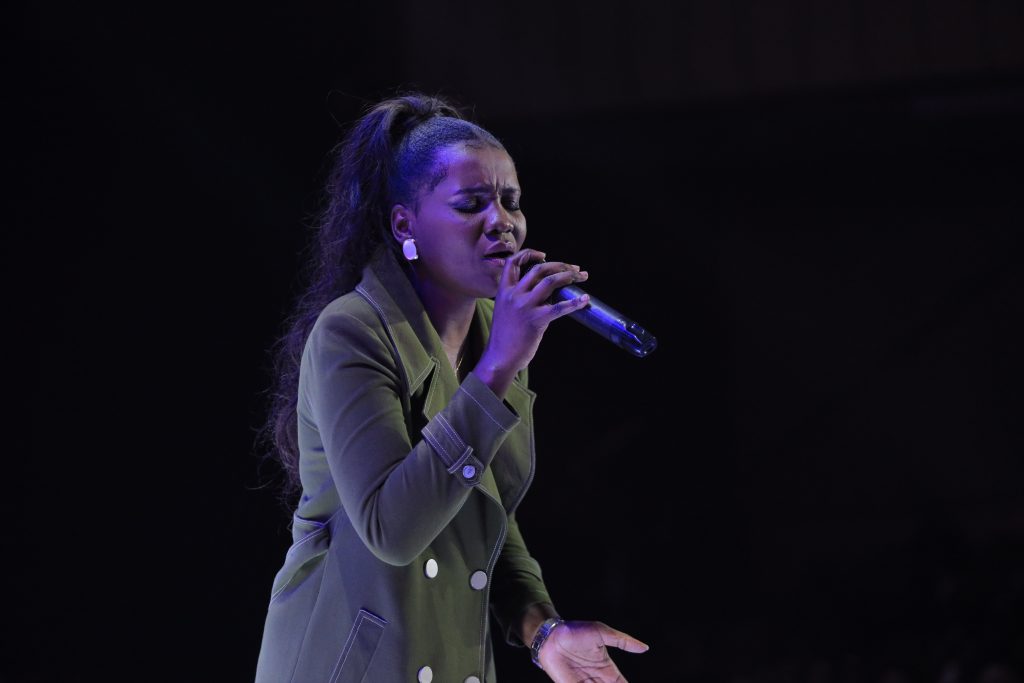
The night’s performers were Kenneth Mugabi, Roberto from Zambia, Gospel Musician – Eli Bulamu, Zulanda, Naava Grey, Ykee Benda, Winnie Nwagi, Fik Fameica, Bebe Cool, HiP Hop Stars – St.Nelly-sade, Tushi Nabakyala, Vics De Luga Phoenix, Tarley, Uganda Police’s Afande Miah and Afande OJ, Trojans Dancers, Gagamel Band and RA 256 Band.
Wesley King of Radio was the event host while Lady Bezo was the event announcer. Production, Stage and Sound was done Fenon.
The 2022 HiPipo Music Awards were organized by HiPipo, supported by partners – Level One Project, Ideation Corner, Nonda Coffee, Enimiro, EJazz Radio, Fressco, PesaJet, My Doctor, Owaraga, MET Media, RIO ART Films, and CHESS GIN and sponsored by GOD.
The project ran under two hashtags – #LevelOneProject and #HiPipoMusicAwards
2022 HiPipo Music Awards Winners’ List.
Youth Leadership Empowerment – Chris Johnz (Mayor Luweero Town and Musician).
Best Regional Song – Yin ilo by Profesa Maros.
East Africa Super Hit – Nkwata Bulungi (Bailamos) by Sheebah.
East Africa Super Video – Oka By Diamond Platnumz Ft. Mbosso.
Breakthrough Artist – Pinky.
Most Viral Song – Tusimbudde by Gravity
Africa Best Act – Calm Down by Rema
Video of the Year – Kabisi Ka Ndagala by David Lutalo
MTN Uganda and MTN MoMo were the biggest winners at the 2022 Digital Impact Awards Africa, with the two sister companies bagging the biggest accolade of the night; the Digital Brand of the Year – Diamond Accolade. Centenary Bank came second and took home the Gold Prize.
MTN Uganda and MTN MoMo’s overall victory ended the four years long uninterrupted banks’ dominance for this category. In both 2020 and 2021, Standard Chartered Bank won Digital Brand of the year while in 2019, Stanbic Bank won Digital Brand of the Year. In 2018, it was won by Centenary Bank.
While handing over the awards to the winners, Hon. Eng. David Karubanga, the Patron of HiPipo, Member of Parliament Kigorobya County and Chairperson Committee of Physical Infrastructure at the Uganda Parliament thanked all companies that are spearheading Uganda’s digital and financial inclusion journey.
“I am happy to see the progress that the country is making on matters of digital and financial inclusion. The efforts of the government and the private sector are all contributing to this success. The Digital Impact Awards Africa continue to play a key awareness and appreciation role,” Hon Karubanga said, adding;
“I thank HiPipo and its partners for being consistent. Even in a bigger way, I congratulate all the winners and encourage them to continue innovating for the betterment of our people.”
Now in the ninth consecutive edition, the Digital Impact Awards Africa is a platform that promotes Digital Inclusion, Financial Inclusion and Cyber Security. The Awards recognize and celebrate stakeholders that are spearheading the use of digital mediums to serve communities.
The Digital Impact Awards Africa celebrate digital excellence across the continent; big or small, local or international.
The 2022 edition was part of the broader Digital and Financial Inclusion summit held at Kampala Serena Hotel on Friday 18th November.
The summit brought together C-Level executives and stakeholders that are spearheading the scaling, adoption and usage of digital and financial services across Africa. It explored strategic trends and technologies that are shaping the future of Digital, ICTs and Business. Special attention is paid to the safety of customers’ funds and the security of platforms in the Digital Financial Services ecosystem.
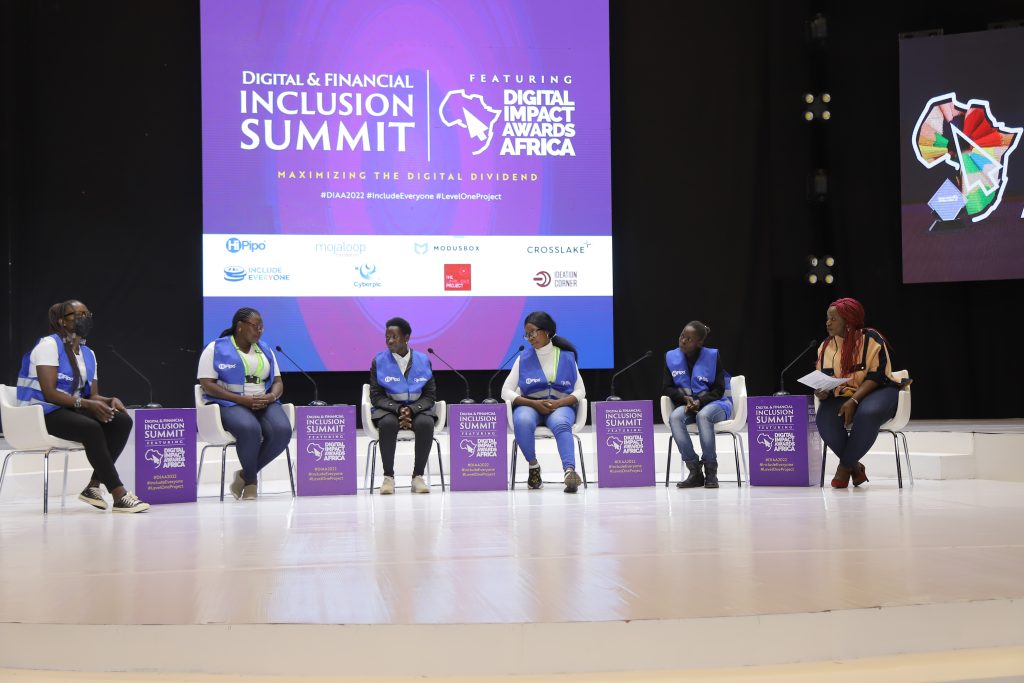
The summit discussed Uganda’s Digital and Financial Inclusion Journey, the disruptive impact of COVID-19 on the business ecosystem and what players are doing to recover, and Financial Inclusion for the people at the bottom of the pyramid. The summit had a special panel themed Women on the Wheels – Financial Inclusion for Women Boda Boda riders.
Both the Digital and Financial Inclusion Summit and the Digital Impact Awards Africa were presented by HiPipo in partnership with Level One Project, Mojaloop, PortX (formerly ModusBox), and Crosslake Technologies and supported by the Gates Foundation.
2022 Digital Impact Awards Africa Winners’ List.
Financial Inclusion Excellence.
Letshego Digital Mall – Gold
MTN MoMo Advance – Diamond.
Digital Banking Excellence.
Stanbic Bank – Gold.
Standard Chartered Bank – Diamond
Banking Innovation Excellence.
Craft Silicon | Mobile Banking Solution – ELMA – Gold
CenteMobile Loans| Centenary Bank – Diamond
Community/MFI Banking Innovation Excellence.
Pride Microfinance Limited – Gold
Centenary Bank – Diamond
FinTech Innovation Excellence.
Safecar by SafeBoda – Gold.
Kawu Smart Card by Kawu Uganda – Diamond
Financial Services Digital Excellence.
Comviva and Airtel Mobile Commerce Uganda Limited (AMCUL) – Silver
MTN MoMo – Gold.
Standard Chartered Bank – Diamond
Consumer Goods Digital Excellence.
Jude Color Solutions – Gold.
Jumia Uganda – Diamond
Utilities and Government Services Digital Excellence.
NSSF – Gold.
NWSC – Diamond
Technology Services Digital Excellence.
Airtel Uganda & Airtel Mobile Commerce – Gold.
MTN Uganda & MTN MoMo – Diamond
Digital Campaign Excellence.
NSSF Hi-Innovator – Gold.
Stanbic National Schools Championship – Diamond
Digital Brand of the Year.
Centenary Bank – Gold
MTN Uganda & MTN MoMo – Diamond.
Panel Discussions at the 2022 Digital and Financial Inclusion Summit.
Financial Inclusion for Women on Wheels; Women Boda Boda Riders.
The Panelists were:
Nyadoi Zurah.
Babra Brizila Asimo.
Atim Albright.
Jenifer Kia.
Angwech Dillish.
Instant and Inclusive Payment Systems (IIPS): Why are Instant and Inclusive Payment Systems (IIPS) important? How do we build National Instant and Inclusive Payments Systems?
The Panelists were:
Mercy Nekesa – Founder and CEO, Sundetails by Raining Vegetables.
Moses Rutahigwa – Head, Consumer, Private and Business Banking, Standard Chartered Bank Uganda.
Edgar Mugume – Head of Business Development, Craft Silicon
Paul Ekudu – Executive Director, Pegasus Technologies.
Winning from the Boardroom; What are C-Level Executives and Business Leaders doing to ensure that Digital and Financial Inclusion is achieved. What are they doing to bring onboard the least included groups particularly; Women, Youth, PWDs and Informal Traders?
The Panelists were:
Irene Kaggwa Sewankambo – Ag. Executive Director UCC.
Damali Ssali – Chief Programmes and Projects Officer PSFU.
Anna Nambooze – Country Director for Uganda and South Sudan, TradeMark East Africa.
Lydia Nakamya – Head, Digital Banking and Partnerships, Standard Chartered Bank.
FINANCIAL SYSTEMS FOR THE POOR: An African continent where poor people, people at the bottom of the pyramid can capture opportunities and build resilience through financial services. The Ugandan point of view!
The panelists were:
Nelson Kituuka – Managing Director, Card Pesa.
Vincent Tumwijukye – Chief Executive Officer, FutureLink Technologies.
Japhet Aritho – Managing Director, Airtel Mobile Commerce Uganda Limited.
Beatrice Mawemuko – Head Strategic Partnership, MTN Mobile Money.
Andrew Ssemaganda- General Manager Strategy, Centenary Bank.
The pathway to the decarbonization of urban public transport will unequivocally contribute directly to the accomplishment of several UN Sustainable Development Goals (SDGs). Such as the promotion of affordable and clean energy and sustainable cities and communities. Cognizant of the adverse effects of climate change on Uganda, KaCyber has prioritized partnerships that will bring positive impact to the climate change fight.
The introduction of KaCyber’s E-Ticketing and payment system to the country’s only Zero emissions transport provider brings great benefits to Kalita Expeditions bus operations in terms of better data collection to fully understand passenger travel patterns. It also makes boarding faster, easier and more efficient for drivers and passengers, especially women.
KaCyber’s Electronic Ticketing and Payment System is a unique opportunity to achieve sustainable mobility in Kampala. The partnership will see KaCyber Technologies provide electronic ticketing and payment services for the electric buses and manage the ticketing operations on the Kayoola EVS to ensure business transparency and organized revenue collection for the mass transit bus operations by Kalita Expeditions on different routes within Great Kampala Metropolitan (GKMA) region, and beyond.
“Together, KaCyber Technologies, Kiira Motors Corporation (KMC) and Kalita Expeditions can help promote and decarbonize the Great Kampala Metropolitan (GKMA) in years to come. Since Kalita in partnership with Kiira Motors has introduced more environmentally friendly buses on our roads, we will greatly reduce harmful vehicular emissions that pose a health risk to all Ugandans.” – said Albert Akovuku, Director Production at Kiira Motors Corporation.
Albert further said the provision of Bus Ticketing Technology by KaCyber to run alongside the Kayoola EVS buses is a welcome business opportunity for purposes of improving operational efficiency. This will go a long way in improving services, increasing revenue and creation of jobs.
With a vision to build an inclusive and greener Uganda through automotive mobility, Kiira Motors has been a critical stakeholder in ensuring the advancement of electric cars that decarbonize the environment.
“While the challenges in the transportation sector might be many, we are happy to now have a technology partner with dexterity to organize us, and ensure that each stakeholder gets a fair share of their return on investment” reiterated Charles Baguma, the Managing Director Kalita Expeditions, the bus operator of the Kayoola EVS.
According to Innocent Orikiriiza, the Founder and Team Lead at KaCyber Technologies, this partnership forms part of the company’s strategy to promote a greener African transport ecosystem and contribute heavily to KaCyber’s vision of making sustainable and seamless mobility a reality in Africa.
“Working with like-minded partners like Kalita and Kiira Motors will help us achieve our ESG – sustainability goals. Through this partnership, we look forward to playing a driving role in green transport innovations in Uganda’’. said Innocent.
KaCyber will be a crucial partner in providing technologies to enable bus operators to improve their revenue collections and visualize their business on the go. It will also be a key collaborator in giving operational and technological feedback to bus owners and Kiira Motors. This will then ensure the integration of local content into the public transport ecosystem and value chain.
Following the conclusion of the entries’ submission and verification process, HiPipo is pleased to unveil the nominees of the 2022 Digital Impact Awards Africa.
Digital Impact Awards Africa is a platform that promotes Digital Inclusion, Financial Inclusion, and Cyber Security. The Awards recognize and celebrate stakeholders that are spearheading the use of digital mediums to serve communities.
The Digital Impact Awards Africa celebrate digital excellence across the continent; big or small, local or international.
The 2022 Digital Brand of the Year category will see five finance and technology giants go head to head as Centenary Bank is nominated alongside Standard Chartered Bank, Stanbic Bank, MTN Uganda, and Airtel Uganda while the Digital Campaign Excellence category has the Stanbic National Schools Championship drawn against Mpola Enjoyments by Bell Lager, Bolingo Extra by YOTV Channels in partnership with MTN Uganda and NSSF Hi-Innovator. Altogether there are 11 categories this year.
Voting in the 2022 Digital Impact Awards Africa will run until 18th November 9am. While all nominees are winners, the overall winner per category will be determined by a combined public-jury vote.
The Awards now in their 9th consecutive edition will be held on Friday 18th November 2022 at Kampala Serena Hotel as part of the annual Digital and Financial Inclusion summit.
The summit explores strategic trends and technologies that are shaping the future of Digital, ICTs, and Business. Special attention is paid to the safety of customers’ funds and security of platforms in the Digital Financial Services ecosystem.
This year’s summit will bring together C-Level executives that are spearheading the scaling, adoption, and usage of digital and financial services across Africa. The summit will discuss the disruptive impact of COVID-19 on the business ecosystem and what players are doing to recover.
Speakers will come from multinationals, large enterprises, small and mid-sized enterprises, and start-ups. Additionally, the summit will offer a platform for informal businesses (like market vendors, smallholder farmers, sole proprietors, public transporters, and e-commerce delivery agents, etc.)
The summit and awards are using these 3 official tags; #IncludeEveryone, #DIAA2022, and #LevelOneProject.
Here is the full list of the 2022 Digital Impact Awards Africa nominees.
Financial Inclusion Excellence.
Letshego Digital Mall
MTN MoMo Advance
Group Loans for VSLAs by True African Limited
Airtel Quick Loan in partnership with Housing Finance Bank and YABX
MSacco by Future Link Technologies
Digital Banking Excellence.
Stanbic Bank
Centenary Bank
Standard Chartered Bank
ABSA Bank
United Bank for Africa Uganda Limited (UBA)
Banking Innovation Excellence.
Trust Mobile Loan | Finance Trust Bank
3600 Rewards Program | Standard Chartered Bank
FlexiPay | Stanbic Bank Uganda
CenteMobile Loans| Centenary Bank
Eazzy Banking | Equity Bank
Craft Silicon | Mobile Banking Solution – ELMA
Community/MFI Banking Innovation Excellence.
Future Link Technologies
Pride Microfinance Limited
Centenary Bank
Post Bank Limited
Letshego
Finance Trust Bank
FinTech Innovation Excellence.
Working Capital and Emergency Loans by Card Pesa
Digital Ticketing for Transport services by KaCyber Technologies
Sup Money by Jpesa
Kawu Smart Card by Kawu Uganda
Safecar by SafeBoda
Jumia Food Mart by Jumia Uganda
Bolingo Extra by YOTV Channels in partnership with MTN Uganda
Financial Services Digital Excellence.
Standard Chartered Bank
Comviva and Airtel Mobile Commerce Uganda Limited (AMCUL)
Centenary Bank
Stanbic Bank
United Bank for Africa Uganda Limited (UBA)
MTN Mobile Money Uganda
Consumer Goods Digital Excellence.
Riham Group
Jude Color Solutions
Movit
Club Pilsener
Café Javas
Bell Lager
Jumia Uganda
Utilities and Government Services Digital Excellence.
Ministry of Health
NSSF
NWSC
UMEME
URA
Technology Services Digital Excellence.
Airtel Uganda
Huawei Technologies
MTN Uganda
TECNO Mobile
Cente Tech
Digital Campaign Excellence.
Stanbic National Schools Championship
Mpola Enjoyments by Bell Lager
Bolingo Extra by YOTV Channels in partnership with MTN Uganda.