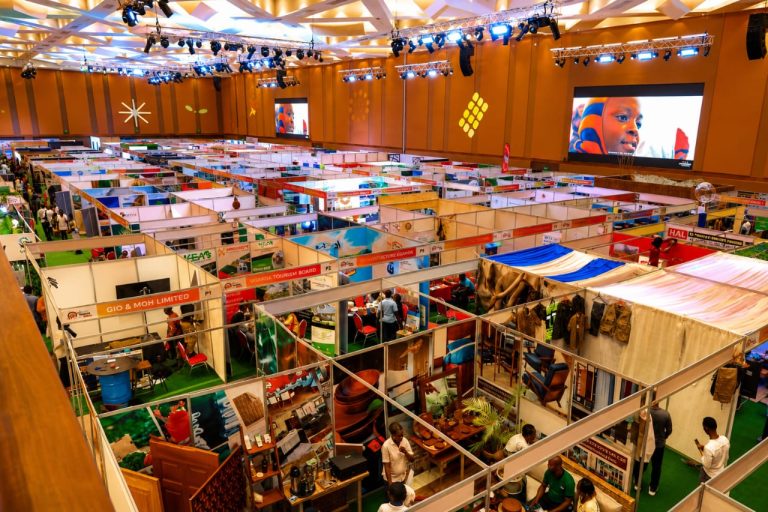
The Pearl of Africa Tourism Expo (POATE) 2026 is not simply opening its doors to another tourism exhibition.
It is opening the doors to a decade of transformation.
From May 21 to May 23, 2026, Uganda will host the 10th edition of the Pearl of Africa Tourism Expo at the Speke Resort Convention Centre under a theme that feels deeply personal to today’s global traveler: “Wanderlust — It’s Your Time to Thrive.”
And perhaps no phrase captures Uganda’s tourism identity more accurately.
Because wanderlust is no longer just about travel. It is longing. Curiosity. The emotional desire to discover places that still feel authentic in a world increasingly shaped by algorithms, artificial experiences, and over-commercialized tourism.
Uganda has quietly become one of those places.
Unlike destinations carefully designed for brochures and social media trends, Uganda greets travelers like a feeling rather than a product. It offers living encounters with nature, culture, rhythm, silence, and raw beauty that still feel deeply human.
That is what makes this year’s Pearl of Africa Tourism Expo feel different.
Ten years ago, POATE began primarily as a platform to showcase Uganda to the world. Today, it stands among East Africa’s most influential tourism gatherings, bringing together international buyers, tour operators, hospitality leaders, travel creators, investors, conservationists, media professionals, and storytellers searching for the future of African tourism.
But beyond exhibition halls, networking sessions, and destination showcases lies something far more powerful:
Emotion.
Because tourism has never truly been about movement alone. It has always been about meaning.
People travel searching for something they often cannot explain. Sometimes it is adventure. Sometimes healing. Sometimes perspective. Sometimes escape. And sometimes people travel simply because somewhere deep inside them exists the hope that the world still contains places capable of making them feel alive again.
Uganda has become one of those places.
At a time when many global destinations feel overcrowded, filtered, and emotionally predictable, Uganda still feels rare. The landscapes remain wild. The encounters remain personal. The beauty still arrives unexpectedly.
One moment, a traveler stands face-to-face with mountain gorillas in the ancient forests of Bwindi Impenetrable National Park. Hours later, they are watching golden light disappear across the savannah plains of Queen Elizabeth National Park. Somewhere between the crater lakes, the rolling green hills, the thunder of Murchison Falls, roadside conversations, and Kampala’s vibrant rhythm, visitors begin to understand why Uganda leaves such a lasting emotional imprint.
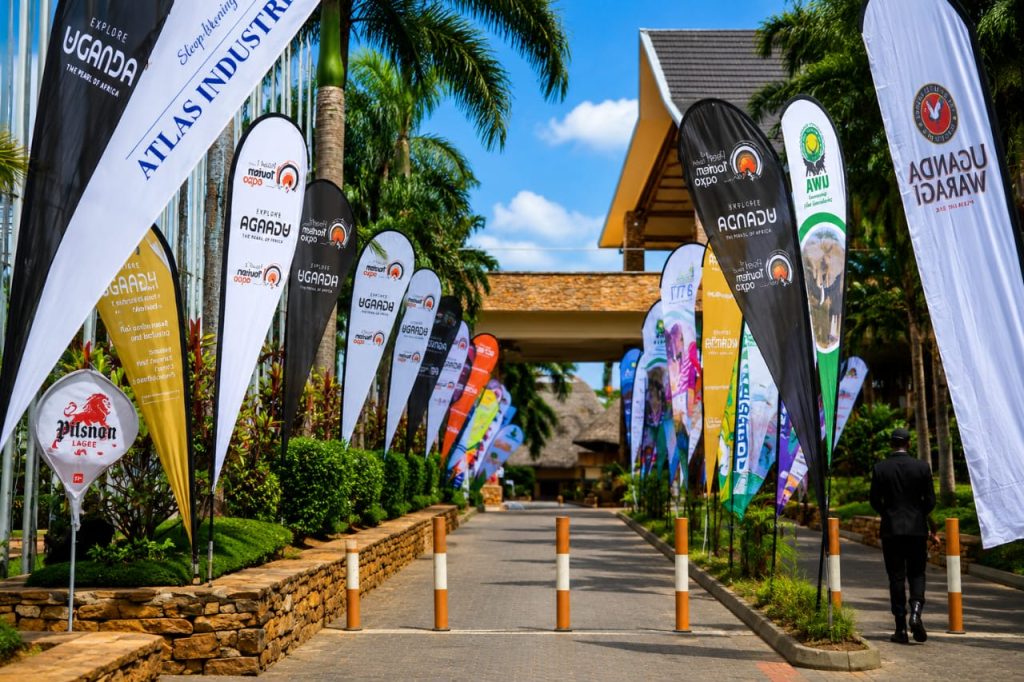
Uganda is not experienced in a single moment.
It unfolds slowly.
And perhaps that is the true meaning behind wanderlust — not simply the desire to travel, but the desire to rediscover wonder.
This 10th anniversary arrives at a defining moment for African tourism itself. Across the continent, destinations are shifting away from traditional sightseeing toward experience-driven travel built around storytelling, authenticity, conservation, wellness, and cultural connection.
Modern travelers no longer want to simply see destinations.
They want to emotionally enter them.
That shift creates enormous opportunity for Uganda.
Because Uganda’s greatest tourism advantage has never been wildlife alone. It has always been emotional diversity. Few destinations in the world combine adventure, intimacy, culture, spirituality, conservation, and human warmth as naturally within one journey.
And as global tourism evolves, authenticity itself is becoming luxury.
This new tourism era is also transforming how destinations market themselves. Today, a cinematic travel documentary, a viral safari reel, a powerful photograph, or an emotionally written story can shape global travel decisions faster than traditional advertising campaigns ever could.
Storytelling has become one of tourism’s most valuable currencies.
The Pearl of Africa Tourism Expo understands this shift.
POATE 2026 is not merely celebrating destinations. It is celebrating narrative. It recognizes that tourism is no longer only an economic sector. Tourism is identity projection. It is soft power. It is cultural diplomacy. It is how nations emotionally introduce themselves to the world.
And Uganda’s introduction continues to grow stronger.
Tourism remains one of Uganda’s most important economic pillars, supporting livelihoods across hospitality, transportation, conservation, media, entertainment, tour guiding, handicrafts, and local communities. Behind every safari vehicle, lodge booking, cultural performance, and travel experience exists an ecosystem of people whose lives are directly connected to the visitor economy.
When tourism grows sustainably, communities grow with it.
Yet beyond economics, this expo also carries symbolic significance.
For ten years, POATE has quietly helped reposition Uganda within global tourism conversations. It has helped move the country beyond outdated perceptions toward a modern African tourism identity rooted in beauty, conservation, creativity, experience, and emotional storytelling.
And perhaps that is its greatest achievement of all:
Uganda no longer feels like a hidden destination pleading to be discovered.
It increasingly feels like one of Africa’s most emotionally compelling journeys waiting to be experienced.
As delegates, investors, creators, and travelers gather in Kampala this May, Uganda enters this milestone edition carrying something more powerful than polished branding campaigns or carefully crafted slogans.
It carries wonder.
The kind of wonder that still lives in mist-covered forests, untamed landscapes, human connection, and stories not yet fully told.
Because long after flights depart and exhibition halls empty, the destinations people remember forever are never simply the places they visited.
They are the places that changed how they felt about the world.
The writer is John Kennedy Ssebadduka, CEO and Founder of Avenoir Safaris.