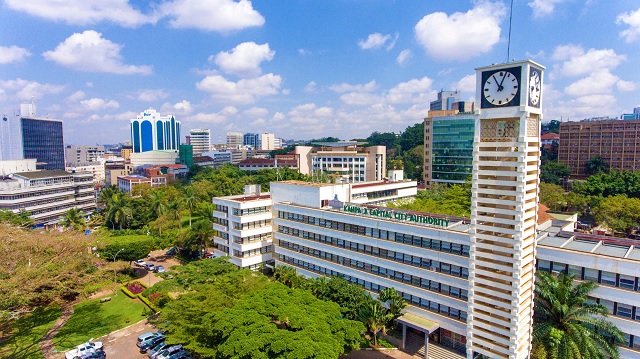
The Kampala Capital City Authority (KCCA) has moved to tighten attendance at ongoing and upcoming swearing-in ceremonies in Kampala following heightened Ebola concerns in Uganda and the wider region.
The restrictions come at a time when Uganda is on high alert after health authorities confirmed an imported case of the Ebola Bundibugyo strain linked to neighboring Democratic Republic of Congo (DRC). The patient, a 59-year-old Congolese national, reportedly died after being admitted to Kibuli Muslim Hospital in Kampala.
City authorities say the decision to limit attendance is part of broader preventive measures aimed at reducing overcrowding during official functions and minimizing the risk of transmission.
According to officials, only invited guests, essential participants, accredited officials, and authorized personnel will be allowed access to swearing-in venues. Organizers have also been directed to enforce strict public health measures, including temperature screening, handwashing facilities, sanitization, and controlled entry points.
The move comes shortly after Uganda hosted large-scale inauguration activities, including President Yoweri Museveni’s swearing-in ceremony at Kololo Ceremonial Grounds, which attracted thousands of attendees and dozens of foreign delegations. Government officials had earlier projected attendance of between 30,000 and 40,000 people during the national ceremonies.
Health experts have warned that mass gatherings remain a major concern, especially as Uganda shares active movement corridors with eastern DRC, where Ebola cases continue to rise. Africa CDC recently called for urgent regional coordination among Uganda, DRC, and South Sudan to strengthen surveillance, contact tracing, and outbreak response measures.
The latest developments have already begun affecting public events across Uganda. Authorities recently announced the postponement of the 2026 Uganda Martyrs Day celebrations at Namugongo over fears of cross-border Ebola transmission, with President Museveni emphasizing that “the protection of life must come first.”
KCCA officials say the city remains committed to ensuring government functions continue safely while prioritizing public health. Residents have been urged to remain vigilant, observe hygiene guidelines, report suspected symptoms early, and avoid unnecessary crowding.
Uganda’s Ministry of Health continues to monitor the situation closely as response teams intensify screening, surveillance, and community sensitization efforts to prevent further spread of the disease.