Home Blog Page 3

The Grandmother Who Stopped Feeding Darkness With Her Hard-Earned Money

A #100DaysofSolar Human Impact Story from Kasenge Nakawuka, Uganda

Every morning in Kasenge Nakawuka, Joyce Nantege rises early to tend her garden and fight quietly for the survival of her family.

At 64 years old, the grandmother of five carries the responsibility of holding together a household of eight people through hard work, sacrifice, and determination. Every harvest matters. Every coin matters. And every decision she makes is tied to protecting the future of the children depending on her.

But before Solar M7 arrived, darkness kept stealing from that future.

When the sun disappeared, the grandchildren’s education disappeared with it. Books closed early. Revision stopped. Dreams waited helplessly for daylight. And while the children lost valuable study time, Joyce watched her small garden income slowly disappear into candles and kerosene.

Night after night, she spent precious money just trying to survive the darkness.

Yet even after paying, the house remained dim, smoky, and unsafe.

For Joyce, every flame felt like a thief.

Stealing her savings. Stealing opportunity. Stealing hope. Then Solar M7 arrived. And suddenly, the cycle began to break.

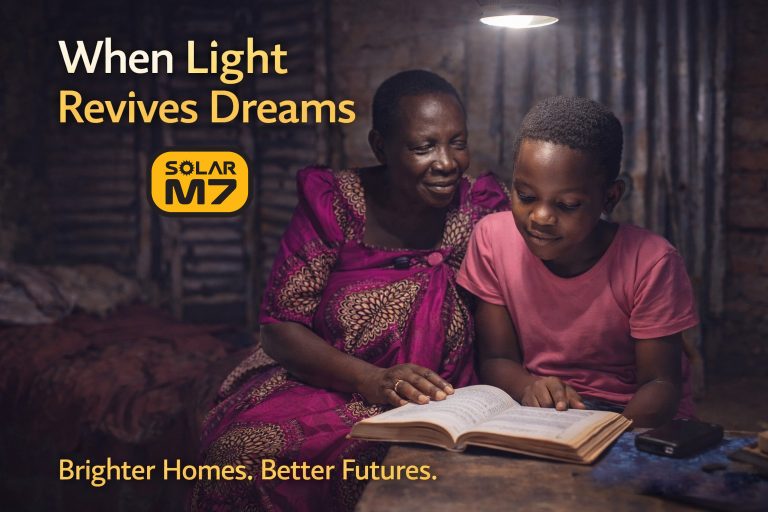
Today, her home glows with clean, reliable light after sunset. The grandchildren now sit together reading freely into the evening, their education no longer interrupted by darkness. Her phone charges safely from home. And the money once spent constantly on candles and kerosene can now support more important needs, especially school fees.

For Joyce, the relief feels enormous.

“Before Solar M7, we struggled every night,” Joyce shared during her interview. “The children could not study well, and the little money I earned kept disappearing on candles and kerosene. Now the children learn comfortably, and I can save for their education.”

According to Doreen Nanfuka, elderly caregivers in rural communities often sacrifice deeply to keep children in school despite overwhelming financial pressure.

“When you meet grandmothers like Joyce, you understand how much resilience exists inside these households,” Doreen explained. “Reliable light helps protect both education and financial stability for families already carrying so much responsibility.”

Innocent Kawooya says stories like Joyce’s demonstrate how energy access directly affects education, household economics, and long-term opportunity.

“When families stop losing money to unsafe lighting, they regain the ability to invest more into learning, wellbeing, and the future of their children,” he noted. “That is where sustainable transformation begins.”

Today, nights inside Joyce’s home no longer feel defeated by darkness.

Books stay open. Phones stay connected. Savings remain inside the household. And in a family where candles once consumed both money and hope, Solar M7 is now helping revive something deeply important.

Education. Opportunity. And dreams that no longer have to end at sunset.

Watch the full story of Joyce Nantege from Kasenge Nakawuka, Uganda across our platforms:

YouTube
TikTok
Instagram
LinkedIn
X/Twitter

#100DaysofSolar #SolarM7 #IncludeEveryone #Education #EnergyAccess #HumanImpact #Nakawuka #Uganda #CleanEnergy #HiPipo
Government Reassures Ugandans on Stable Fuel Supply Amid Global Oil Market Disruptions

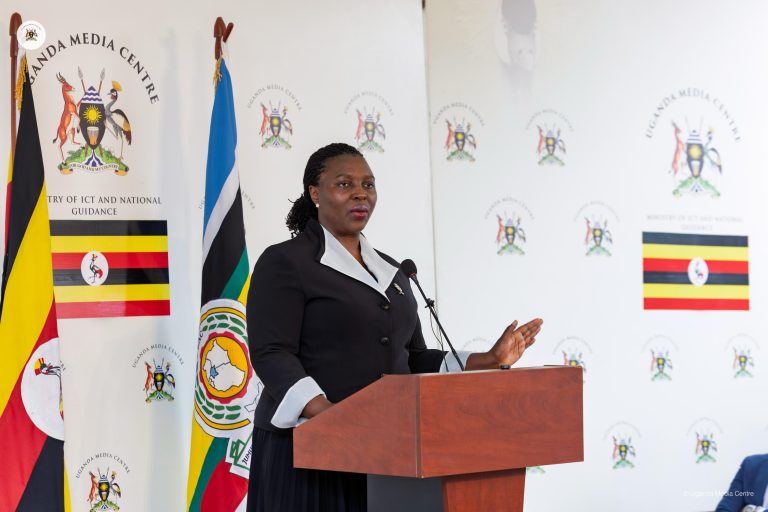
The Ministry of Energy and Mineral Development has assured Ugandans that the country’s petroleum products supply remains stable despite ongoing global disruptions affecting international oil markets and fuel prices.

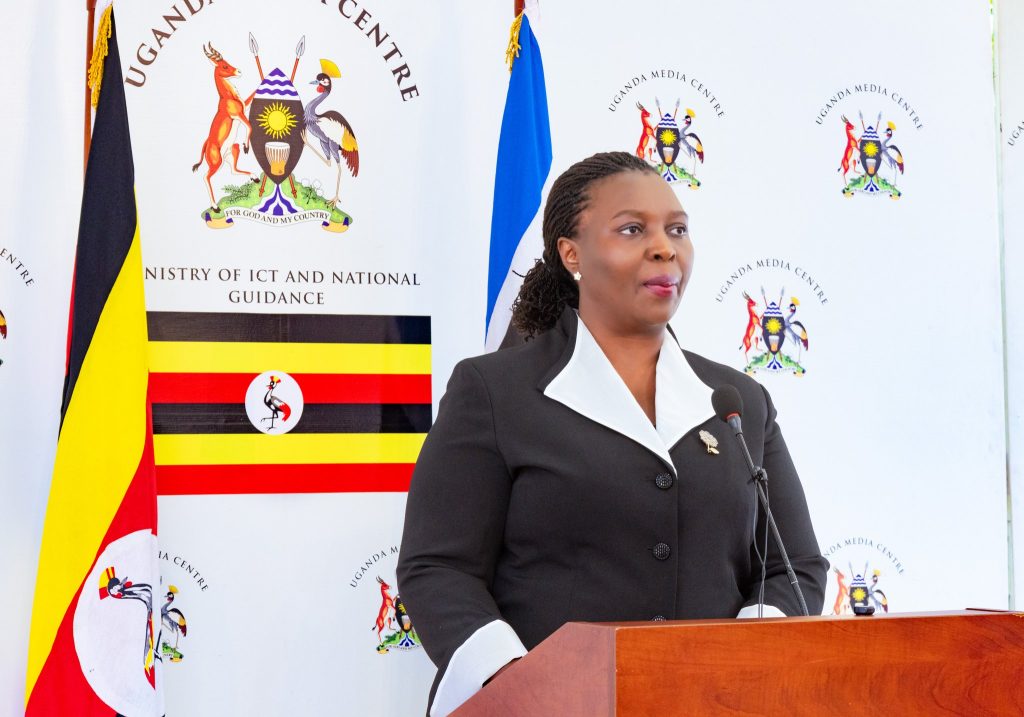
Speaking during a press briefing at the Uganda Media Centre, the Permanent Secretary at the Ministry of Energy and Mineral Development, Eng. Irene Bateebe, said Uganda continues to maintain adequate fuel stock levels even as geopolitical tensions in the Middle East continue to disrupt global oil supply chains.

According to Eng. Bateebe, instability linked to the Strait of Hormuz has significantly affected international petroleum trade, increasing global fuel prices, freight charges, and insurance costs.

She explained that East African countries, including Uganda, have been affected because much of the region’s petroleum imports originate from the Arabian Gulf.

However, she emphasized that Uganda has managed to maintain uninterrupted fuel supply through strategic diversification of import sources.

“The Uganda National Oil Company, together with international partners including Vitol, has diversified supply sources beyond the Gulf region to include West Africa, Europe, India, and the Americas,” she said.

The Permanent Secretary acknowledged recent increases in pump prices across the country, attributing them to rising global importation costs, exchange rate fluctuations, supply constraints, and increased regional demand.

She also noted that Uganda’s comparatively lower fuel prices had temporarily attracted cross-border demand from neighboring countries, creating short-term supply pressure in some border districts before stability was restored.

Despite the price increases, government urged the public not to panic or engage in unnecessary fuel hoarding.

Eng. Bateebe stressed that Uganda continues to receive regular fuel deliveries through both Kenyan and Tanzanian transport corridors and warned the public against misinformation circulating on social media regarding alleged shortages.

She further clarified that Uganda operates a liberalized fuel market where pump prices are determined by Oil Marketing Companies, although government continues monitoring the sector to prevent smuggling, unfair pricing practices, and consumer exploitation.

Beyond immediate supply concerns, government also outlined several long-term investments aimed at strengthening Uganda’s energy security and petroleum infrastructure.

Among the projects highlighted is the ongoing expansion of the Jinja Storage Terminal from 30 million litres to 40 million litres. Government also cited the operational Mahathi Infra Terminal on Lake Victoria, which has a storage capacity of 70 million litres and is helping improve regional petroleum logistics and supply efficiency.

Eng. Bateebe additionally revealed progress on the Kampala Storage Terminal project in Mpigi District, which will eventually form part of Uganda’s national refined products distribution network linked to the Hoima refinery pipeline system.

The proposed facility is expected to have a storage capacity of 320 million litres.

On downstream petroleum developments, the Ministry confirmed continued progress on the Uganda Refinery Project in Kabaale, Hoima District. The planned 60,000 barrels-per-day refinery, estimated at approximately US$4 billion, is expected to significantly reduce Uganda’s dependence on imported refined petroleum products.

According to government, the refinery project includes a 211-kilometre multi-products pipeline, storage infrastructure, and associated industrial facilities.

Officials say the refinery is expected to support industrialization, petrochemical production, fertilizer manufacturing, LPG development, employment creation, and regional trade growth.

The Ministry also announced progress in upstream petroleum exploration activities ahead of the Third Petroleum Exploration Licensing Round scheduled for the 2026/2027 financial year.

Government is additionally conducting new seismic surveys in the Kasurubani area to identify additional petroleum prospects.

On policy reforms, Eng. Bateebe disclosed that government has finalized the National Petroleum Policy 2025, which replaces the 2008 framework and aligns Uganda’s petroleum sector with emerging trends in commercialization, sustainability, regional integration, and the global energy transition.

She also confirmed completion of the Petroleum Supply (Liquefied Petroleum Gas Operations) Regulations, 2026, which are expected to strengthen safety standards, regulation, and quality assurance within Uganda’s LPG sector once officially gazetted.

The Permanent Secretary reaffirmed government’s commitment to ensuring long-term energy security, stable fuel supply, and maximum national benefit from Uganda’s petroleum resources.

She said continued investments in infrastructure, refining capacity, storage facilities, and exploration activities are positioning Uganda for greater energy resilience and future petroleum sector growth.

Pride Bank Launches GROW Project in Soroti to Boost Financial Inclusion

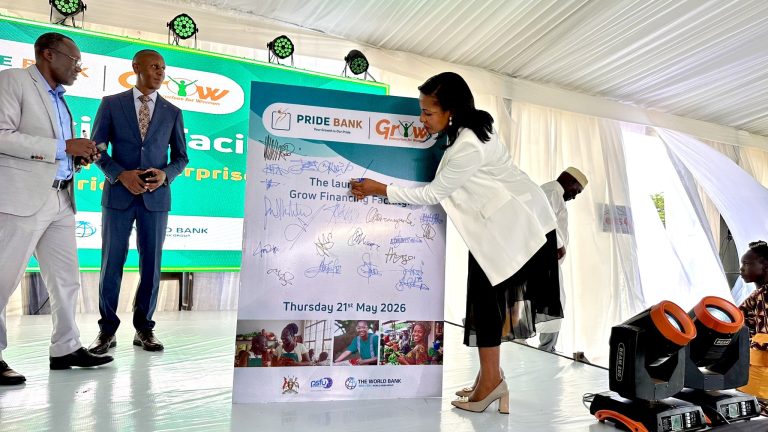
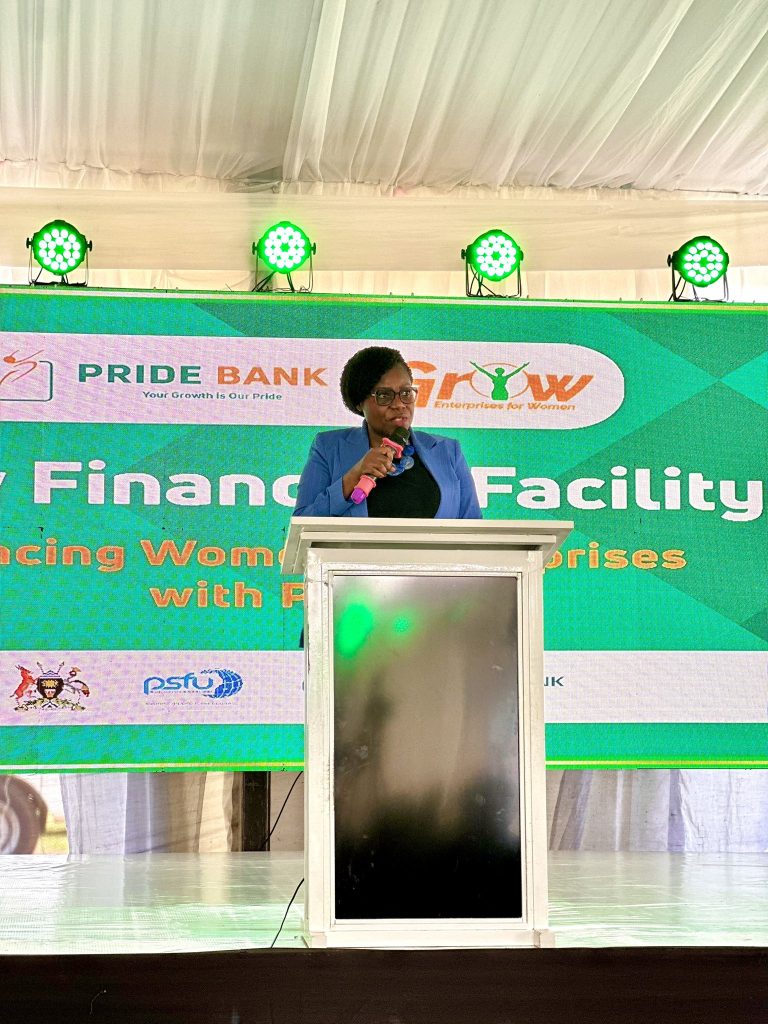
Pride Bank has launched GROW Project Financing Solution in Soroti City as part of efforts to deepen financial inclusion and expand access to affordable credit for small businesses, farmers, and entrepreneurs in Eastern Uganda.

The new loan product was unveiled during an event attended by local leaders, business owners, community representatives, and financial sector stakeholders, with bank officials describing it as a targeted solution designed to support enterprise growth and improve livelihoods.

According to Pride Bank, the Grow Loan is aimed at empowering underserved communities, particularly small and medium enterprises (SMEs), women entrepreneurs, youth-led businesses, and agricultural value chain players who often struggle to access formal financing.

Bank officials said the initiative aligns with the institution’s broader mission of promoting inclusive banking services and bringing more Ugandans into the formal financial system.

The launch in Soroti highlights the increasing focus financial institutions are placing on regional economic empowerment beyond Kampala and major urban centers. Eastern Uganda remains one of the country’s key agricultural and trade hubs, with growing demand for accessible financing among farmers, traders, SACCOs, and small-scale entrepreneurs.

Speaking during the launch, officials emphasized that access to credit remains one of the biggest barriers limiting business expansion for many Ugandans operating in the informal and SME sectors.

They noted that many small businesses possess growth potential but often lack collateral, financial records, or formal banking relationships required by traditional lending structures.

The Grow Loan, according to Pride Bank, is intended to provide flexible and practical financing solutions tailored to the realities of local businesses and emerging entrepreneurs.

The bank also reaffirmed its commitment to supporting government efforts aimed at improving household incomes, promoting entrepreneurship, and accelerating financial inclusion across the country.

Uganda has in recent years experienced significant growth in digital and community-based financial services, with banks and microfinance institutions increasingly developing products targeting previously underserved populations.

Industry analysts say expanding access to affordable credit remains critical for Uganda’s economic growth, especially within sectors such as agriculture, retail trade, and small-scale manufacturing, which employ a large portion of the population.

The launch also comes at a time when financial institutions are intensifying competition for customers in regional markets through customized lending products, agency banking, mobile money integration, and digital financial services.

Pride Bank recently transitioned from Pride Microfinance to a fully licensed banking institution, marking a major milestone in its evolution within Uganda’s financial sector.

Officials say the new Grow Loan product reflects the bank’s continued focus on building inclusive financial solutions capable of supporting grassroots economic transformation.

Local business owners and entrepreneurs who attended the launch welcomed the initiative, saying improved access to financing could help expand businesses, create jobs, and strengthen household incomes in the region.

Uganda Suspends DRC Flights, Border Transport Over Ebola Fears

0

The Government of Uganda has announced sweeping new measures aimed at containing the spread of Ebola Virus Disease (EVD), including the temporary suspension of flights between Uganda and the Democratic Republic of Congo (DRC), cross-border public transport, cultural gatherings, and weekly markets in high-risk border districts.

The resolutions were announced by the Permanent Secretary at the Ministry of Health, Dr. Diana Atwine, following a National Task Force on Ebola Virus Disease meeting convened by Vice President Jessica Alupo earlier today.

According to the Ministry of Health, the measures form part of intensified national efforts to prevent cross-border transmission as Ebola concerns continue to rise in the region.

Among the most significant directives is the temporary suspension of all flights between Uganda and the DRC, which government says will take effect within 48 hours. Authorities also suspended cross-border public passenger transport services for four weeks, including ferries operating on River Semliki, public buses, and other passenger transport linking the two countries.

However, government clarified that the restrictions will not affect transportation of food supplies and goods.

Officials also announced the temporary suspension of all cultural celebrations and commemorative events that attract large crowds within districts bordering the DRC. Weekly markets operating in border sub-counties within high-risk districts have equally been suspended for the next four weeks.

Government says the restrictions are intended to reduce mass gatherings and minimize opportunities for possible transmission.

At the same time, authorities directed schools, prisons, hotels, places of worship, and non-weekly markets in border districts to strictly enforce Standard Operating Procedures (SOPs) issued by the Ministry of Health.

Despite heightened Ebola concerns, government confirmed that schools will reopen on schedule, with strict adherence to health guidelines expected from school administrators. The Ministry of Health added that nearby health facilities will support schools, while additional guidance will be communicated in the coming days.

The National Task Force also resolved to intensify nationwide public sensitization campaigns on Ebola prevention and infection control through radio, television, social media, religious institutions, cultural institutions, and local government structures.

Health authorities further announced plans to strengthen screening, testing, and treatment capacity along the Uganda-DRC border based on ongoing risk assessments.

Government additionally ordered enhanced death reporting across the country, with particular emphasis on high-risk districts along the Uganda-DRC border and the Kampala Metropolitan Area.

Security agencies have also been directed to strengthen patrols along porous border points to minimize illegal cross-border movement. Officials emphasized that only essential movement for people originating from the DRC will be permitted, and only through gazetted and designated entry points.

The Ministry of Health urged the public to remain calm but vigilant, strictly follow all health guidelines, and immediately report suspected Ebola symptoms to the nearest health facility.

The latest measures come as Uganda intensifies surveillance and containment efforts amid growing regional concern over Ebola transmission linked to outbreaks in eastern DRC.

Uganda Issues Strict Ebola SOPs for Schools Ahead of New Term

0

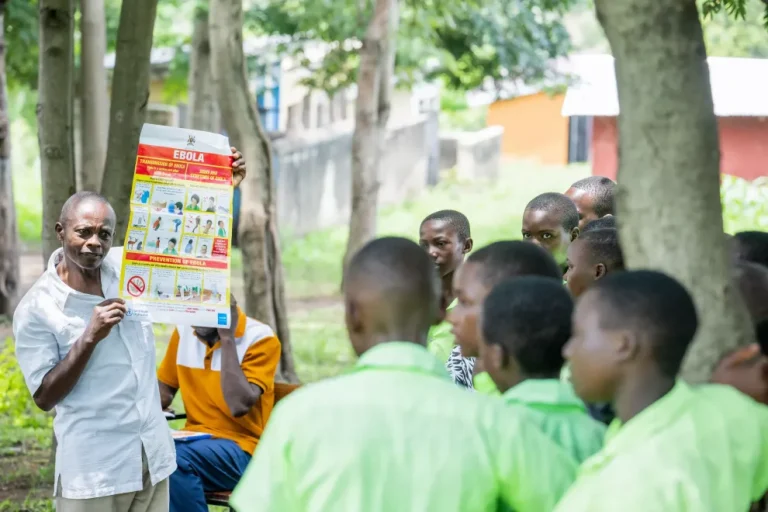
As schools prepare to reopen for the new academic term, Uganda’s Ministry of Health has released strict Standard Operating Procedures (SOPs) aimed at protecting learners, teachers, and school communities from the ongoing Ebola threat.

The new guidelines come amid heightened national and regional concern following confirmed Ebola cases linked to the Bundibugyo strain in Uganda and the Democratic Republic of Congo (DRC). Health authorities say schools remain high-risk environments because of close interaction among learners, staff, parents, and visitors.

Under the new SOPs, schools across the country will be required to strengthen hygiene measures, screening systems, surveillance, and emergency response protocols to minimize the risk of transmission.

The Ministry of Health directed all schools to establish handwashing facilities with running water and soap at strategic points including school entrances, classrooms, dormitories, dining halls, staff rooms, and toilets. Mandatory handwashing for learners, staff, and visitors will also be enforced throughout the school day.

Schools have additionally been instructed to set up temperature screening points at entrances and deny access to anyone showing Ebola-related symptoms such as fever, vomiting, unexplained bleeding, weakness, or severe headache.

Authorities are also discouraging physical contact within school environments, including handshakes, hugging, and sharing personal items. Classrooms and dormitories are expected to remain well ventilated, while schools have been asked to regularly disinfect surfaces, toilets, bathrooms, vehicles, and other frequently touched areas.

One of the major directives involves preparedness for suspected cases. Schools are now required to designate temporary isolation areas where learners or staff showing Ebola-like symptoms can be separated from others before health authorities intervene.

The Ministry further instructed schools to maintain updated emergency contact information for nearby health facilities and district surveillance teams to ensure rapid reporting and response.

According to health officials, the SOPs are intended not only to protect learners but also to avoid widespread disruptions to the education system should the outbreak escalate.

“Schools are environments where learners, teachers, support staff, parents and visitors interact closely, making them vulnerable to the spread of infectious diseases if preventive measures are not observed,” part of the Ministry guidance states.

The measures come as Uganda intensifies national Ebola containment efforts following the confirmation of imported cases connected to the outbreak in eastern DRC. The World Health Organization recently classified the outbreak as a Public Health Emergency of International Concern, warning of the risk of cross-border transmission due to high population movement in the region.

Health authorities say the Bundibugyo strain currently circulating poses additional concern because there are no fully approved vaccines specifically designed for it.

The latest school guidelines are part of broader national preventive measures that also target public gatherings, places of worship, transportation hubs, and social events. Government recently directed organizers of mass gatherings to seek prior health clearance and implement strict preventive protocols during events.

Officials say public cooperation will remain critical in controlling the outbreak.

Parents, teachers, and school administrators have been urged to remain vigilant, report suspected symptoms immediately, and reinforce public health awareness among learners as Uganda works to prevent further spread of the disease.

Shakira personally invites Ghetto Kids to perform at the FIFA World Cup finals halftime show

It started on the dusty streets of Kampala. Later this year, it will explode on the biggest sporting stage on earth.

Uganda’s own Ghetto Kids the dance troupe that turned raw talent and viral energy into an international brand have just received an invitation that transcends entertainment. Music superstar Shakira has personally confirmed that the group will join her for the FIFA World Cup finals halftime show.

In a video message addressing fans participating in the viral “Dai Dai” dance challenge, Shakira made it official.

“I’ve been seeing amazing creations to ‘Dai Dai,’ the official World Cup song, and I’m gonna need dancers for the halftime show at the finals,” she said.

“That’s why I’ve decided to invite as many of you as I can to dance with me at the finals. So I’ve already invited the Ghetto Kids from Uganda but I really, really would like to see all of your creations and your videos.”

For years, Uganda has fought to be seen not as a destination of hardship, but as a wellspring of creativity, resilience, and joy. The Ghetto Kids have become the living embodiment of that fight.

Known for turning choreography into global conversation, the group has previously performed alongside international stars and graced major global stages. But the World Cup finals halftime show is a different stratosphere altogether. It is a stage watched by hundreds of millions of people across nearly every country on earth.

Shakira’s invitation also signals something larger: the democratization of global entertainment. Social media dance culture raw, unfiltered, and borderless is now shaping major live productions. Fan-created choreography is influencing shows that were once the exclusive domain of polished, corporate-selected acts.

The Ghetto Kids earned this moment not through agents or lobbying, but through years of authentic, electrifying work that could not be ignored. They represent a new kind of global star: one built on talent, hustle, and the kind of joy that needs no translation.

Shakira’s call is also an open invitation to fans worldwide to join the dance challenge. She wants to fill that halftime stage with authentic, diverse creators not just polished professionals. That spirit of inclusion is exactly what the Ghetto Kids have always represented.

As they prepare to represent Uganda before the world’s largest television audience, one thing is clear: The kids from Kampala’s ghettos are no longer just a story of survival. They are a story of triumph. And soon, the whole world will be watching them dance.