Home Blog Page 9

2024 HiPipo Women in FinTech Magazine

We are thrilled to announce the release of the 2024 HiPipo #WomenInFinTech Magazine on International Women’s Day today.

This edition showcases the stories of women in Uganda and East Africa who have led the way towards financial inclusion, community empowerment, and transformative progress in the FinTech sector.

The publication features a series of inspiring accounts that highlight the pivotal role of women in shaping the landscape of financial technology in Africa.

Read/Download The 2024 HiPipo Women in FinTech Magazine here

PSFU Katale is key to Women Entrepreneurship, Innovation and Empowerment.  

0

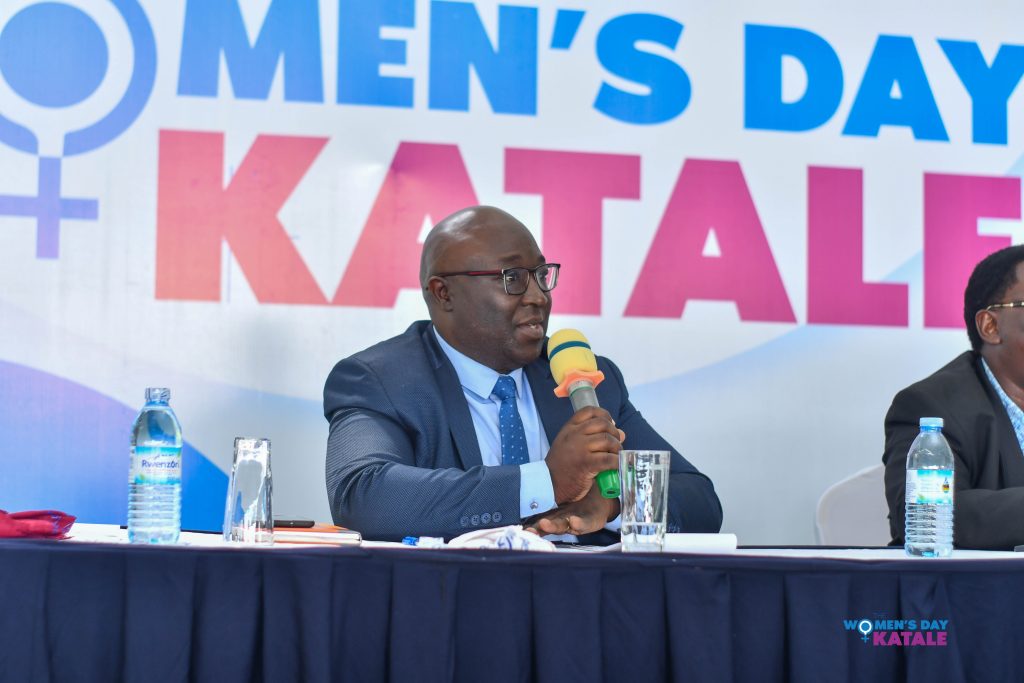
The 2024 Women’s Day Katale is slated for 15th to 17th March, 2024 at Dam Waters Rugby Ground in Jinja. This annual Women Entrepreneurs Empowerment event is organized by Private Sector Foundation Uganda (PSFU) and supported by the Young Africa Works program implemented in partnership with the Mastercard Foundation.

In a detailed interview last week, Mr. Stephen Asiimwe, the PSFU CEO discussed why the Katale is so dear to his organisation, why Jinja was selected for the 2024 edition and why everyone must be interested.

Question: Give us a background and present a case for the annual PSFU Katale.  

Stephen Asiimwe: First of all, PSFU is the umbrella body of 330 business associations and corporate companies. As part of our strategic plan, we are mandated to do four things but the principal mandate of PSFU is to be an enabler for business.

Our motto is business growth is our business. This is premised on creating an enabling environment for businesses and business people to thrive. We do this through four ways. We do it through policy and advocacy. We do it through business development support, which we call BDS. We do it through capacity building and training and by extension, equipping people to do business better. We do this by one supporting them in understanding how to do business, where to do business, with whom to do business, how to value add in order to get a better return on your investment. We open markets. We are the front runner at the East African Community, COMESA and now the AfCFTA.

Now in so doing, we have what is known as evidence-based research to inform policy. In our evidence-based research, we discovered that in the business pyramid, the lower part of the pyramid is dominated by women, which is a good thing. But the value proposition of those women is on the lower scale. So, in terms of value, the higher you go, the less women and more men, but at the same time, the higher you go the more earnings for men and not women. So, we, we had a lacuna there where we felt that how do we get the women to go higher.

So, you have micro small medium and then large. So, micro is dominated by women. Small is a lot of women. The moment you start to go to medium the scale dips for women and becomes lower. And the higher you go on the scale, it’s the men who dominate that space and there are factors that speak into why the women are less ass you go further up. Number one is access to finance, and number two is the cost of finance. Women pay more money for accessing finance. In other words, they are more women in the money lending and borrowing arena. But the cost of accessing that money is terrible.

Now, the higher you go to get cheaper money, which is commercial banks, development, bank lending or even international financing instruments, it is dominated by men, meaning the men have an upper scale in terms of accessing better money, which then makes them get more money.

This is not a competition of men and women. It’s a thing of affirmative action in the business sense to scale the women.

One of the factors that we also saw, which was a positive, was that women are very, very good at doing business, but they don’t grow as expected. They stagnate. They have a stunted growth. They never grow taller. They are more, but they never get into the value proposition of business. So, in a summary, we wanted to create a special purpose vehicle that would usher these women into the business economy.

One of the other things of course, we saw over and above those overarching issues was the fact that women do not network. Men are very good at networking in the evening as they socialize, they are also doing business. There are more men on the golf course. Golf is about sports health but it’s a business thing. Rotary is dominated by the male space. They don’t just meet there for a cause. They also do business. They network, they carry business cards. They are more aggressive. So, we want to create a psyche to get the women into that networking space.

And then of course, business of late – in the last 50 years is dominated by Innovation and Technology. It is about Digital Business. Government has gone e-procurement. It is ebusiness. Who controls that space? It is the men.

So those were the problematic factors? So, what was the solution? What’s the intervention? So, then we said, as PSFU we cannot say we are growing businesses when a significant part of our constituency is still stagnated on the low pyramid. It is not about numbers. It is about the quality of the numbers.  So how do we get to improve the quality and quantity of these numbers.

We also wanted to identify with the World International Women’s day celebrations, The Katale would be our contribution to the International Women’s day celebration and that is why we chose to ran this project around the International Women’s day celebrations.

Hence the creation of a special purpose vehicle called Katale.  

The full meaning of Katale in our view is a Marketplace; a Marketplace of innovation., of networking, of digitization, of crosscutting Demand and Supply opportunities, doing business better and training. But also telling the young lady out there that you can do it.

We held the first PSFU Katale in Luwero. It was very successful; a big hit with innovation at its highest, drawing over 100 women-founded and women-led businesses. We saw women creating unique recipes such as Samosa with Enkejje, Rolex with Nsenene, crafts among others. It was really fantastic.

We said we don’t want a one hit wonder scenario. We wanted to create something that will grow further than the current situation. So, we made it an annual calendar activity for us in partnership with our partners from Mastercard Foundation.  

The second year – 2023, we held it here in Kampala at UMA show grounds and again, it was very successful. The second edition, hosted in Kampala in 2023, witnessed the participation of more than 250 women enterprises who showcased their products and services. The Kampala edition gave women from all walks of life a chance to show case their skills including creatives such as Women DJs and Musicians.

As part of our strategic rollout of footprints across the country, we decided to send it far away from Kampala and the first place was to go to the east. There was no better place than Jinja. And coincidentally, we were blessed with the new queen – the IneBantu, who is going to grace this occasion and obviously encourage Women in the Busoga region to be part and parcel of this initiative and all other Economic Transformation activities. So, in a brief, that is what PSFU Women’s Day Katale is and how we intend to use it to uplift Women Entrepreneurs.

Question: In the first two years of the Katale, what really stood out for the Women Entrepreneurs and PSFU? What were the key successes and learnings from the 2022 and 2023 editions?  

Stephen Asiimwe:The factors that impede, somewhat threaten Women Entrepreneurs such as Cost of Finance, Access to Finance, Markets and Networks were all exemplified in the first two Katale editions. Participants walked away with business, better networks and more knowledge to improve their businesses. In Katale two, many people walked away very excited and satisfied with the endless opportunities the platform offered them. In fact, I know of many that have said they are willing to book their stalls in the Katale for the next 10 years.

We also got a lot of positive Media buy-in. The stories that came out were stories of hope, success, growth, expansion and efficiency. But for the first time, banks started coming in and said ‘guys, we have a lot of money here, how can we deploy it to support women better.’ Development partners such as UN Women and many others also took note and came in. So, everyone now wants to be part of this initiative because we have opened their eyes on the opportunities available in the Women space.

As PSFU, we are excited with these outcomes, because they sit well with our day to day objectives. We can’t play small scale, we have to open the door for this country. The President is talking about Value Addition. At both the 2022 and 2023 Katale episodes, we saw Value Addition at its best and we are hoping that every Katale gets even better outcomes.  But most importantly, to be in Luwero for the first Katale, was a big blast for the Women Entrepreneurs in that sub-region.

Question: Why Jinja for the third edition of the Katale? Why not another town in Eastern Uganda?

Stephen Asiimwe: This is a young initiative. This is Katale three. A three years kid operates like a three-year kid. But more importantly, last year we had a big event in west Nile. We also had a big event in Mbale. Our affirmative action is to ensure that we spread equitable across the country.

The most important thing is that we wanted to go eastwards this year for the Katale and settled on Jinja. We wanted to ‘piggyride’ on the new enthusiasm of the new Queen of Basoga, her Majesty the IneBantu. She is new, fresh and popular. She is the biggest, youngest woman influencer in the country right now. The third season of the Katale, running in the month of March coincides with the end of her honeymoon. Culturally, she has to go through a honeymoon process which among other things stops her from appearing in the public until a certain number of days which are done now. The PSFU Katale is thus a great event for the people of Busoga to engage with the IneBantu not that her honeymoon is done.

Further, Busoga region and Jinja particularly has a huge population of unemployed women. Jinja has a huge population but the per capita is very low. We wanted to use the Katale to catalyze the outreach for businesses there. Besides, Jinja is a town on the run; Tourism city, source of the Nile and once upon time, the biggest manufacturing center in the country. Jinja is a good place to be and support the transformation of Women and the Girl child.

Question: As rightly observed by yourself, Jinja is a Tourism Hub. How can the Tourism sector tap in to this Katale initiative?

Stephen Asiimwe: All roads lead to Jinja for the Katale. Jinja has the largest concentration of guest houses in Uganda. Many houses next to River Nile have been converted in to boutique hotels or guest houses. After Nyege Nyege, the Coronation and Royal wedding, the Women’s Day Katale is going to be the next biggest event in Jinja and Busoga region. The people of Jinja should prepare themselves in three ways. One; be ready to receive the visitors coming in for the Katale and make some money. Two; be part of the Katale by exhibiting the different products they have to offer. And three, the Jinja leadership and Tourism fraternity must use this opportunity to organize pocket friendly tourism packages for the visitors. These may include mini trips to the water falls, bungie jumping, visiting the source of the Nile and many others. It is a good time for Jinja, especially the Tourism fraternity. They must exploit these opportunities.

Question: Still related to Tourism, the Chapati and Rolex delicacy is popular in Jinja. There have been several efforts to popularize this delicacy globally. Does it have an opportunity in the Katale?

Stephen Asiimwe: While there are several theories around the origin of Rolex, the proprietor of Rolex is a Jinja person and a woman to be specific. She was once Miss Tourism and has contributed greatly to popularizing it as a Ugandan delicacy. I agree that the people of Jinja must showcase their Chapati and Rolex making skills as this is a sub-sector that employees so many young people. But it doesn’t end at Rolex. Jinja has so much more to offer. What we are telling the people of Jinja is very simple; use the PSFU Katale to showcase your products, services and innovations. Use the Katale to catapult your business to higher heights.

Question: Minus the Katale, which is an annual event, what follow-up activities that PSFU undertake to ensure that the ladies that have benefited from the Katale continue to grow their businesses and transform their communities?

Stephen Asiimwe: As PSFU, we have a big membership drive because we are a member-based organization. We have eased the process of enrolling new members especially those that are upcountry based. So, we intend incorporate all the Women that participate in the Katale in to our database for continued follow-up and support. We also have more projects that are supporting the Women Entrepreneurs such as like GROW with World Bank and Ministry of Gender, we have the Young Africa Works supported by Mastercard Foundation, INVITE – Investment for Industrial Transformation and Employment and UN Women programs among others. We also have several calendar events that support women. This very month, we have a big summit; EU-Uganda Business forum where Women Entrepreneurs will still have a chance to further grow their businesses. In all, we continue to support Women in Business to scale.

Question: As we conclude this interview, why must the Women Entrepreneurs in Jinja not miss this Katale? Why must the people of Jinja attend this activity?

Stephen Asiimwe: I would like to implore as many people from Jinja and Busoga to come for the Katale. We have a lot of transformative activities learned up. We are going to teach, and equip. Financial institutions are going to be there and our membership, projects and technical teams to ensure that all participants benefit. I would like to call upon the leadership of Jinja and the Kingdom of Busoga to be part of this. We won’t be coming to Jinja in a long time as we have to spread this Katale across over 100 districts, the 20 sub regions if you like. So, 2024 is for Jinja and I implore the leaders to rally their people to participate. PSFU is a home to everyone doing business. If you are a business person, intend to do business or want to do business better, the PSFU Women’s Day Katale is your event.

Ends.

University Students tipped on using Technology to transform their Careers

University Students have been urged to make good use of available technology to not only ready themselves for work life but also use the same to make their professions better.

This candid advice is premised on the fact that technology can be adopted and used to improve products and service delivery in all sectors of the economy and life. 

Speaking at the ‘School to WorkSpaces’ Career Guidance organized by TIG Network Afrika at Uganda Christian University (UCU), Kampala Campus on Tuesday 20th February 2024, Amb. Damali Ssali, the Founder of Ideation Corner and Women Entrepreneurship Day Organization (WEDO) Ambassador to Uganda asked the students to leverage Technology to provide better services.

She noted that while everyone cannot be a techie, “we can all use Technology to improve the different products and services that we offer.” Amb. Damali gave an example of My Doctor; a health service provider that is using Technology to provide digital healthcare. She also highlighted how Legal Professionals are using technology to improve legal practice and how Schools using the same to transform Education.

She further urged the students to select three good habits each and be very good at them. Such habits can be excellent timekeeping, effective communication, excellent collaboration and reading and learning new things periodically.

This career guidance session was attended by students from UCU Kampala Campus and other neighbouring Universities such as Ndejje, KIU, Team and Victoria University. Minus Amb. Damali Sssali, this career guidance workshop had several high-level speakers such as Prof Maggie Kigozi – a Ugandan business leader, medical doctor, consultant, educator, and sportswoman., Innocent Kawooya – CEO of HiPipo, Hon. Katabazi Francis – The Kalungu East MP and Dr Patricia Achan – the Deputy IGG.

Speakers, one after the other underpinned the importance of hard and smart work, self-discipline, respect and collaboration as keys to having successful careers. They noted that the difference between success and failure may just be a happy face; advising students to be serious but also find time to play and positively engage with one another.

Discussing the transformative role of Innovation, Mr Innocent Kawooya noted that Innovation is the new normal as all sectors need new ways of doing things. Mr Kawooya noted that in the early days of Innovation, there are always challenges and thus Innovators must ‘celebrate every step they make, every success they attain’.

Dr Maggie Kigozi underscored the significance of job creation noting that well as over 700,000 people join the job market every year, a huge majority of these remain unemployed as they are trained to look for jobs not create theirs. She tipped the students on Jobs Creation and never take opportunities for granted.

Jinja to host 2024 Private Sector Foundation Uganda (PSFU) Women’s Day Katale

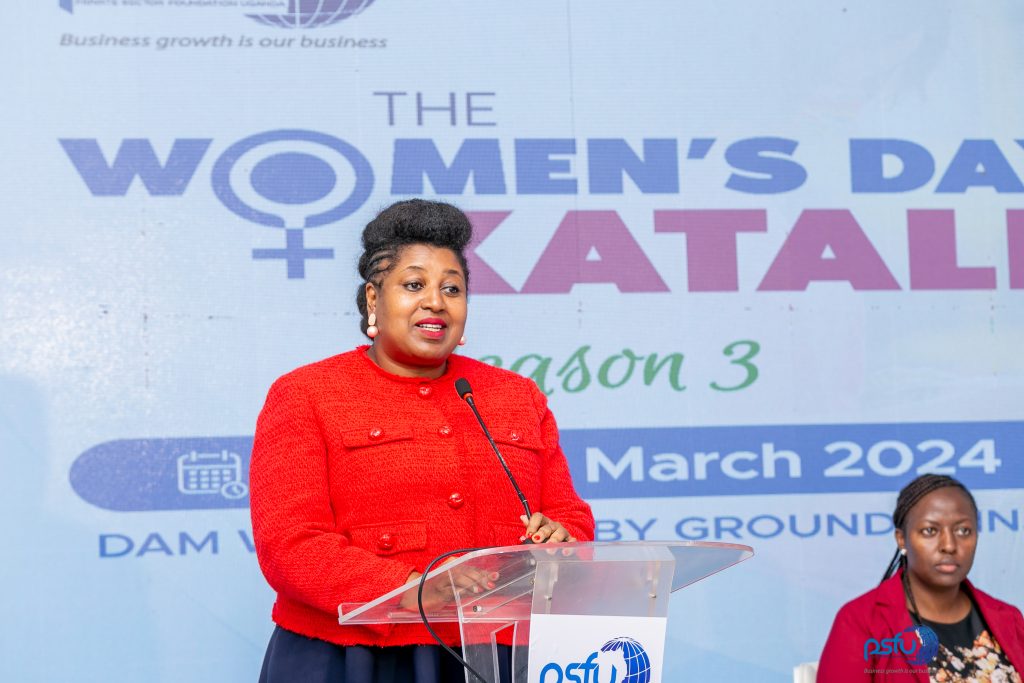
In its continuous commitment to bolster private sector engagement nationwide, Private Sector Foundation Uganda (PSFU) has declared that the third season of the Women’s Day Katale will take place at the Dam Waters Rugby Ground in Jinja, from March 15th to 17th, 2024. The theme for this season is “Bridging Economic Divides for Women’s Prosperity.” This initiative is supported by the Young Africa Works (YAW) Lead Firm Structure program, funded by the Mastercard Foundation.

Jinja has been chosen as the ideal host for this year’s event due to its strategic location, abundant untapped opportunities in key sectors such as agriculture, manufacturing, and tourism, and a substantial pool of unemployed youth who, with opportunities, can significantly contribute to Uganda’s economic growth.

“This year’s Katale, held in the economically vibrant city of Jinja, reflects our strategic decision to bring this platform to Eastern Uganda. This region, though brimming with potential, faces considerable economic challenges. By hosting the Katale here, we aim to empower local women entrepreneurs, contribute to regional development, and bridge the economic divide,” Mr Stephen Asiimwe the PSFU Chief Executive Officer said.

He added: “As part of this year’s Katale, we are delighted to announce the participation of Inebantu, the Queen of the Busoga Kingdom, as a special guest. Her influence and leadership will serve as an inspiration to young women in the Eastern Region and beyond. Through effective mobilization strategies, including community-based partnerships, digital marketing, media outreach, and the involvement of social media influencers, we aim to ensure maximum participation and impact.”

The third annual event builds on the success of the previous ‘Katales’ held in 2022 and 2023. The Women’s Day Katale debuted in Luwero district in 2022, drawing over 100 women-founded and women-led businesses. The second edition, hosted in Kampala in 2023, witnessed the participation of more than 250 women enterprises who showcased products, acquired business management skills, and delved into corporate governance.

Aligned with International Women’s Day celebrations, the Katale is an annual event that acknowledges the significant contributions and potential of women and girls as entrepreneurs. It serves as a platform for young individuals to network, connect with potential customers, and expand their customer base.

Simultaneously, women entrepreneurs seize the opportunity to learn, enhance their skills, and build capacity across various business aspects. During the Katale, women and girl entrepreneurs exhibit their products and services at no cost, engage in networking activities, acquire marketing skills, and have the chance to sell their products directly to the audience during the exhibition.

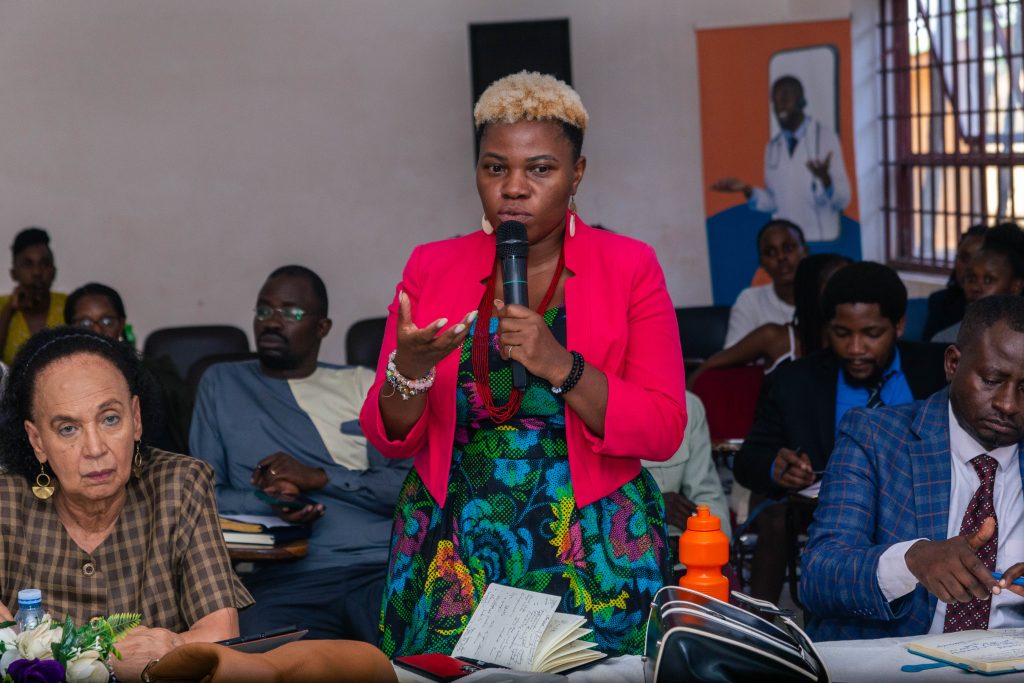
“The Women’s Day Katale is a powerful platform for women entrepreneurs to connect, learn, and grow. It has been growing tremendously since its inception in 2022, and last year, over 600 young entrepreneurs participated in Kampala, showcasing the event’s growing reach and impact. The event will feature business clinics led by industry experts, a One-Stop-Centre facilitated by key government agencies and banks, and a platform for women entrepreneurs to showcase their products and services, expanding their market reach and forging valuable connections,” Madam Sarah Kagingo, the PSFU Vice Chairperson noted.

The global theme for International Women’s Day 2024, “Invest in Women: Accelerate Progress,” emphasizes the vital role women play in driving economic growth and societal well-being. Yet, despite remarkable progress, significant barriers continue to prevent women from fully participating in the economy. This makes the 2024 PSFU Katale a very timely intervention.  

About PSFU.

The Private Sector Foundation Uganda (PSFU) is Uganda’s apex body for the private sector. Established in 1995, PSFU’s mission is to promote and support a competitive and sustainable private sector, and to foster a business-friendly environment in Uganda through advocacy, capacity building, and business development services. PSFU is a non-profit organization funded by the private sector and donors.

2024 Top 40 Women Leaders Under 40: Pioneering Change in FinTech and Beyond

In the wake of the influential and widely celebrated inaugural “100 Women in FinTech” listing in 2023, we are excited to announce an even more ambitious and impactful edition for 2024. This year’s edition expands on the previous year’s achievements and introduces several new dimensions to recognise and celebrate the women leading the way in the FinTech industry.

In a noteworthy enhancement from last year, the top 100 women selected for 2024 will be honoured with a “Digital Certificate of Excellence.” This prestigious acknowledgement is a testament to their outstanding contributions, service, and societal roles. These are lifelong accolades, empowering recipients to showcase their achievements in their professional biographies and across various social communication platforms.

As we approach the International Women’s Day celebrations, we are thrilled to spotlight 40 remarkable women leaders. These leaders are not just making strides in financial inclusion and gender diversity; they are redefining what it means to be a leader in today’s dynamic financial landscape.

Selected through a People’s Choice process, these 40 women represent the very best of innovation, executive leadership, entrepreneurship, and business acumen — all under 40. They are the women who have been directly nominated by those whose lives and careers they have significantly impacted.

Starting January 30th, 2024, we embark on a journey to showcase one exceptional woman leader each day individually. This culminates on March 8th, aligning with International Women’s Day, when the highly anticipated “HiPipo Women in FinTech Magazine” will be published, featuring more inspiring women.

Join us in this celebration as we highlight these trailblazing women excelling in their fields and paving the way for future generations in FinTech and beyond.

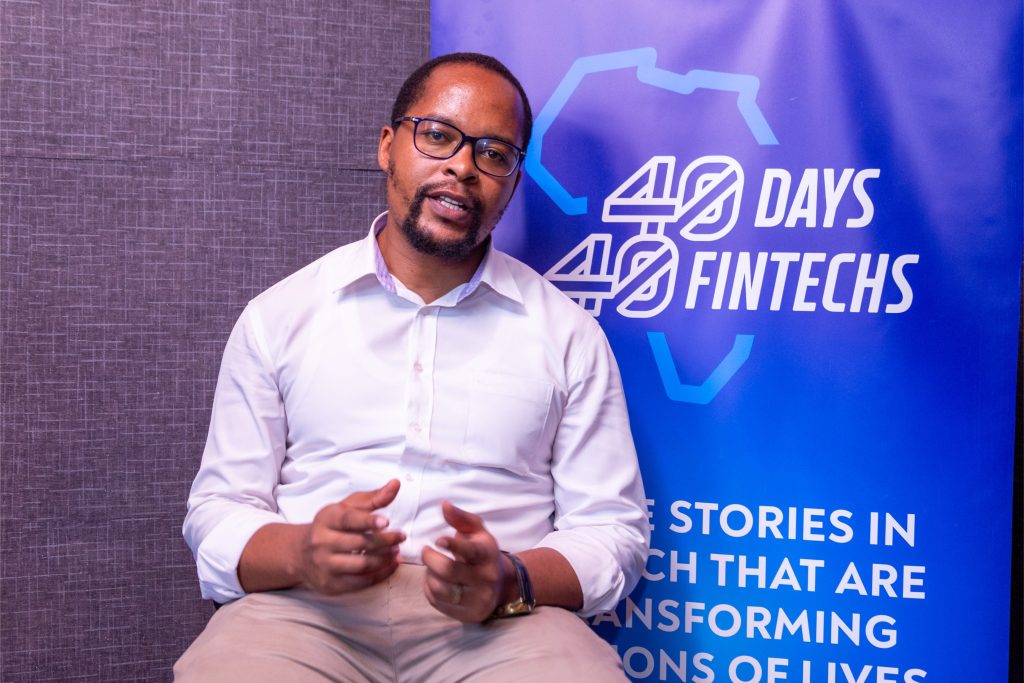
Pocket Budgeting is promoting prudent Financial Management. 40 Days 40 FinTechs Tanzania Day 41

Earning money is very hard but spending needs no rocket science. For instance, it is not news that someone can have TSh. 1,000,000 in the morning and by evening, s/he has used up all the money. This may be due to unnecessary spending, extravagance or poor planning.

Nonetheless, Innovators are using technology to develop tools and platforms that can cure such ills. On Day 41 of the 40 Days 40 FinTechs initiative for Tanzania, we interacted with Ronald Mwanyika, the Founder of Pocket Budgeting. Here is the story of how Pocket Budgeting is helping its customers manage their money by spending rightly and setting priorities.

HiPipo: What is Pocket Budgeting?

Ronald Mwanyika: Pocket budgeting is a platform that allows people to master their money and make better financial choices or decisions. What we do is we allow people to spend their money in the right areas or the areas that matter; giving them the ability to better understand how their money comes and how their money goes.

HiPipo: Why should customers be interested in Pocket Budgeting?

Ronald Mwanyika: One of the major reasons why a person should sign up with Pocket is for the person who needs or wants to better master their money and attain that financial freedom, they should sign up with Pocket because it is a platform that will give them tools to better manage their money and also a platform that will give them the knowledge they need to better make their money grow and make their money worth something.

HiPipo: How does one get started on Pocket Budgeting?

Ronald Mwanyika: First and foremost, you must have the application on your phone. And after creating an account, you will be able to add your income. Now, we call it net worth, because according to us, net worth is the money that you have after you have removed all the expenses. So, you add your income, and there are several envelopes, such as spending, there is to pay. That’s an envelope where the people that you have to pay, you also have an envelope of people that have to pay you. And there is an envelope for investing and savings. There is an envelope for expenses. So, once you have added your income, you distribute that money into the respective envelope so that you can know how much money is left. One thing that we believe in is you have to pay yourself first. So, after you remove all the expenses, that net worth that remains is the money that you have that has no use. So, it is like the money that you have paid yourself from the income you have gained. Once you start budgeting your money, you start to see how much money you don’t have, instead of just seeing that, oh, I have this certain amount of money that you don’t know where the money goes.

One of the things that we have tried to address is trying to teach our customers how to best allocate their money. We help them prioritize and make good choices.

HiPipo: What are some of the challenges you have so far faced in this business?

Ronald Mwanyika: One of the major challenges we have so far is the issue that comes with people trusting what you are trying to do because when it comes to money, most people are sensitive about that subject. When I was researching to see if people would be interested in such a platform, most people were saying they were interested, but when it came to transacting money through the platform, it was an issue for them, it was a very sensitive subject.

HiPipo: What are your views about partnerships for start-ups in regards to start-up growth?

Ronald Mwanyika: Partnerships are something that helps the company to grow because a startup has competitors in the market that already know the terrains and most of the things about how the business goes. So, for a startup, partnerships are one thing that helps it to grow and catch up to with who are already in the market. So, I believe also in pocket, as we are growing into the market, we will be able to see the companies that we can best partner with us to be able to fulfil the goals that we set out to fulfil.

HiPipo: What are your views about 40 Days 40 FinTechs?

Ronald Mwanyika: Platforms such as 40 Days 40 FinTechs help FinTechs to best show what they can do. They also help to show the regulators the potential of FinTechs and what they need to thrive. And in a way that if the regulators can best see the values and know how the FinTechs operate, they can then set regulations and rules that best suit the industry, regulations that are pro-start-ups and facilitate FinTech companies.

Include EveryOne Program.

First implemented in Uganda, 40 Days 40 FinTechs is an annual FinTech Innovation initiative presented by HiPipo to recognize and celebrate individuals and organizations who are making significant strides in promoting financial inclusivity through the use of technology.

It is aimed at promoting innovation and collaboration among FinTechs in Africa. The initiative is designed to provide FinTechs and startups with mentorship, training, exposure, and networking opportunities to help them grow and scale their businesses.

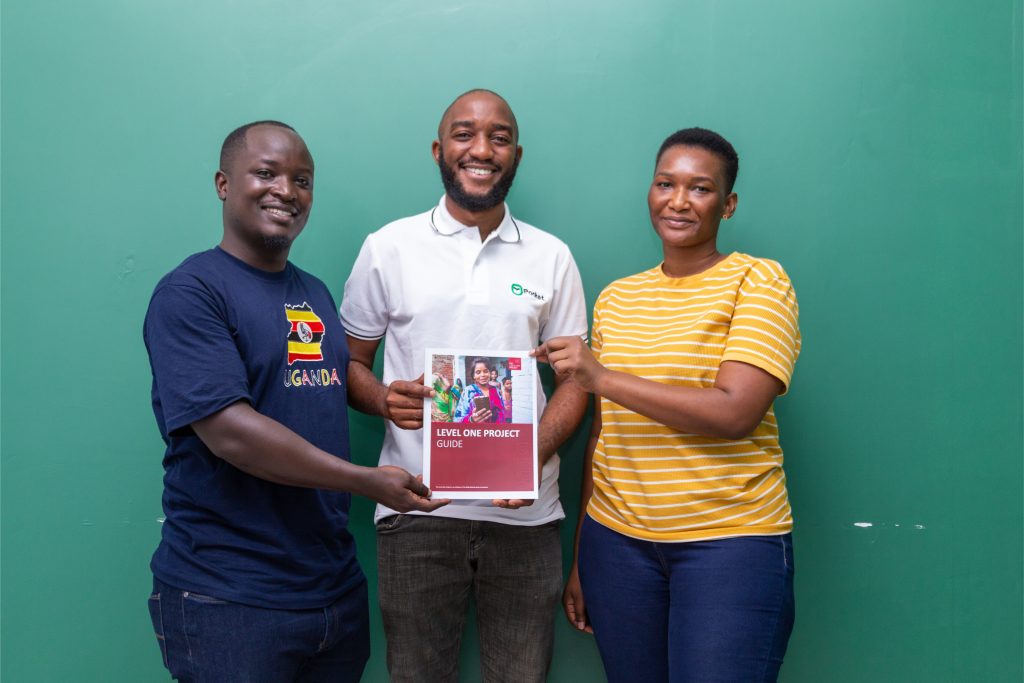
40 Days 40 FinTechs initiative Tanzania is part of HiPipo’s broader Include EveryOne Program that is generously supported by the Gates Foundation and implemented in partnership with Level One Project, ICTC Tanzania, Ideation Corner, Cyber PLC Academy, INFITX, Crosslake Technologies, NG Films, Founders Academy and Mojaloop Foundation.

The Include EveryOne program is a beacon of acceleration of FinTech Innovation, empowerment for Women in FinTech and a catalyst for investment and development in the ICT sector. Minus 40 Days 40 FinTechs, other initiatives under the Include EveryOne Program are the FinTech Landscape Exhibition, Women in FinTech Hackathon, Summit and Incubator, Digital Impact Awards Africa and the Digital and Financial Inclusion Summit.

HiPipo is recognized as a premier advocate of digital Innovation and financial inclusion champion, a fervent proponent of the #LevelOneProject. HiPipo has been at the forefront, actively promoting digital innovation, Instant, Inclusive Payment Systems (IIPS), and DFS across Africa. With a legacy of advising, mobilizing, and facilitating the adoption of inclusive financial services, HiPipo’s efforts have been nothing short of transformative! For almost two decades, HiPipo has successfully facilitated the inclusive adoption of these crucial services.

Introducing Digital Money Movers: A Monthly Insight into Digital Innovation and Financial Inclusion in Africa

We are pleased to announce the launch of Digital Money Movers, a monthly publication dedicated to exploring the dynamic world of digital innovation and financial services. The journal delves into the compelling stories, significant developments, and influential figures shaping FinTech innovation, digital payments, and financial inclusion across Africa.

Digital Money Movers is designed to be more than a mere publication. It aims to comprehensively explore the key contributors, opportunities and challenges within Africa’s FinTech Innovation, Digital Financial Services (DFS), and Financial Inclusion landscape. Its primary objective is to offer an in-depth view of the trailblazers making a lasting impact in these sectors.

Each month, the publication will shed light on the movers and shakers in this space, highlighting their contributions and the enduring influence they bring. At the end of each year, all insights gathered throughout the months will be compiled into an exclusive edition, offering a holistic view of the advancements and trends witnessed over the months.

In the inaugural edition, we focus on Visa and Mastercard, examining their rivalry and presence in Africa through eight key aspects. This exploration marks the beginning of an exciting series under Digital Money Movers, where we aim to uncover every facet of inclusion, ensuring no stone is left unturned.

We invite you to join us on this enlightening journey with Digital Money Movers, where each month brings discoveries and insights, contributing significantly to the discourse on digital financial inclusion in Africa.

Digital Money Movers – January 2024 Edition

Koba is digitizing Savings and Credit Groups. 40 Days 40 FinTechs Tanzania Day 40

Savings and Credit groups are common across Africa. While they have contributed greatly to the development of local communities, their strong reliance on manual and cash-based processes makes them prone to fraud and mismanagement.

But, innovators are now using technology to counter these challenges by developing platforms that digitize these savings and credit groups. One such platform in Tanzania is the Koba APP.

Koba simplifies the management of group finances, enhances communication among group members, and provides a platform for financial empowerment. It’s a versatile tool designed to facilitate collaborative financial activities and promote responsible financial practices within communities.

According to Emmanuel Zakayo, the Founder of Koba, the application eases the work of people in saving groups as they can manage their group finances digitally with every member able to apply for credit and have it approved by the leaders electronically after which it is wired by the treasurer to the borrower’s mobile money number.

“Koba is available on both the Play Store and Apple Store. You just need to download the APP and register with your mobile number. We shall then send you a confirmation code to confirm your membership. You can also create a digital savings group on Koba. You simply go to the settings, select contacts of people you want to be in the savings group, create the group name and save it.” 

Zakayo noted that their biggest challenge is limited funds to scale their services and reach more people.

“We created this APP using our own personal funds. This has limited us as we can’t serve as many people as we could want because this would require more investment. We are sure that our platform is required by many groups but we cannot reach them. Hopefully, with our participation in this year’s 40 Days 40 FinTechs initiative, we shall be able to reach more people, get more customers and attract partners and investors.”

Include EveryOne Program.

We interacted with Koba on Day 40 of the 40 Days 40 FinTechs initiative for Tanzania. First implemented in Uganda, 40 Days 40 FinTechs is an annual FinTech Innovation initiative presented by HiPipo to recognize and celebrate individuals and organizations who are making significant strides in promoting financial inclusivity through the use of technology.

It is aimed at promoting innovation and collaboration among FinTechs in Africa. The initiative is designed to provide FinTechs and startups with mentorship, training, exposure, and networking opportunities to help them grow and scale their businesses.

40 Days 40 FinTechs initiative Tanzania is part of HiPipo’s broader Include EveryOne Program that is generously supported by the Gates Foundation and implemented in partnership with Level One Project, ICTC Tanzania, Ideation Corner, Cyber PLC Academy, INFITX, Crosslake Technologies, NG Films, Founders Academy and Mojaloop Foundation.

The Include EveryOne program is a beacon of acceleration of FinTech Innovation, empowerment for Women in FinTech and a catalyst for investment and development in the ICT sector. Minus 40 Days 40 FinTechs, other initiatives under the Include EveryOne Program are the FinTech Landscape Exhibition, Women in FinTech Hackathon, Summit and Incubator, Digital Impact Awards Africa and the Digital and Financial Inclusion Summit.

HiPipo is recognized as a premier advocate of digital Innovation and financial inclusion champion, a fervent proponent of the #LevelOneProject. HiPipo has been at the forefront, actively promoting digital innovation, Instant, Inclusive Payment Systems (IIPS), and DFS across Africa. With a legacy of advising, mobilizing, and facilitating the adoption of inclusive financial services, HiPipo’s efforts have been nothing short of transformative! For almost two decades, HiPipo has successfully facilitated the inclusive adoption of these crucial services.

Mikopo Nafuu is connecting customers to legitimate lenders. 40 Days 40 FinTechs Tanzania Day 39

Now and then, people have emergencies and thus seek credit services. Ideally, loans should be affordable with reasonable payment terms.

But in the real market environment, most loans are very expensive; the interests are exorbitant, and the terms unrealistic. Money Lenders, mainly loan sharks exploit borrowers who usually don’t have any alternative.

To address these challenges, BlueTick Technologies developed Mikopo Nafuu; a digital platform aimed at democratizing loans through equipping borrowers with all the necessary information about credit service providers so that they can make informed choices. 

On Day 39 of the 40 Days 40 FinTechs initiative for Tanzania, we caught up with Nicholaus Ngolongolo, the Co-founder of BlueTick Technologies.

Here is the Mikopo Nafuu story as told by Nicholaus Ngolongolo.

HiPipo: What is your Financial Inclusion solution?

Nicholaus Ngolongolo: As BlueTick Technologies, we came up with a solution called Mikopo Nafuu which is a platform that regulates loan provision and gives leads to financial institutions. We have noticed that customers struggle when it comes to selecting the best financial product. When I say financial products I mean loans, credit, savings and some of insurances. They struggle to find the best products to use from what is on the market.

And sometimes they choose a product just based on what is available or because they have been referred by their friends and partners. Some of the credit products have a lot of hidden fees and high interest. Some are not even well-regulated.

When the loan officers visit them, they just accept these harsh conditions. For example, a loan officer will say we shall give you a loan of 500K but you will be 100K in interest, which is very high. So, borrowers end up paying a lot of charges and interest. These very expensive and unfair loans are very common in Tanzania.

It is from this background that we have come up with a solution which will help in regulating these lenders. We are chasing our license from the Bank of Tanzania (BOT) after which we shall register all financial providers on our platform and then assign each with a special code which every customer can refer to and check eligibility.

HiPipo: What market problem are you solving?

Nicholaus Ngolongolo: The problem that we are trying to solve is first transparency. Because customers are never given all the information they need before taking these loan products. We want to change this by ensuring that the customer gets all the required information before taking the loan. We are connecting multiple service providers so we give you all the available options and the benefits that each comes with. We give you a comparison from which you can choose what is suitable for you.

HiPipo: How does Mikopo Nafuu work?

Nicholaus Ngolongolo: We have built our platform based on two interfaces. A web application from which you can find all the services we offer. For example, we help you calculate everything about your loan; credit score, including loan fees, interest, repayment period, repayment amount and everything to expect. With this information, you can then apply and get a loan from several financial institutions. The second interface is a WhatsApp web chatbot. So, we built a boat which can interact with you and give you the same information as our website platform. You initiate the conversation with our webchat and from there, you will chat with our platform and it give you all the information regarding the loan you wish to get.

HiPipo: What is the state of FinTech Regulation in Tanzania?

Nicholaus Ngolongolo: FinTech regulations are there but I think some aspects have been missed. This has then created room for people to mistreat customers because they know they are ignorant about fees, interest and their rights.  So, the regulation is there, but there are some missing parts. We as FinTechs believe we should partner with the regulators to ensure that all products are regulated and the regulation protects both the customers and innovators.

HiPipo: How does the 40 Days 40 FinTechs initiative support your cause?

Nicholaus Ngolongolo: After these kinds of stories get out there, people start to that FinTechs are solving real problems. They see the role that innovators are playing and what needs to improve. 40 Days 40 FinTechs is a huge platform and I am quite sure that these engagements and episodes that are broadcasted will reach different stakeholders. We are not only building for Africa and thus this initiative helps us reach the wider African market. We also get to know the kind of products and solutions we are competing with.

Include EveryOne Program.

First implemented in Uganda, 40 Days 40 FinTechs is an annual FinTech Innovation initiative presented by HiPipo to recognize and celebrate individuals and organizations who are making significant strides in promoting financial inclusivity through the use of technology.

It is aimed at promoting innovation and collaboration among FinTechs in Africa. The initiative is designed to provide FinTechs and startups with mentorship, training, exposure, and networking opportunities to help them grow and scale their businesses.

40 Days 40 FinTechs initiative Tanzania is part of HiPipo’s broader Include EveryOne Program that is generously supported by the Gates Foundation and implemented in partnership with Level One Project, ICTC Tanzania, Ideation Corner, Cyber PLC Academy, INFITX, Crosslake Technologies, NG Films, Founders Academy and Mojaloop Foundation.

The Include EveryOne program is a beacon of acceleration of FinTech Innovation, empowerment for Women in FinTech and a catalyst for investment and development in the ICT sector. Minus 40 Days 40 FinTechs, other initiatives under the Include EveryOne Program are the FinTech Landscape Exhibition, Women in FinTech Hackathon, Summit and Incubator, Digital Impact Awards Africa and the Digital and Financial Inclusion Summit.

HiPipo is recognized as a premier advocate of digital Innovation and financial inclusion champion, a fervent proponent of the #LevelOneProject. HiPipo has been at the forefront, actively promoting digital innovation, Instant, Inclusive Payment Systems (IIPS), and DFS across Africa. With a legacy of advising, mobilizing, and facilitating the adoption of inclusive financial services, HiPipo’s efforts have been nothing short of transformative! For almost two decades, HiPipo has successfully facilitated the inclusive adoption of these crucial services.

Payd is simplifying Payments and Record Keeping for Freelancers. 40 Days 40 FinTechs Tanzania Day 38

Japheth and Benaiah, both seasoned freelancers, had firsthand experience with the challenges of managing payments and records. Even though they would execute their work professionally and diligently, their payments and record-keeping were a mess. 

‘Frustrated by the limitations of existing payment solutions, they set out on a mission to create something truly remarkable.’ They created Payd; a digitized platform aimed at addressing specific payment needs of freelancers, creatives, small businesses and entrepreneurs.

On Day 38 of the 40 Days 40 FinTechs initiative for Tanzania, we had a detailed chat with Japheth Achimba, the Director of Chaos at Payd.

We now bring you the Payd story as told by Japheth Achimba.

HiPipo: For those hearing it for the first time, what is Payd? Why should the market be interested?

Japheth Achimba:  Paid is a financial management platform for freelancers and creatives across Africa. We enable them to receive their funds and manage them. This works by providing them with a platform where they can create custom no-code payment pages, and automate invoices and receipts, and they are also provided with AI-powered analytics on how to manage their finances. They can also generate payment links and QR codes.

HiPipo: How does Payd work?

Japheth Achimba: Payd users enjoy all that the platform offers through very simple steps. When one comes on the platform, s/he is prompted to create a Payd wallet. After creating this Payd wallet, you are given a unique username. With the unique username, you will be provided a payment link and now you will find all the other features available on the wallet.

HiPipo: What market problem does Payd solve?

Japheth Achimba: We are solving the problem of freelancers finding it hard to manage their finances by making it easier for them to know how much they have earned and fully account for that money. At Payd, we usually say that we are trying to make the money that Freelancers earn work for them.  So, through that process of providing them with data and advising them on what they earned or made, we are making it easy for them to manage their finances.

 Available statistics show that there are over 86 million Freelancers across Africa. So, if we can empower a huge number of those guys to be able to know how to manage their finances and how to spend it, it will have a great impact on them and the entire continent. You can imagine if we are able now to enable them, to get paid and receive their money instantly, it will be of great impact to them. The worry of delayed or no payments will not be there.

I don’t want to go into mentioning names, but most of the platforms available for Freelancers are chaotic and that is what we came to solve.

HiPipo: How has the market received you? Any challenges?  

Japheth Achimba:  With the rollout of our first version, which is now three months old, we have received good traction. We already have 1464 active users from our waitlist of freelancers we had. So, I can say so far so good. The adoption is kind of easy maybe where I can see challenges is around regulation. We are already in Kenya and Tanzania but aim to expand to more markets.

HiPipo: Your views about 40 Days 40 FinTechs.   

Japheth Achimba:  The 40 Days 40 FinTechs platform is an enabler for the innovators because it gives innovators exposure and a chance to shine through sharing their work. It also brings technology stakeholders together to discuss matters affecting the industry and learn from one another. This platform gives us insights to grow.

Include EveryOne Program.

First implemented in Uganda, 40 Days 40 FinTechs is an annual FinTech Innovation initiative presented by HiPipo to recognize and celebrate individuals and organizations who are making significant strides in promoting financial inclusivity through the use of technology.

It is aimed at promoting innovation and collaboration among FinTechs in Africa. The initiative is designed to provide FinTechs and startups with mentorship, training, exposure, and networking opportunities to help them grow and scale their businesses.

40 Days 40 FinTechs initiative Tanzania is part of HiPipo’s broader Include EveryOne Program that is generously supported by the Gates Foundation and implemented in partnership with Level One Project, ICTC Tanzania, Ideation Corner, Cyber PLC Academy, INFITX, Crosslake Technologies, NG Films, Founders Academy and Mojaloop Foundation.

The Include EveryOne program is a beacon of acceleration of FinTech Innovation, empowerment for Women in FinTech and a catalyst for investment and development in the ICT sector. Minus 40 Days 40 FinTechs, other initiatives under the Include EveryOne Program are the FinTech Landscape Exhibition, Women in FinTech Hackathon, Summit and Incubator, Digital Impact Awards Africa and the Digital and Financial Inclusion Summit.

HiPipo is recognized as a premier advocate of digital Innovation and financial inclusion champion, a fervent proponent of the #LevelOneProject. HiPipo has been at the forefront, actively promoting digital innovation, Instant, Inclusive Payment Systems (IIPS), and DFS across Africa. With a legacy of advising, mobilizing, and facilitating the adoption of inclusive financial services, HiPipo’s efforts have been nothing short of transformative! For almost two decades, HiPipo has successfully facilitated the inclusive adoption of these crucial services.