Home Blog Page 45

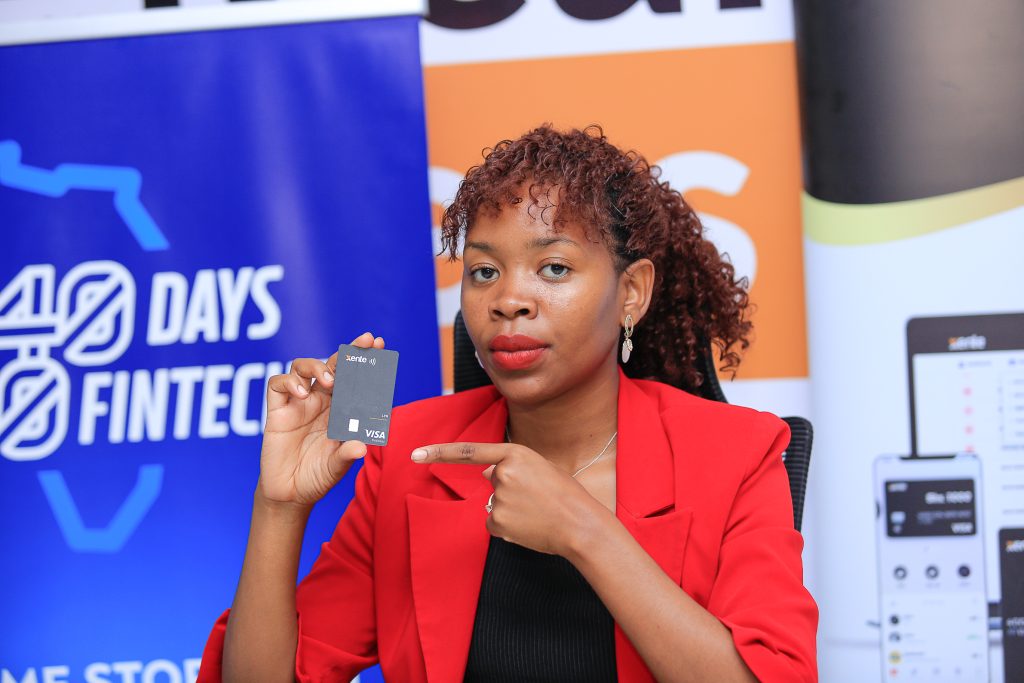
Yassako; Mallan Company Limited helping you access electricity on credit.

Our Reporter.

Ugandans may soon be able to access electricity on credit if Mallan Company Limited, a local Financial Technology company (FinTech) successfully launches its Yassako product soon.

The micro credit product that will enable people to top up their utility bills is being developed in partnership with Airtel, which will give them access to data for credit scoring of customers and also access to a mechanism for collections.

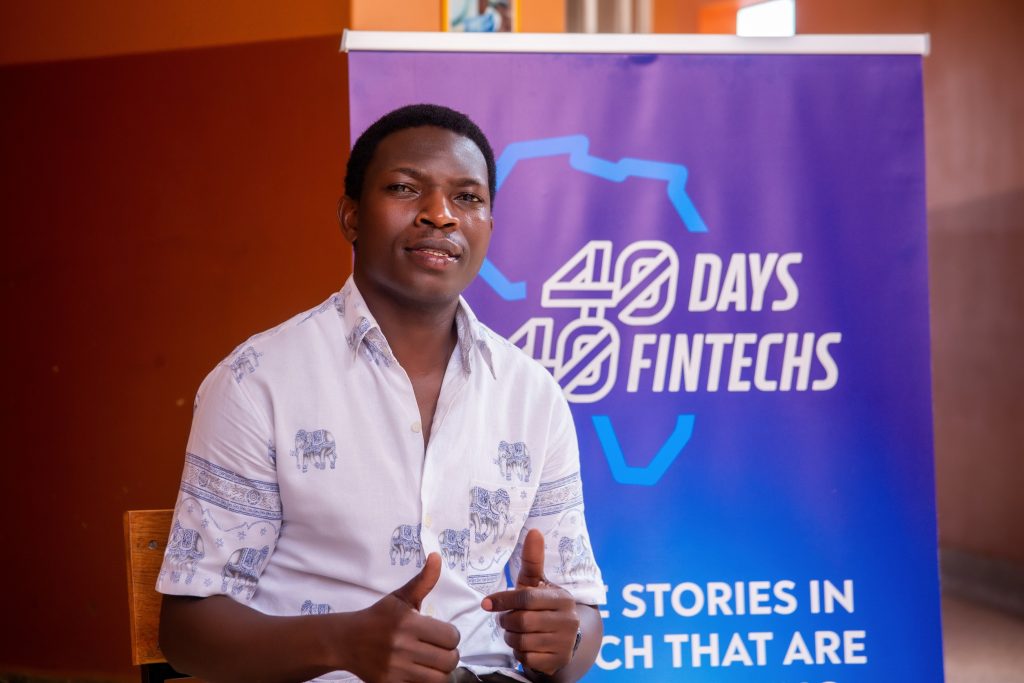
This was revealed by Malcolm Kastiro, the founder and chief executive officer, Mallan Company Limited during the second day of the 40-days-40-FinTechs initiative that is organized by HiPipo under its Include EveryOne programme, in partnership with Crosslake Tech, ModusBox and Mojaloop.

The initiative seeks to enable FinTechs to innovate solutions that facilitate cross-network financial transactions at minimal risks to enhance access to financial services.

Running for 40 days, the project will see the participating 40 FinTechs acquire interoperable development skills to improve access to financial services, using the Mojaloop open source software.

Kastiro also noted that the Information and Communications Technology solutions company that specializes in value added services and advanced credit services in the mobile payments space, is also working on a payment gateway using the Mojaloop software that will innovate as many services as possible, with various options and features that users enjoy.

Additionally, he said that the FinTech is considering creating an ecosystem that enables its clients to invest their money using the platform , make payments or send money outside the country, on top of the current sending money from one mobile money account to another or from a mobile money account to a bank and vice versa.

About Mallan

Mallan Company Limited was co-founded by Kastiro together with his young brother Allan. Both were pursuing their childhood dream of taking over the world.

It specialises in added value and advanced credit services with emphasis in the mobile payment space.

It offers a range of products including bulk payments, mainly for Small and Mid-sized Enterprises (SMEs)  that desire to pay their employees, staff or casual labourers but who do not have the ‘Know Your Customer’ requirements to open bank Accounts. They help them do bulky payments through mobile money.

Kastiro applauded HiPipo for the initiative, saying it has given them publicity by showcasing their products.

Additionally, he said that HiPipo’s collaboration and partnership with Mojaloop is helping them further understand and appreciate the role of payments in financial inclusion.

“HiPipo is giving us that platform that we need to get the products out there; they are giving us the platform that we need to acquire customers, and to get the necessary stakeholders on board  in terms of regulation and partnerships,” Kastiro said.

Innovative brains

The HiPipo CEO, Innocent Kawooya applauded Mallan for the innovative brains, saying that it has an amazing story and many forward thinking people.

“One of the things that I would credit Mallan team for is that they have got an amazing and very organised team that is ready to go to the market and make a difference,” Kawooya said.

He added: “As we speak about transforming millions of lives using financial technology, one of the most important aspects of transformation is understanding and appreciating the benefits technology can do for our people and our lives.”

He also commended Mallan for building amazing interoperable solutions that will serve people at the bottom of the pyramid.

“Mallan has products that work with Saccos, which are amazing; it is trying to break the traditional ways of saving money in boxes and locking it with a padlock. That is very important for us to have as a service and as a thought for an organisation like them that is in financial technology,” he noted.

He added that Mallan is already embracing the use of Mojaloop, an amazing standard that is globally accepted and which works with the Global System for Mobile Communications Association Application Program Interface specifications.

“We are sure when they are developing a solution off Mojaloop, it will be interoperable, convenient, reliable and very secure because they have all those standards in the solution they are developing,” Kawooya explained.

As an ecosystem advocate, Kawooya pledged that HiPipo will support all the FinTechs that they are engaging by ensuring that they advocate for simpler regulation with the regulators and partners such as Mobile Money Operators and banks to enable them integrate much easier. He also pledged to help them on publicity so as to enable the public know the kind of products they offer.

Going forward, Mallan intends to play a great role in driving financial inclusion in Uganda, right from access to the right financial products to financial literacy and how people can interact with the different technologies available to appreciate systems and the processes.

Financial inclusion in Uganda is estimated at 78%, with formal financial inclusion estimated at 58%, according to the 2018 FinScope survey.

Kanzu Code on the path to boosting financial inclusion.

By Our Reporter

Kanzu Code, a Financial Technology Company (FinTech) that builds inclusive financial tools is set for greater heights, following its enrollment in the 40-days-40-FinTechs project.

The 40 days 40 fintechs project has exposed Kanzu Code to latest financial technology tools that will enable them develop more interoperable solutions using new technologies such as Mojaloop Open Source Software. In all; with their involvement in this project, Kanzu Code is now much more equipped to play its part in Uganda, somewhat Africa’s financial inclusion drive.

Organised by HiPipo under its Include EveryOne programme, in partnership with Crosslake Tech, ModusBox and Mojaloop Foundation, the 40-days-40-FinTechs project seeks to enable FinTechs to innovate solutions that facilitate cross-network financial transactions at minimal risks and thus enhance access to financial services.

Running for 40 days, the project will see the participating 40 FinTechs, including Kanzu Code, acquire interoperable development skills to improve access to financial services, using the Mojaloop open source software.

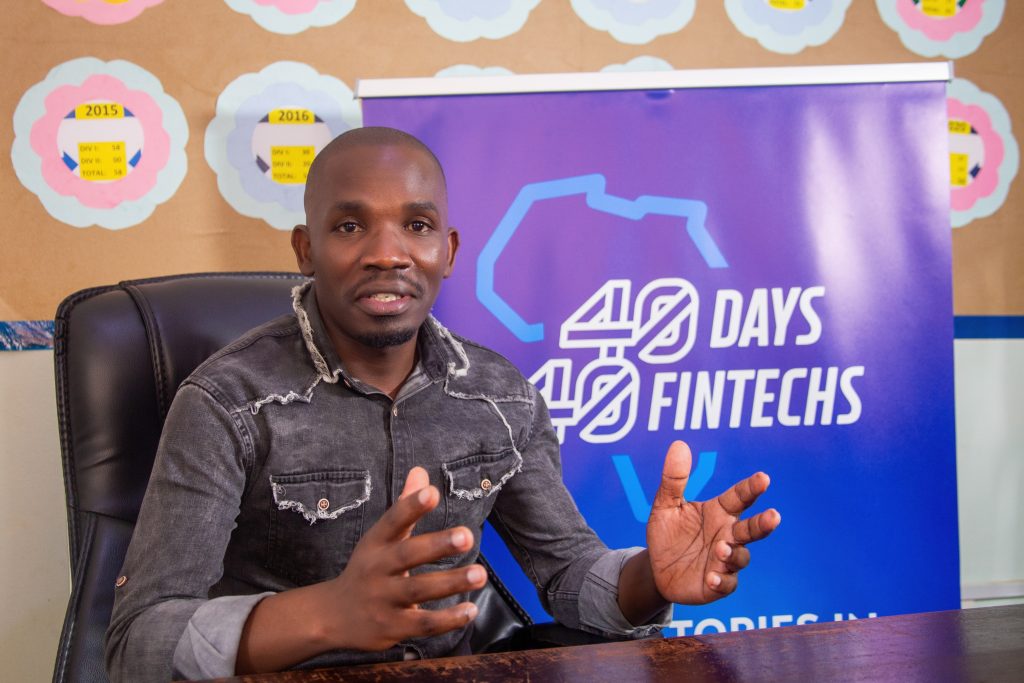
Speaking on day one of the 40 days 40 fintechs project at the Kanzu Code offices, Peter Kakoma, the firm’s team leader applauded HiPipo, and its partners for investing in both technology and interactions that enable developers to build accessible, reliable and affordable financial inclusion products.

“This is a big thing for our ecosystem; we are so excited about it and committed to working together with likeminded individuals in this financial inclusion journey. We cannot wait to roll it out new products supported by latest technologies such as Mojaloop and many others into our market,” Kakoma says.

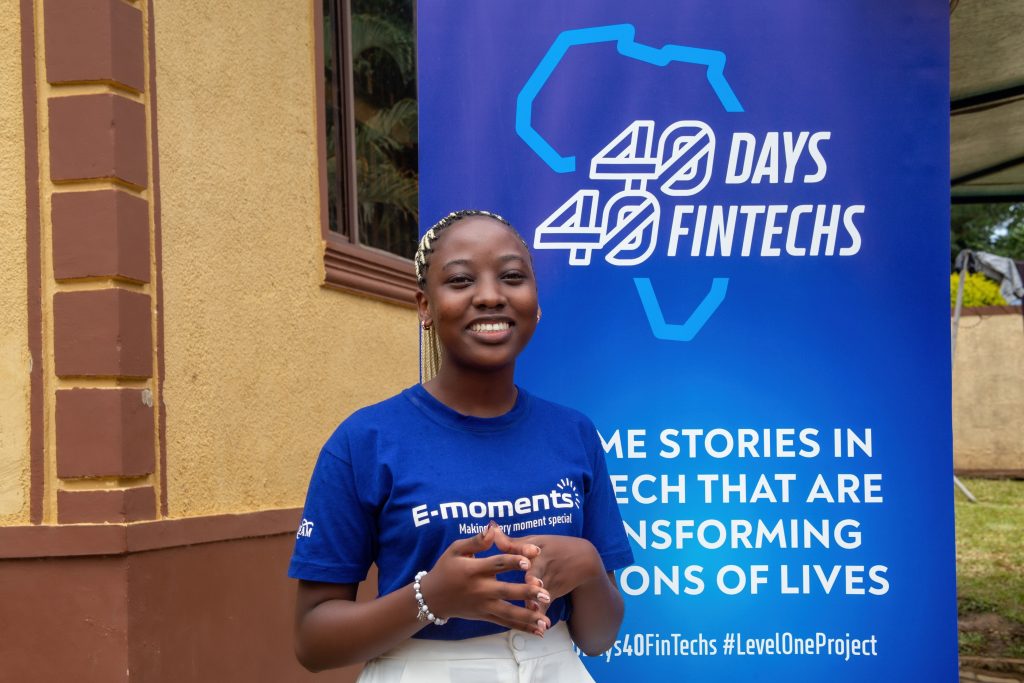
The Kanzu Code Operations Assistant Joy Amanda alluded to how the participation in the project will boost their capacity to reach more people, including women, who are often financially excluded.

“Mojaloop will create an opportunity for women to access financial services and unlimited opportunities like selling their products online, getting loans and savings,” Amanda said.

On his part, Innocent Kawooya, the HiPipo CEO said that this initiative has been informed by the need to promote secure digital financial services, given their vital role in promoting financial inclusion.

“This speaks to an ecosystem which has played a great role in transforming many lives especially in Africa but very few people have paid attention to shining a light on the amazing stories and names that are doing these great things to transform lives,” Kawooya noted.

He added: “For instance, over 200,000 families in Kenya today have solar energy; thanks to mobile financial services like M-Pesa, and the fact is that they are able to pay for solar in installments using mobile money.”

Kawooya explained that Africa and Uganda in particular, have many amazing stories such as the Kanzu Code story, that need to be brought to the limelight.

“Kanzu Code has a team of developers; it is developing solutions to ensure that it empowers the under and un banked, some of whom are working in Saccos and other operations that allow them to start thinking of saving and investment,” he said.

Kawooya said that by promoting financial technology as a sector and the general financial inclusion ecosystem in particular, will play a critical role in boosting financial inclusion in Uganda.

“Today, Africa speaks to more than 400 million mobile money wallets. That means 400 million people are banked. So this initiative in may be another five years should cause another 400 million people to get banked thanks to solutions like Mojaloop that causes interoperability,” he said.

The initiative is expected to boost the on-going financial inclusion efforts in Uganda.

The 2018 FinScope survey puts Uganda’s formal financial inclusion at 58%. If combined with informal, Uganda’s financial inclusion jumps to 78%.

Profitability

Kawooya noted that with such collaboration, the market for FinTechs in Uganda is destined to expand and that FinTechs will become more profitable by leveraging technology to onboard more customers.

Additionally, he said that telecoms will also be able to provide more financial services, other than the Person-to-Person and withdrawals, to do more loans, savings and insurance. The government and the non-governmental organizations will also be able to serve the vulnerable in a much better way that includes everyone.

He noted that the collaboration will see them support Kanzu Code and other participating firms to get their product to the last person so as to impact lives.

Using their expansive network of global experts, HiPipo will also offer advisory services to the participating firms.

About Kanzu

Celebrating its 6th birthday, Kanzu Code is a technology company that builds inclusive financial tools for businesses, individuals and communities.

It offers a number of tools for businesses, individuals and communities including Kanzu Banking, – a  software that empowers micro-finance institutions, savings and investment groups to manage their portfolios seamlessly using reliable, user-friendly and secure web and mobile technology.

The other tools are Kanzu Money, which allows for sending money from one mobile operator to another in a simple way, in addition to building enterprise web and mobile solutions for different businesses.

The 40 days 40 fintechs project will continue tomorrow with the second FinTech profiled.

END

#40days40fintechs Update: Interaction with shortlisted participants kicks off.

KAMPALA, UGANDA – 07 May, 2020. As part of its on-going Financial Inclusion efforts, HiPipo will tomorrow 08th roll-out the second phase of the 40 DAYS 40 FINTECHs initiative.

This phase will include direct interactions with shortlisted FinTechs; shining a light on to one participant every day for the next 40 days – Monday to Saturday, introduction to interoperability using Mojaloop and wider discussions on both opportunities and challenges in the sector.

Announced on 13th May 2020, the 40 DAYS 40 FINTECHs project is showcasing 40 Africa based Financial Technology companies with Women led FinTechs given special attention.

While unveiling the project recently, Innocent Kawooya – the HiPipo CEO noted that this initiative will help to expose local FinTechs, Developer teams or emerging companies to new tools available to reach the poor and as such extend access to innovative financial services.

“FinTechs should be excited because they have a grand chance to expand their market, first through learning and developing interoperable solutions using new amazing technologies such as Mojaloop. And secondly, because of the many discoveries and lessons they are going to make from the many astonishing and failed stories that we are going to discover and expose to the FinTech community and the world.” Mr. Kawooya said, adding;

“Additionally, thanks to this initiative, Mobile Network Operators and Banks are going to be more open to integration and collaboration and last but most importantly, one or a number of the FinTechs that will participate in the initiative, collaborate and embrace the use of Mojaloop might turn into the real heroes of our economy that will maybe create a payment switch that will simplify payments interoperability in different markets forever.”

For the next 40 days, this project will be aired on Smart 24 TV at 8pm, uploaded across social media and featured in other traditional and new media outlets.

A few slots still remain for both Ugandan based and Women centric Fintechs. Follow this link to learn more about the 40 DAYS 40 FINTECHs registration – https://www.hipipo.org/40-days-40-fintech/

Include EveryOne Program.

HiPipo is keen to promote secure digital financial services because of their vital role in promoting financial inclusion. We through the Include Everyone program identify, analyse, and prioritize trends and innovations in digital financial services (DFS) that have potential impact on financial inclusion in Africa. The primary objective is to flag, advocate for and shine a light on impactful and transformative directions in the financial inclusion arena.

Our aim is to influence and shape financial technology and policy decisions within regulators, policy makers, government, political, economic, and social systems and institutions.

About Mojaloop OSS.

Mojaloop OSS is open-source software for financial services companies, government regulators, and others taking on the challenges of interoperability and financial inclusion. It was originally developed by ModusBox with funding from Bill & Melinda Gates Foundation Level 1 Project in 2017.

However, on May 6th 2020, the Mojaloop Foundation was unveiled with its initial sponsors being Coil, Bill & Melinda Gates Foundation, Google, ModusBox, Omidyar Network, and The Rockefeller Foundation. The established of the Mojaloop Foundation will extend financial inclusion efforts, initiated by the Mojaloop platform to over 500 million people in developing countries.

In West Africa, MTN and Orange Group are already using Mojaloop for a joint mobile money wallet product code-named MOWALI, Tanzania, at the start of 2019 rolled out the Tanzania Instant Payments System (TIPS) fully supported by the same software while in Kenya, a Mojaloop developers community is picking up.

Mojaloop made its entry in to Uganda in September 2019 with a 3 days Hack Mojaloop Developers workshop held in Kampala and organized by HiPipo – a local partner of Mojaloop in the country.

Ends.

Registration for 40 DAYS 40 FINTECHs kicks-off.

KAMPALA, UGANDA – May 13, 2020. As part of its on-going Financial Inclusion efforts, HiPipo has today launched the 40 DAYS 40 FINTECHs initiative with online registration currently underway.

40 DAYS 40 FINTECHs, running from  25th May to 5th July 2020 will have 40 Africa based FinTech companies get introduced to Mojaloop OSS and guided on how to best use this open source software to achieve the best financial inclusion results for their bigger audiences with Women led FinTechs given special attention.

While announcing this development, Innocent Kawooya – the HiPipo CEO noted that this initiative will help to expose local FinTechs, Developer teams or emerging companies to new tools available to reach the poor and as such extend access to innovative financial services.

“FinTechs should be excited because they have a grand chance to expand their market, first through learning and developing interoperable solutions using new amazing technologies such as Mojaloop. And secondly, because of the many discoveries and lessons they are going to make from the many astonishing and failed stories that we are going to discover and expose to the FinTech community and the world.” Mr. Kawooya said, adding;

“Additionally, thanks to this initiative, Mobile Network Operators and Banks are going to be more open to integration and collaboration and last but most importantly, one or a number of the FinTechs that will participate in the initiative, collaborate and embrace the use of Mojaloop might turn into the real heroes of our economy that will maybe create a payment switch that will simplify payments interoperability in different markets forever.”

Follow this link to learn more about and register for the 40 DAYS 40 FINTECHs project – https://www.hipipo.org/40-days-40-fintech/

Include EveryOne Program.

HiPipo is keen to promote secure digital financial services because of their vital role in promoting financial inclusion. We through the Include Everyone program identify, analyse, and prioritize trends and innovations in digital financial services (DFS) that have potential impact on financial inclusion in Africa. The primary objective is to flag, advocate for and shine a light on impactful and transformative directions in the financial inclusion arena.

Our aim is to influence and shape financial technology and policy decisions within regulators, policy makers, government, political, economic, and social systems and institutions.

About Mojaloop OSS.

Mojaloop OSS is open-source software for financial services companies, government regulators, and others taking on the challenges of interoperability and financial inclusion. It was originally developed by ModusBox with funding from Bill & Melinda Gates Foundation Level 1 Project in 2017.

However, on May 6th 2020, the Mojaloop Foundation was unveiled with its initial sponsors being Coil, Bill & Melinda Gates Foundation, Google, ModusBox, Omidyar Network, and The Rockefeller Foundation. The established of the Mojaloop Foundation will extend financial inclusion efforts, initiated by the Mojaloop platform to over 500 million people in developing countries.

In West Africa, MTN and Orange Group are already using Mojaloop for a joint mobile money wallet product code-named MOWALI, Tanzania, at the start of 2019 rolled out the Tanzania Instant Payments System (TIPS) fully supported by the same software while in Kenya, a Mojaloop developers community is picking up.

Mojaloop made its entry in to Uganda in September 2019 with a 3 days Hack Mojaloop Developers workshop held in Kampala and organized by HiPipo – a local partner of Mojaloop in the country.

Ends.

Mojaloop Foundation set to boost Digital Payments in developing countries.

The availability and affordability of digital financial services (DFS) in developing countries is set to further improve with at-least 500 million people targeted as direct beneficiaries.

This follows the recent formation and launch of the Mojaloop Foundation by global tech leaders, with its initial sponsors being Coil, Bill & Melinda Gates Foundation, Google, ModusBox, Omidyar Network, and The Rockefeller Foundation.

The Mojaloop Foundation will extend financial inclusion efforts, initiated by the Mojaloop platform that was originally developed by ModusBox with funding from Bill & Melinda Gates Foundation in 2017.

Mojaloop is open-source software for financial services companies, government regulators, and others taking on the challenges of interoperability and financial inclusion.

In an interview, Kosta Peric, who doubles as the Mojaloop Foundation chairman and deputy director, Financial Services for the Poor, at Bill & Melinda Gates Foundation noted that sponsoring members have agreed to ensure that the organization adheres to “our fundamental mission of financial inclusion and to advocate for the on-going development and enhancement of the Mojaloop software.”

He added: “As the emphasis of the digital payments moves to ‘real-time’ and ‘person-to-person’ payment platforms, I think new, innovative service companies in transportation, solar-pay-as-you-go, digital markets and others, can benefit from Mojaloop’s model. I hope that Mojaloop will be an innovation vector for the creation of more innovative companies of this nature that can benefit the lives of the poor.”

Focus on Africa.

Africa has been the pacesetter for mobile financial services. Since 2007 when M-Pesa – the world’s first mobile money platform was launched by Kenya’s Safaricom, mobile money has blossomed on the continent.

According to the 2019 GMSA State of the Industry Report on Mobile Money, Africa (sub-Saharan plus north) currently has close to 500 million mobile money accounts including about 200 million active users. This represents 50 per cent of the world’s over 1 billion registered mobile money accounts.

Eastern Africa alone has about 249 million registered accounts, including some 102 million active accounts. Uganda alone has more than 22 million mobile subscribers currently. A bigger percentage of these users mainly use the wallet to wallet, person to person (sending, receiving and withdrawing) services.

Nonetheless, more effort must be put in to mobile money value added services and that is where platforms like Mojaloop become very critical.

In West Africa, MTN and Orange Group are using Mojaloop for a joint mobile money wallet product code-named MOWALI, Tanzania, at the start of 2019 rolled out the Tanzania Instant Payments System (TIPS) fully supported by the same software while in Kenya, a Mojaloop developers community is picking up.

Mojaloop made its entry in to Uganda in September 2019 with a 3 days Hack Mojaloop Developers workshop held in Kampala and organized by HiPipo – a local partner of Mojaloop in the country.

The developers that took part in the Hack Mojaloop workshop were optimistic that this open source software was well positioned to solve financial interoperability (cross network mobile money transactions) challenges that were a headache to players and customers alike.

At that time, mobile money platforms were experiencing several performance hiccups that made it impossible for MTN Mobile Money customers to send money to Airtel Money customers and vice-versa for over two months.

Even though the stand-off that both telecoms blamed on technical glitches has since been resolved, more needs to done and Mojaloop will come through for Uganda.

According to Innocent Kawooya, the CEO of HiPipo – the local partner leading the software’s adoption in Uganda and Africa, the Mojaloop Foundation is timely as FinTechs will now have a chance to better serve more than 500 million unbanked people in Africa, by developing affordable interoperable secure payment systems, across different sectors and industries, at a very low cost using Mojaloop.

“We should be excited about the fact that with Mojaloop, you can connect not only the mobile money systems but also the traditional banks. This means, users and service providers alike will be able to openly process payments flexibly to any network, or bank anytime, plus the amazing possibility of transacting across borders, affordably,” Mr. Kawooya asserted.

With the world faced with the COVID-19 pandemic, digital financial services are central in combating its spread. They will not only deepen financial inclusion but also keep millions of people safe,” the recent Lifesaving capacity of Digital Financial service report by HiPipo noted.

The launch of Mojaloop Foundation was covered by New Vision – Uganda’s biggest newspaper.

Launch of Mojaloop Foundation is set to boost the on-going Mojaloop Financial Inclusion mission.

WAKEFIELD, Mass., USA – May 6, 2020 – The Mojaloop Foundation today announced its formation as a charitable nonprofit organization to extend financial inclusion efforts initiated by the Mojaloop open source software project. To achieve its mission, the Mojaloop Foundation will operate with an open governance model and legal framework dedicated to advancing and maintaining the Mojaloop free, open source software and development community as public goods in service of financial inclusion globally. Coil, Bill & Melinda Gates Foundation, Google, ModusBox, Omidyar Network, and The Rockefeller Foundation have joined the organization as the initial Sponsor members. More information about Mojaloop is available on GitHub and at https://mojaloop.io/.

Despite mobile money services emerging in nearly 100 countries, 1.7 billion people still lack access to digital financial services, according to the World Bank’s Global Findex. A lack of interoperability between digital financial services and payment platforms is a large part of the problem. It can be costly and complex to build interoperable systems that are inclusive to all. Mojaloop serves as a blueprint for how to simplify and reduce the cost of payment interoperability so that banks and other providers can develop tools that meet the needs of emerging markets and the unbanked. Increasing access to digital financial services and tools are critical to accelerating the rate at which the financially excluded move into the formal financial system and hold on to the gains they have made, especially in developing economies. If widely adopted, interoperable digital financial services could provide more of the population with access to important financial tools, while adding $3.7 trillion to emerging countries’ GDP by 2025, according to McKinsey Global Institute.

“More affordable, accessible digital financial services are still needed to close the financial inclusion gap,” said Paula Hunter, executive director, the Mojaloop Foundation. “With the launch of the Mojaloop Foundation, our initial Sponsor members will serve as active contributors to achieving our financial inclusion mission. Mojaloop open source software, its collaboration community and convenings will continue to serve as a path forward for organizations creating interoperable payments platforms to connect all digital financial providers and customers within an economy. We encourage organizations interested in our mission of financial inclusion to join the Mojaloop Foundation.”

Named after the Swahili word for “one,” Mojaloop is a reference model for payment interoperability between services and providers. This interconnectedness, within an economy, can reduce barriers to customer access and potential transaction volume, as well as increase opportunities for low-income individuals to access services that are traditionally out of reach.

The open source software was first established by the Gates Foundation in 2017 to support its financial inclusion work. With the launch of the Mojaloop Foundation, the work initiated by the Mojaloop project will continue to serve banks, digital financial service providers, governmental offices, NGOs, regulators, technology companies and other entities in emerging economies where financial inclusion efforts can most benefit underserved communities.

“Our vision of universal financial inclusion is a world where everyone, everywhere, can access and use the digital financial services they need to build economic security and resilience,” said Kosta Peric, the newly-appointed chairman of the Mojaloop Foundation and deputy director of the Financial Services for the Poor program at the Gates Foundation. “The work of the Mojaloop open source project will thrive with the talent, innovation and leadership from this dynamic group of member organizations, in service of our shared mission to benefit underserved and low-income communities.”

Mojaloop Foundation Welcomes Board of Directors, Officers, Technical Governing Board

The Mojaloop Foundation’s newly-appointed Board of Directors, Officers, and Technical Governing Board provide the strategic vision, funding, and technical guidance to ensure the long-term health and growth of the Mojaloop open source software and development community. Comprised of appointees from each of the organization’s Sponsor members, each member of the Board of Directors has one equal vote, and a fiduciary duty to support the mission of the organization.

The 2020-2021 Mojaloop Foundation Board of Directors include Miller Abel, Deputy Director and Principal Technologist, Gates Foundation; Adama Diallo, Head of Partnerships for Next Billion Users Africa, Google; David Wexler, CEO, ModusBox; Adrian Hope-Bailie, Head of Services and Interledger, Coil; CV Madhukar, Managing Director, Beneficial Technology, Omidyar Network; and Kevin O’Neil, Director of Data and Technology, The Rockefeller Foundation.

The Mojaloop Foundation Board of Directors elected the following Officers and Technical Governing Board (TGB) for the 2020-2021 term to oversee the organization’s work: Kosta Peric, Chairman; Paula Hunter, Secretary; and Robert Ron, CFO of ModusBox, will serve as Treasurer.

TGB representatives for the 2020-2021 term include Miller Abel; Adrian Hope-Bailie; JJ Geewax, Software Engineer, Google; and Warren Carew, Vice President, ModusBox. Overseen by the Board of Directors, the TGB will oversee the organization’s work, including participation in software decisions and authorization of code maintainers, consistent with the Mojaloop Foundation’s charitable and educational purpose.

Supporting Quotes from Mojaloop Foundation Initial Sponsor Members

“The Mojaloop Foundation has brought together a diverse group of organizations and corporations that are champions of the essential role of interoperability in accelerating financial inclusion. This alliance will help make critical progress on the development of digital payment systems to support inclusive economies. We welcome additional organizations to join us in this important work,” said Mojaloop Foundation founding Sponsor member Miller Abel, deputy director and principal technologist for the Financial Services for the Poor program at the Gates Foundation.

“The inherent challenge with deploying payment systems is that it is a complex concept and isn’t as simple as ‘buy this technology and install it.’ There are regulatory components; operational components; training and enablement; financial inclusion principles, among other challenges. What’s great about the formation of the Mojaloop Foundation is that we’ve brought together a team of diverse experts in all of those various components. The collaboration between these experts and the development community is really what’s going to drive the success of our financial inclusion mission,” said Mojaloop Foundation founding Sponsor member David Wexler, CEO, ModusBox.

“At Google, we believe that financial institutions, governments and technology companies need to work together if we want to empower people to be financially capable. In joining other Sponsor members in building the Mojaloop Foundation, we are providing ways for all of us to work together to advance financial inclusion that will transform lives — that means seeing that people understand digital money, have access to it and manage it with confidence, and use it to make their lives better. That, to us, is what it means to make technology open, accessible and helpful for everyone,” said Mojaloop Foundation founding Sponsor member Adama Diallo, head of partnerships for Google’s Next Billion Users Initiative in Africa.

“More and more businesses want their payment systems to be inclusive to all but need a blueprint for overcoming the cost and complexity of payment interoperability. Mojaloop open source software provides that reference model, empowering organizations to create real-time, interoperable, inclusive payment systems based on financial inclusion principles. With the formation of the Mojaloop Foundation, Coil is excited to join our fellow founding Sponsor members to uphold the financial inclusion mission set by the Mojaloop open source project,” said Mojaloop Foundation founding Sponsor member Adrian Hope-Bailie, head of Services and Interledger, Coil.

“With the support of its dedicated community of developers, Mojaloop is designed upfront with the privacy, security, and other critical safeguards to truly enable safe, trustworthy, and inclusive financial services. And the Mojaloop Foundation brings together the leaders needed to provide that direction, funding, and legal framework to ensure its open source software always remains a free, public good,” said Mojaloop Foundation founding Sponsor member CV Madhukar, managing director of Beneficial Technology at Omidyar Network.

“It’s more important than ever to increase access to high-quality digital financial services that are affordable for people of any income level. Because Mojaloop is open and accessible, it’s not only bringing transformative impact to families and communities, but serves as a model for how to build digital public goods that work for everyone,” said Mojaloop Foundation founding Sponsor member Kevin O’Neil, director of Data and Technology, The Rockefeller Foundation.

HiPipo Foundation is a Mojaloop Community Partner.

About the Mojaloop Foundation

The Mojaloop Foundation’s mission is to increase financial inclusion by empowering organizations creating interoperable payment systems to enable digital financial services for all. To achieve its mission, Mojaloop Foundation operates as a charitable nonprofit, maintaining its free, open source software, Mojaloop, and community as public goods in service of financial inclusion. Merchants, banks, providers, government offices and other entities looking to build inclusive payments platforms can use Mojaloop—whole, adapted, or as a real-time payments reference model. The Mojaloop Foundation is in the process of applying for its 501(c)(3) tax-exempt status. For more information about the Mojaloop Foundation, visit https://mojaloop.io/.

Uganda moves to arrest COVID-19 cases imported by Cross Border Cargo Drivers.


Our Reporter.

The Office of the Prime Minister through the National Secretariat for the National Task Force on Covid-19 has issued strong guidelines for cross border trade trucks and their drivers operating in Uganda.

These guidelines are expected to curb imported Coronavirus cases by cargo transporters.

In the last 2 weeks, about 20 trucks drivers have tested positive of this dreaded disease, to the bitterness of Ugandans who fear that these new cases that are largely imported may force government to extend the ongoing 21 days lock-down that is ending on 5th May.

The transporters are largely agreeable to these guidelines save for one – introduction of relay driving.

Byron Kinene, the Chairman Regional Transporters Association in Uganda has called for mandatory testing of drivers at port of origin, border posts and final destination.

While appearing on UBC TV, he thanked TradeMark East Africa for investing in Regional Electronic Cargo Tracking System and urged Uganda Revenue Authority to add 10 minutes alarms for bad drivers that park in ‘undesignated’ areas.

He called for drivers and population discipline including drivers chasing away the public mainly women from coming to their trucks and vice versa.

Mr Kinene nonetheless asked Uganda not to undertake RELAY DRIVING as it is dangerous for trade, trucks, drivers & population alike.

Kenya Transporters Association is also strongly opposed to the RELAY DRIVING idea.

Below are the complete guidelines as issued by the Uganda COVID-19 task-force.

Page 1

Page 2

Page 3

Page 4

Page 5

Page 6

Page 7

Page 8

Ends.

Cargo Drivers’ Compulsory Tests and Strict Route Discipline will curb COVID-19, not Relay Driving.

Nicholas Kalungi.

The Uganda COVID-19 Taskforce has suggested several stringent measures to address the issue of cross-border Cargo Trucks Drivers importing the feared coronavirus in to Uganda.

This comes in the aftermath of some 22 Cargo Trucks Drivers testing positive of COVID-19 in the last two weeks, ending 26th April. These include 11 new cases recorded on Thursday 23th April. On that alarming day, 6 Tanzanian truck drivers who arrived via Mutukula Border post and 5 Kenyan truck drivers who arrived via Malaba (3) and via Busia (2) tested positive of this dreaded disease.  Plus 4 newer cases were reported on Sunday, 26th April – all of Cargo drivers that entered Uganda through Mutukula.

By Sunday 26th April -23:00pm, Uganda had a total of 79 confirmed COVID-19 cases; including 46 recoveries and 33 active cases.

The tough measures that have been brought forward to address the cross border trucks drivers’ issue include but not limited to; mandatory tests of truck drivers at the cost of the freight forwarders ( trucks owners), each truck having a crew of two ( driver and 1 assistant) on-board, designating a maximum of three refreshment stops for trucks while on Ugandan soil, prohibiting drivers from interacting with the public and Uganda Revenue Authority (URA) acquiring 5000 new Regional Electronic Cargo Tracking (RECTs) Seals to be embedded on to all trucks that enter Uganda for easy automatic locating and monitoring.

URA showcases the Regional Electronic Cargo Tracking system (RECTs) to the Uganda COVID19 Taskforce.

All these are very good, pragmatic, and achievable. They will supplement the other measures already in place in winning the COVID-19 war. Nonetheless, there is one strange, call it offbeat recommendation.

This odd proposal is for freight forwarders to adopt mandatory RELAY DRIVING for their trucks by end of May, 2020. Just like it is in athletics, relay driving in this case would mean, a truck coming from Mombasa having the same driving crew until Malaba, but as soon as they reach Malaba One Stop Border Post, this crew will pass on the truck to another set of drivers, who will also handover the truck to another crew for the case of transit cargo whose final destination is outside Uganda. At every exchange, the COVID-19 taskforce recommends thorough decontamination of each truck.

Allow me debunk this relay driving suggestion.

First and foremost, about 70 per cent of Cargo Trucks that enter Uganda are in transit whose final destinations are Rwanda, Burundi, Dr Congo, Central Africa Republic and South Sudan, etc. If you are to implement Relay Driving, all trucks in transit will need a minimum of 6 crew members altogether. That is to say, two from Mombasa to Malaba, two from Malaba to Elegu and another two from Elegu to inland South Sudan; in case that is the final destination. For freight forwarders to undertake this, they must deploy resident drivers in every country they operate in. Uganda’s main inland port – Malaba border post alone clears about 1200 incoming cargo consignments and about 800 outgoing trucks per day. You can do the rest of the math on the costs that will be involved, with Malaba as one example.

The Export and Import Routes at the Malaba Border Post.

Secondly, less than 20 per cent of the cargo trucks that arrive in Uganda are driven by Ugandans. A big majority of these cargo trucks’ drivers are Kenyans and Tanzanians. As a country, our professional truck drivers’ manpower is very limited. These trucks are also largely owned by Kenyan and Tanzania companies. For the record, the biggest freight forwarders company in Uganda owns about 200 trucks and the second biggest has less than 100 trucks.

Thirdly, because we have very few professional and experienced truck drivers, it will be ‘attempted murder’ to the side of the trucks and other road users if these trucks are handed over to drivers with limited competence and experience. Such an act will be the mother of more road accidents, and damage beyond repair to these trucks’ operating/engine systems. Depending on the manufacturer’s technology mastery; a system of a normal trailer has several differences with that of a straight box, car transporter, jumbo, flatbed, tanker or lowboy. The differences become even more complex and vary from one cargo truck maker to another. Indeed Sinotruks are different from MAN, Renault and Mercedes-Benz.

Lastly, as observed by Kenya Transporters Association, “both the security and safety of the cargo will be compromised by the multiple drivers that will be involved in a single haulage if Relay Driving is implemented. Truckers will also face hurdles in tracing driver’s responsibilities on trucks misuse, damages and theft of fuel and parts.”

The long and short of this is that Uganda lacks sufficient professional and experienced drivers to implement this relay driving suggestion. Plus relay driving if adopted will leave truckers compromised with hefty costs, insurance, and safety challenges in addition to several trucks being damaged beyond repair.

Meanwhile, with effect from today 27th April, Rwanda Revenue Authority has taken up Relay Driving, declaring that all cargo and conveyors shall be offloaded and transshipped at customs points of entry – border posts. This is very unfortunate.

Just like USA President, Donald Trump has repeatedly said; “the cure can’t be worse than the problem itself. Be careful, be safe and use common sense!”

The writer is a communications and financial inclusion expert.

nicholaskalungi@gmail.com

Trucks’ Owners must ensure that their Drivers and Turnboys are COVID19 negative.

Nicholas Kalungi.

Many Ugandans are sad right now. Not because the government has failed to handle the Coronavirus pandemic.

On the contrary, while the government’s positive ratings have skyrocketed in the past one month, there is growing loss of confidence with a big part of the population including myself now believing that we are being somehow let down.

By today morning – Friday 24th April, Uganda had a total of 74 confirmed COVID19 cases; including 46 recoveries and 28 active cases. This week alone, Uganda has had more than 20 recoveries and discharges which is a great thing.

Nonetheless, in the same week, we have had about 20 new cases. These include at-least 15 from cross border trade truck drivers. Just yesterday, 6 Tanzanian truck drivers who arrived via Mutukula Border post and 5 Kenyan truck drivers who arrived via Malaba (3) and via Busia (2) tested positive of this dreaded disease.

READ this again: Uganda registered 11 new COVID -19 positive cases yesterday, all coming from Truck Drivers arriving from our very good neighbours.

Even more disheartening is the fact that most of these truck drivers are neither delivering nor picking cargo from Uganda. Majority of these are ‘transit transporters’ with their final destinations being Rwanda, Burundi, Dr Congo, Central Africa Republic and South Sudan. Uganda is the region’s Logistics Hub and thus a lot of transit business happens here.

As such, many Ugandans who are diligently implementing the lockdown guidelines are now confused and disturbed.  Many are sharing their frustration on Social Media with the hashtag – #StopTruckDrivers trending on Twitter. They worry that this lockdown may actually go past 5th May, not because the population didn’t put up with the government guidelines but because Uganda imported many COVID19 cases via our borders.

I have learnt from Daily Monitor website that the government is today 24th April, 2020, meeting Logistics stakeholders to fix this mess that is threatening the peace of mind of an entire nation.

Well, I won’t attend that meeting but here is what ought to be done.

To start with, Logistics players should ensure that all their drivers and turnboys do COVID19 rapid tests at point of departure, along the way including at the borders and at point of arrival. The truck owners should meet the cost of these tests which is about USD 100 per rapid test. Logistics is a multi-billion industry and as such, these costs are a mere drop in the ocean.

Secondly, Logistics Players should check their drivers and turnboys’ discipline along the way with a clear code of conduct implemented and hefty penalties for those that go against it. Cargo Transporters must immediately stop their ‘hospitality behaviour’ of stopping to ‘make merry’ in almost every town. Just like the rest of the population, they too will catch up with their relationships when the war is won.

Thirdly, Uganda Revenue Authority through the Regional Electronic Cargo Tracking System (RECTs) should ensure that all cargo trucks on transit with in Uganda have tracking devices.  That way, country will know which Truck crews are undermining set guidelines. For the record, RECTs was used to locate the first truck driver that tested positive of COVID19 last week. It is that effective.

Lastly, Government should immediately impose weighty fines on Logistics Companies that fail to comply with the COVID19 safety standards as outlined by the president, ministry of Health and entire taskforce. The population, local leaders, and security forces should work together to see to it that the set guidelines are implemented to the dot.

In short, the government must see to it that private logistics players take individual responsible for their trucks’ crews. Regional Governments and Trucks’ Owners must thus ensure that all truck drivers and turnboys are tested at all points of entry; the negative ones allowed to proceed and the unfortunate positive ones denied access to Uganda and handed over to authorities in their respective countries of origin.

Yes, Trade must go on but it must be SAFE. After all this is WAR!

The writer is a communications and financial inclusion expert.

nicholaskalungi@gmail.com

DFID funded Regional Cargo Tracking System Helped to Intercept Truck Driver Who Tested Positive for COVID 19.

Our Reporter.

As part of government efforts to combat the spread of the dreaded COVID19 disease, all truck drivers driving into Uganda via the different border points are required to present themselves to the Ministry of Health officials for testing.

On the 12th of April, 2020 a truck driver enroute to Southern Sudan went through the same procedure before clearance by immigrations and Uganda Revenue Authority (URA) to proceed with his journey.

24 hours later, the results came back and one of the drivers tested positive. The hunt for the positive immediately kicked off.

The Regional Electronic Cargo Tracking System (RECTS) was used to trace the actual movement of the driver from Malaba OSBP up to Corner Kamdini Customs Check point where he was intercepted.

Implemented by Revenue Authorities, for Uganda – URA, the RECTS project is funded by the Department of International Development (DFID) through TradeMark East Africa.  It is now operational in Kenya, Uganda, Rwanda and DRC.

Revenue Authorities representatives from (L to R) DR Congo, Uganda, Kenya and Rwanda following the extension of RECTS to Congo in 2019.

RECTS utilizes the Global Positioning System (GPS) to trace the movement of trucks from their point of entry in a country right up to the point of exit to curb cargo dumping among many other risks along trade routes.

Following this interception, a team led by Hon. Amelia Kyambadde Uganda’s Trade Minister who is also the Chairperson of the National Covid19 Taskforce, met at the URA headquarters to further discuss how they can take advantage of the Electronic Cargo Tracking System in the fight to combat the spread of Covid19.

Kyambadde was accompanied by Gen. Katumba Wamala the Co-chairperson of the Taskforce who is also the Minister of Works and Transport together with other dignitaries from the Ministry of Internal Affairs and the Ministry Of Health.

The URA Commissioner General, John R Musinguzi took the team on a tour of the Regional Electronic Cargo Tracking System Control Centre and they witnessed how trucks are electronically trailed in real time from the points of entry up to when they exit the country. They also visited the Central Command Targeting Center where they witnessed real time monitoring of activities at the borders.

This monitoring can further provide information to the National Covid19 Taskforce on what is happening at the borders in terms of whether people are practicing and adhering to the medical guidelines issued such as social distancing, washing and sanitizing their hands, who is sneaking into the country and so much more.

The Taskforce together with URA management further discussed how to utilize the tracking system to ensure safety of truck drivers in a bid to combat the spread of Covid19.

“RECTS tracks the driver’s phone and the vehicle. Whereas the system was originally meant to avert the diversion of transit goods into the home market, RECTS has of recent proved that it can be a solution to track drivers in this COVID-19 pandemic. We have received a request from URA for more electronic seals to enable them track more vehicles in transit,” Moses Sabiiti, the TradeMark Country Director for Uganda and South Sudan noted following this development.

TradeMark EA through its CEO, Frank Matsaert a few days ago announced that it will spend USD 20 million on the SAFE TRADE Project aimed at ensuring that Trade continues without endangering lives. This USD 20 million will be shared by the over 11 countries TradeMark EA it operates in, depending on each country’s unique needs.

We have since understood that Uganda’s share of the USD 20 million will be announced before or around the 1st week of May. Part of this allocation will be spent on buying RECTs devices commonly referred to as seals.