Home Blog Page 15

Here are the Nominees for the 12th Prestigious HiPipo Music Awards: Cast Your Votes Now!

0

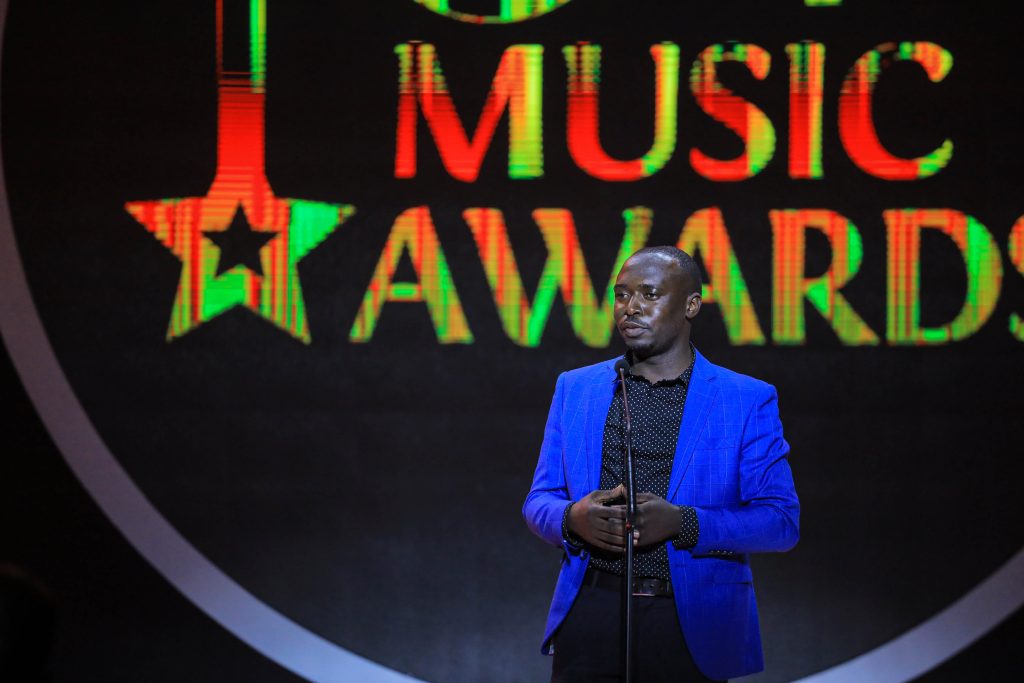
The HiPipo Music Awards (HMA) is proud to stride into its illustrious twelfth year and is excited to present the official 2023 nominations. The grand awards night is set to take place on Friday, 17th November, at the luxurious Kampala Serena Hotel.

Having established itself as a beacon of musical excellence in Africa, the HiPipo Music Awards has been at the forefront of celebrating and promoting the continent’s most exceptional talents. Over the years, it has been instrumental in uplifting and giving due recognition to countless artists.

This year, HiPipo has unveiled thirteen diverse categories that spotlight a vast expanse of talents. These span the dynamic Ugandan musical landscape, reach out to the broader East African horizons, and encompass the vibrant African continent.

Innocent Kawooya, CEO of HiPipo, expressed his enthusiasm; “The unveiling of the 2023 HMA nominations is a testament to the richness of African music. We are now calling upon all music enthusiasts to cast their votes for their favourite acts and artists. This is a celebration of the soundtracks of our lives from October 5th, 2022, to October 5th, 2023.”

Adding to this, he mentioned; “Our past ceremonies have showcased stellar performances, and this year promises even more dazzle. Stay tuned for the list of performers. But, for now, let’s ensure our favourite artists get the spotlight they deserve by voting for them.”

Voting is open until 6:00 PM on November 17th. Once the voting period concludes, the stage will be set for hours of anticipation, leading up to the grand announcement of the winners on the same night.

As the 2023 HiPipo Music Awards voting phase kickstarts, we are brimming with excitement. Alongside the global music community, we fervently await a night that promises to honour the best in African music.

Join us in this celebration! Cast your votes today at www.hma.HiPipo.com.

Categories Open for Public Nominations:

Africa

Africa Best ACT

  1. Ayra Starr – Sability
  2. Bien x DJ Edu – Too Easy
  3. Burna Boy – Rollercoaster (feat. J Balvin)
  4. Davido – UNAVAILABLE Ft. Musa Keys
  5. Diamond Platnumz – Yatapita
  6. Fik Fameica Ft. Cassper Nyovest, Khaligraph Jones & Navio – Mafia Remix
  7. Joshua Baraka – NANA Remix (Feat. Joeboy, King Promise & BIEN)
  8. Jux Ft. Diamond Platnumz – Enjoy
  9. Kizz Daniel, Empire – Cough
  10. Rexxie, Naira Marley & Skiibii – Abracadabra (Remix Ft. Wizkid)
  11. Ruger – Asiwaju
  12. Spyro Ft. Tiwa Savage – Who is your Guy? Remix
  13. Victony & Tempoe – Soweto

Africa Best Video

  1. Afande Miah & Afande OJ – Mambo Bado
  2. Asake – Organise
  3. A’shaan – Problem
  4. Burna Boy – Big 7
  5. Diamond Platnumz Ft. Koffi Olomide – Achii
  6. Kcee – Ojapiano
  7. Kizz Daniel, Empire – Cough
  8. Kuami Eugene, Rotimi – Cryptocurrency
  9. Mbosso – Huyu Hapa
  10. Patoranking – ABOBI
  11. TOOFAN – C’EST PAS NORMAL
  12. Wendy Shay – Habibi
  13. Zuchu Ft Innoss’B – Nani Remix

Africa Number One

  1. Asake
  2. Ayra Starr
  3. Burna Boy
  4. Davido
  5. Diamond Platnumz
  6. Fireboy
  7. Kizz Daniel
  8. Rema
  9. Sheebah
  10. Tiwa Savage

East Africa

East Africa Super Hit

  1. Bien – Inauma
  2. Billnass Ft Jay Melody – Puuh
  3. Deejay Pius – BONANE Ft Alyn Sano & Bushali Visualiser
  4. Diamond Platnumz – Yatapita
  5. Element EleéeH – FOU DE TOi Feat Ross Kana & Bruce Melodie
  6. Fik Fameica Ft. Cassper Nyovest, Khaligraph Jones & Navio – Mafia Remix
  7. Harmonize – Single Again
  8. Joshua Baraka – NANA Remix (Feat. Joeboy, King Promise & BIEN)
  9. Jux Ft. Diamond Platnumz – Enjoy
  10. Khaligraph Jones – Minimal Pressure
  11. Natacha – LAMGAMBO
  12. Sheebah – Yolo
  13. Wakadinali – Sikutambui

East Africa Super Video

  1. Afande Miah & Afande OJ – Mambo Bado
  2. A’shaan – Problem
  3. Bien x DJ Edu – Too Easy
  4. Diamond Platnumz Ft. Koffi Olomide – Achii
  5. Eddy Kenzo Ft. Morgan Heritage – Long to be home
  6. Element Eleeeh Ft. Ross kana & Bruce Melodie – Fou De Toi
  7. Harmonize – Single Again
  8. Mbosso – Huyu Hapa
  9. Nyashinski – Good to me
  10. Sheebah – Kika Buka
  11. Zuchu Ft. Innoss’B – Nani

Uganda

Best Regional Song

  1. A’shaan – Problem
  2. Benon Enze – Arua City Ft. Endy Joe
  3. Emily Kikazi X Rab J Ekyafaayo – Sharamu (Decide)
  4. Josh Rash – Onyamai
  5. Karah Gloria – E social Media
  6. Okeng Born Town – My Charana
  7. Omutume Planet – Chai Wenjaye
  8. Planet Aaron – Ekisambi Kya Abwooli
  9. Profesa Maros – Gala Eye
  10. Ray G X Ziza Bafana My Boo
  11. Shanandi – Maama Uganda
  12. Tinah Baiby – Tikaaloba
  13. Titus Vybes Ft. Eddy Kenzo – Sisikem

Breakthrough Artist

  1. Acidic Vokoz
  2. Alien skin
  3. Ava Peace
  4. Joshua Baraka
  5. Jowy Landa
  6. Kin Bella
  7. Ugaboys
  8. Victor Ruz
  9. Vivian Mimi
  10. Omugagga Ssende & Sharif Lukenge
  11. BentiBoys Africa

Most Viral Song 

  1. Alien Skin – Party
  2. Alien Skin – Sitya Danger
  3. B2C – Obulungi Bunuma
  4. Crysto Panda – Empele
  5. Gravity Omutujju – Kwepicha
  6. Hatim and Dokey – Did I Die
  7. Mudra D Viral – Balo Balo
  8. Omutume Planet – Chai Wenjaye

Song of the Year

  1. Alien Skin – Party
  2. B2C – Obulungi Bunuma
  3. David Lutalo – Nalongo
  4. Spice Diana – Siri Regular
  5. Joshua Baraka – Nana
  6. Karole Kasiita Ft. Vinka and Winnie Nwagi – Chekecha RMX
  7. Rema Namakula – Ampisaawo
  8. Sheebah – Kika Buka
  9. Vinka – Bailando

Video of the Year

  1. Afande Miah & Afande OJ – Mambo Bado
  2. A’shaan – Problem
  3. Azawi – Omwenge
  4. B2C – Kitooke Kyagonja
  5. David Lutalo – Nalongo
  6. Eddy Kenzo & Morgan Heritage – Long to be Home
  7. Mudra D Viral – Balo Balo
  8. Rema Namakula – Ampisaawo
  9. Sheebah – Kika Buka
  10. Victor Kamenyo Ft. Pipo – Money Bags

Best Male Artist

  1. Alien Skin
  2. B2C
  3. David Lutalo
  4. Eddy Kenzo
  5. Fik Fameica
  6. Joshua Baraka

Best Female Artist

  1. Karole Kasita
  2. Kataleya and Kandle
  3. Sheebah
  4. Spice Diana
  5. Vinka
  6. Winnie Nwagi

Artist of the Year

  1. Alien Skin
  2. David Lutalo
  3. Eddy Kenzo
  4. Fik Fameica
  5. Sheebah
  6. Vinka

Join us in this celebration! Cast your votes today at www.hma.HiPipo.com.

Celebrating a Decade of Digital Excellence: Here are the 2023 Digital Impact Awards Africa nominees

HiPipo takes this apt opportunity to unveil the 2023 Digital Impact Awards Africa nominees. The release of the nominations follows the completion of both the entries’ submission and verification processes that have been ongoing since mid-July.

The shortlisted nominees come from hundreds of entries done through the nomination portal and direct digital submissions by potential contenders and their supporters.

The unveiling of the nominees effectively kicks off the voting process that will go on until Friday 17th November. While all nominees are winners, the overall winner per category will be determined by a combined public-jury vote.

Celebrating a decade of digital transformation, the 10th edition of the Digital Impact Awards Africa is slated for 17th November 2023 at Kampala Serena Hotel as part of the annual Digital and Financial Inclusion Summit.

Digital Impact Awards Africa is a platform that promotes Digital Inclusion, Financial Inclusion, and Cyber Security. The Awards recognize and celebrate stakeholders who are spearheading the use of digital mediums to serve communities. They further celebrate digital excellence across the continent; big or small, local or international.

On the other hand, the Digital and Financial Inclusion Summit explores strategic trends and technologies that are shaping the future of Digital, ICTs, and Business. Special attention is paid to the safety of customers’ funds and the security of platforms in the Digital Financial Services ecosystem.

The 2023 summit will bring together hundreds of delegates including C-Level executives who are spearheading the scaling, adoption, and usage of digital and financial services across Africa, policymakers, young entrepreneurs, and innovators in the Digital and Financial Inclusion ecosystem. The summit will shine a spotlight on how businesses have recovered from the disruptive impact of the COVID-19 pandemic, and Cyber Security threats among other key topics.

It will have over 50 speakers from government, multinationals, large enterprises, small and mid-sized enterprises, and start-ups. Additionally, the summit will offer a platform for informal businesses (like market vendors, smallholder farmers, sole proprietors, public transporters, e-commerce delivery agents, etc.)  

Both the Digital Impact Awards Africa and Digital and Financial Inclusion Summit are organized by HiPipo in partnership with Level One Project, Mojaloop Foundation, INFITX, Cyberplc Academy, Ideation Corner, and Crosslake Technologies and generously supported by the Bill and Melinda Gates Foundation.

Here is the Full List of #DIAA2023 Nominations:

Community Digital Empowerment Excellence.

  1. Church Offertory and Tithe Collection by EzeeMoney
  2. Digital Messaging Platform for Catholic Dioceses by Cente Tech
  3. MTN ACE-Tech
  4. Oracle Academy
  5. Tawaza Digital Varieties

Financial Inclusion Excellence.

  1. Hospital Sente by Airtel Money, Prudential Uganda and Turaco
  2. Kawu Smart Card by Kawu Uganda
  3. MaMa’s Account by clinicPesa
  4. MSacco by FutureLink Technologies
  5. Questbanker by Quest Digital Finance  

Digital Banking Excellence.

  1. ABSA Bank
  2. Centenary Bank
  3. DFCU Bank
  4. Stanbic Bank
  5. Standard Chartered Bank

Banking Innovation Excellence.

  1. Cente On The Go Account by Centenary Bank
  2. FlexiPay by Stanbic Bank
  3. Mobile Banking Solution – ELMA by Craft Silicon
  4. SC Shilingi Funds by Standard Chartered Bank
  5. WENDI Digital Wallet by Post Bank

Community/MFI Banking Innovation Excellence.

  1. Centenary Bank
  2. Future Link Technologies
  3. Letshego
  4. Post Bank Limited
  5. Pride Microfinance Limited

FinTech Innovation Excellence.

  1. Hamwe Pay by Hamwe East Africa
  2. Micro Merchant by Airtel Money.
  3. MTN MoMo Open APIs
  4. SafeCar by SafeBoda
  5. SchoolPay by Service Cops
  6. Xente Visa Card

Financial Services Digital Excellence.

  1. Airtel Money
  2. MFS Africa
  3. MTN MoMo
  4. Stanbic Bank 
  5. Standard Chartered

Consumer Goods Digital Excellence.

  1. Café Javas
  2. Hariss International
  3. Jude Color Solutions
  4. Jumia Uganda  
  5. Movit
  6. StarTimes Uganda

Utilities and Government Services Digital Excellence.

  1. NSSF
  2. NWSC
  3. Umeme
  4. URA
  5. URSB

Technology Services Digital Excellence.

  1. Airtel
  2. Cente Tech
  3. Comviva
  4. Ericsson
  5. Huawei
  6. MTN

Digital Campaign Excellence.

  1. #KikoleForLess with FlexiPay 
  2. #NoTuteeseOffline by SafeBoda
  3. Beera Smart by Airtel Uganda
  4. Beera Steady – Be Better by Next Media and Partners
  5. Together We are Unstoppable by MTN Uganda

CEO of the Year.

  1. Anne Juuko – Stanbic Bank
  2. Dhimant Shah – Craft Silicon
  3. Fabian Kasi – Centenary Bank
  4. Japhet Aritho – Airtel Mobile Commerce Uganda Limited (AMCUL)
  5. Richard Yego – MTN MoMo
  6. Sanjay Rughani – Standard Chartered Bank

Digital Brand of the Year.

  1. Airtel
  2. Centenary Group
  3. MTN Uganda
  4. MultiChoice Uganda
  5. Stanbic Bank
  6. Standard Chartered Bank

Digital Brand of the Decade – 2013 to 2023.

  1. Airtel
  2. Centenary Group
  3. Jumia
  4. MTN Uganda
  5. MultiChoice Uganda
  6. NWSC
  7. SafeBoda
  8. Stanbic Bank
  9. Standard Chartered Bank

Visit www.digital-impact-awards.com to cast your vote, today. 

PSFU urges stakeholders to tap into Investment opportunities in Refugee Settlements

A study that evaluates Private Sector Investment and Youth Work Opportunities in refugee settlements and host communities was yesterday released. The study’s findings suggest significant potential for private sector investment in persons of concern and host communities.

According to the report, opportunities exist in sectors such as agriculture, wholesale trade, tourism, hospitality, financial services, energy and lighting, and vocational skills training. As such, investing in these sectors would create revenue and employment opportunities for refugees and host communities.

The agriculture sector provides various opportunities, both upstream and downstream, in agribusiness. These include services related to post-harvest storage, grain processing, fish farming, poultry production, vegetable and fruit production, agricultural inputs, and fertilizer supply.

In the wholesale trade sector, there is an opportunity to establish supply and distribution channels for affordable consumer goods. The financial service sector offers prospects in agent banking, mobile banking, and asset financing.

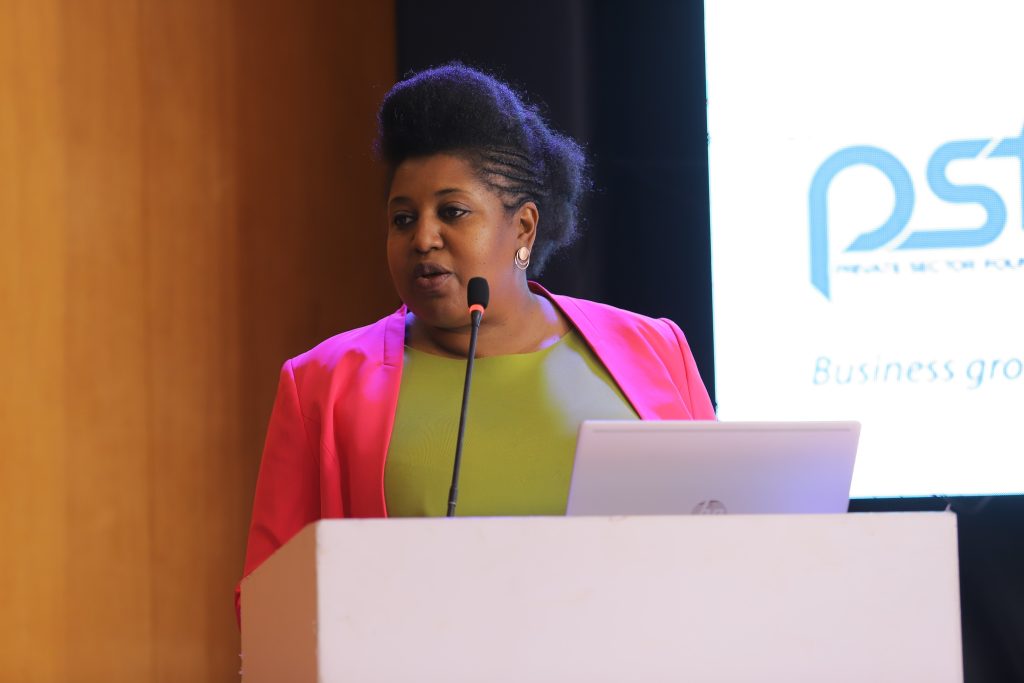
This latest study was commissioned by the Private Sector Foundation Uganda (PSFU), in partnership with the Mastercard Foundation.  During the report launch held at the Kampala Serena Hotel, Ms. Sarah Kagingo, the Vice Chairperson at PSFU, said that the study was conducted in refugee settlement areas including Bidibidi, Nakivale, and Kampala suburbs such as Nsambya, Makindye, and Kisenyi.

“We commissioned this study to assess available opportunities for youth investment, business and employment in our refugee and host communities. The refugee communities present a significant market for goods and services, offering immense potential for the development of sectors like agriculture and its value chain, formalized access to finance, and engagement of private sector companies in the provision of renewable energy products,” Kagingo said.

On his part, Mwalimu Musheshe, the founder of the Uganda Rural Development and Training Institute said they have so far equipped over 350,000 refuges with life transformation skills in the settlements.

“We have about 54,000 artisans in 20 districts and we have about 20 per cent in the four settlements. We also consider the gender acquisition, the people with disability, the female and male,” he said.

“What I thought was not emphasized is that the young people as we train them, there is a disconnect between what they learn to do. They don’t see the context within the private sector.”

A $485 Million Refugee Market.

According to a study by the International Finance Corporation (IFC), areas hosting refugees in the West Nile and Southwest regions spend over $485 million (approximately UGX 1.7 trillion) annually on consumer goods.

The $485 million refugee market size was calculated as the total household consumption expenditure in eight refugee hosting districts in these regions. Most refugees receive cash transfers from donor agencies, and an average household spends about $21 (equivalent to UGX 75,600) per month on items like cooking oil and rice, among others.

Stephen Asiimwe, the Executive Director of PSFU encouraged private sector players to seize the investment opportunities in these communities.

“Between 1.5 million and 1.7 million people provide a substantial constituency that can engage in various businesses. PSFU was approached, and we promptly created a conducive environment. A $485 million market is good business, and this annual consumption surpasses the entire budgets of some ministries and agencies,” Asiimwe said.

“I urge business communities to explore the possibilities of supplying goods to this environment. PSFU has set up a dedicated desk for the business community to inquire about the available opportunities in these settlements.”

Nominations for the 2023 HiPipo Music Awards are underway

0

The prestigious HiPipo Music Awards enters its illustrious twelfth year, and we are thrilled to announce that nominations for 2023 are now open. Preparations for this year’s awe-inspiring finale are in full swing, scheduled for Friday, 17th November, at the opulent Kampala Serena Hotel.

The HiPipo Music Awards stand as a beacon in Africa, renowned for being the continent’s most steadfast platform that excels in unveiling and celebrating exceptional talents. Over the years, it has not only honoured but also empowered countless artists, reaffirming its commitment to musical excellence.

This year, we are introducing up to fifteen diverse categories for public nominations. These encompass a wide spectrum of musical talents, ranging from the local Ugandan scene to the broader East African region, and spanning the entire African continent.

Innocent Kawooya, the CEO of HiPipo, expressed his enthusiasm, saying, “The commencement of the 2023 HiPipo Music Awards nominations is a clarion call to all aficionados of African music. We invite everyone to nominate their favourite tracks and artists. Eligible music includes any audio or video releases between October 5th, 2022, and October 5th, 2023.”

He further added, “We’ve had the privilege of hosting some of the finest performances in our past editions, and this year, we aim even higher. A comprehensive list of confirmed performances will be revealed soon. But for now, let’s focus our passion and energy on the nominations—because the journey to victory starts here.”

The nomination phase will conclude on October 6th. Subsequently, our nominees will be announced to the public, paving the way for a month-long voting bonanza, culminating in the grand reveal of the winners on November 17th.

As we kick-start the 2023 #HiPipoMusicAwards nominations, we are in ‘full throttle mode’. Together with the global music community, we eagerly anticipate a season of unparalleled musical masterpieces from our continent’s top vocalists.

Visit www.hma.HiPipo.com and be a part of this musical odyssey by submitting your nomination today!

Categories Open for Public Nominations:

Africa

Africa Best ACT

Africa Best Video

Africa Number One

East Africa

East Africa Super Hit

East Africa Super Video

Uganda

Best Regional Song

Breakthrough Artist

Most Viral Song 

Song of the Year

Video of the Year

Best Male Artist

Best Female Artist

Artist of the Year

PSFU Chairman calls for harmonization of Uganda – South Africa Standards Bureaus

0

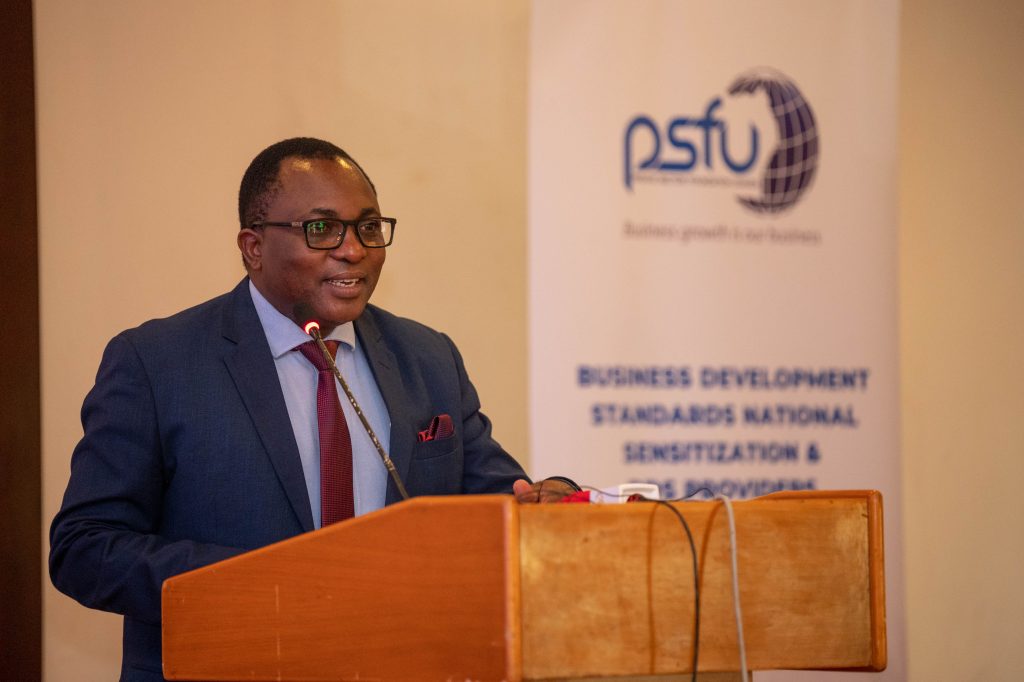
The Private Sector Foundation Uganda (PSFU) Chairman Board of Directors, Humphrey Nzeyi has called for the harmonization of Uganda and South Africa Standards Bureaus as a means of facilitating seamless and profitable trade between the two countries.

Nzeyi made these remarks at the ongoing Uganda South Africa Business and Trade Summit currently underway at Speke Resort, Munyonyo.

He called for beneficial collaborations, partnerships and joint ventures that will enable both countries to unlock endless business opportunities.

Here is his full speech:

I would like to extend a cordial welcome to each of you to the beautiful nation of Uganda, which is often celebrated as the “Pearl of Africa.” We convene here for the South Africa-Uganda Business Summit, where we aspire to cultivate and strengthen the prosperous business bonds we initiated during our visit to South Africa in March 2023. Today, we stand on the threshold of forging new frontiers in business and investment cooperation between the vibrant communities of Uganda and South Africa.

In February of this year, we were graciously hosted in South Africa for the Uganda South Africa Business Summit, which was a resounding success. As our two Presidents mentioned at that time, Uganda and South Africa have a long history of collaboration, firstly on the political front with our Pan-African outlook and our collaborative fight for the freedom of all our peoples from colonial and apartheid regimes. And now secondly to the economic partnerships that we have forged between our two nations. Uganda already boasts a large number of South African companies ranging from MTN, who are our sponsor here today to ABSA, ESKOM and many many more. I am happy to report that we have over 70 South African companies in Uganda, who collectively have invested over USD $2.4 billion in this economy. They also report that they are happy with their investments and are also reaping large rewards in the form of dividends from their work here.

 The purpose of our meeting again here in Uganda is to further strengthen those ties and to bring greater synergy between our two great nations. The recent pandemic and the current state of world affairs has shone a light on the need for African nations to increase trade and reliance on one another rather than on other continents and our traditional trading partners. We must take advantage of the Africa Free Trade Area Agreements, to open up a common market for each other’s goods and services.

Expressing Gratitude:

 On behalf of Uganda’s thriving Private Sector and personally, I extend my profound gratitude to our cherished partners. We acknowledge the unwavering dedication of both the governments of Uganda and South Africa, along with the invaluable support rendered by Uganda’s High Commission in Pretoria and the South African High Commission in Uganda. We also extend our heartfelt thanks to MTN Uganda and our other esteemed partners, whose relentless commitment has paved the way for the resounding success of these summits.

 Introducing PSFU:

 Allow me to offer some insights into the Private Sector Foundation Uganda (PSFU). PSFU stands as the apex body representing Uganda’s private sector landscape, comprising a dynamic consortium of 320 Business Associations, which in turn represent over 3 million business enterprises, Corporate entities, and significant Public Sector Agencies devoted to nurturing private sector growth. Our membership spans across the 12 pivotal sectors of Uganda’s economy, including Manufacturing, Agriculture and agribusiness, Oil, Gas, Minerals, Extractives, Energy, Trade and commerce, Logistics, Transport, Financial Services, Insurance, Professional Services, Tourism, Hospitality, ICT, Construction& Real Estate, Human Resources & Skills, Culture, and the Creative Arts.

PSFU’s Journey:

Since its inception in 1995, PSFU has played an instrumental role in advocating for the private sector’s interests while fostering capacity building. We serve as a vital conduit for constructive dialogue with the government, acting as its implementation partner for initiatives aimed at propelling the private sector into a dynamic role as the engine of economic growth in Uganda.

PSFU’s Core Mission:

PSFU’s overarching mission revolves around enhancing private investments and productivity, driven by the creation of an enabling business environment characterized by effective governance, efficient markets, and robust human development. We commend the Government of Uganda for its unwavering commitment to nurturing such an environment, attracting both local and Foreign Direct Investments that have thrived within this stable business climate.

Evolving Role of PSFU:

PSFU has evolved beyond its traditional roles, now standing as a multifaceted private sector think tank and innovation hub. This transformation is closely aligned with the aspirations of the Government of Uganda and the UNDP. PSFU’s ethos is firmly rooted in ten sectors that are pivotal in propelling Uganda’s economic growth.

Key Mandates: Key areas of focus

  1. Engaging in research and evidence-based advocacy on behalf of the private sector to enhance the business environment in Uganda.
  2. Spearheading capacity-building and business development initiatives to fortify the private sector.
  3. Creating jobs especially for the women and youth of this nation through our projects and initiatives.
  4. Capacity building of our membership organizations.

The Significance of the South Africa – Uganda Business Summit:

This momentous business forum seeks to fortify and consolidate the enduring economic ties that bind Uganda and South Africa. Our primary goal is to strengthen existing alliances, foster fresh collaborations, and forge joint ventures that will enrich trade and investment landscapes in both Uganda and South Africa. At the heart of this summit lies the imperative task of addressing obstacles impeding the free flow of people and goods—an issue that has direct repercussions on trade and investment. During our visit to South Africa, we articulated our desire as the private sector to see our governments resolve visa barriers. We received assurances, and we are optimistic that this summit will provide the impetus to propel these critical initiatives forward.

Happy to report: Collaborations

Already, I am happy to report that our entrepreneurs are having discussions on areas ranging from Agriculture to trade to Tourism and ICT among others and it is our hope that this summit shall transform these interactions into solid contracts.

Uganda-South Africa Trade Relations and Investment Prospects:

  • The total value of Uganda’s exports to South Africa currently stands at US$20.7 million, while South Africa’s exports to Uganda are valued at US$187 million. We firmly believe that there exists untapped potential to triple these trade values through strategic partnerships and joint ventures.
  • Uganda’s key imports from South Africa encompass electronic and electrical equipment, motor vehicles, and machinery, collectively valued at US$46.4 million.
  • In contrast, Uganda’s principal exports to South Africa encompass Packaged Medicaments ($13.1 million), Coffee ($2.88 million), and Raw Tobacco ($1.28 million). With Uganda’s robust coffee production, there is substantial scope for investment in coffee value addition and an increase in coffee imports from Uganda tenfold. There is no reason that South Africa should import the majority of its coffee from the same European markets where Uganda exports to and rather we should focus on a direct relation between our nations.
  • Uganda’s potential for Foreign Direct Investment (FDI) is nothing short of significant. In 2022, FDI witnessed a remarkable surge, reaching $474.8 million, predominantly channelled towards the coffee and mining sectors, rebounding from a temporary downturn induced by the pandemic. With opportunities in the mineral sector reaching an astonishing US$620.5 billion, private-sector investments hold the key to harnessing this opportunity and cultivating Africa’s manufacturing prowess.
  • Uganda boasts 6.9 million hectares of arable land, offering vast opportunities for investment in food production and value-addition technologies.
  • Uganda serves as a substantial exporter of fresh fruits and vegetables, dispatching over 5.8 million tonnes annum. Investment in horticultural products and the opening up of the South African market hold the potential to significantly amplify these exports.
  • Uganda’s fish export potential is staggering, surpassing US$150 million per annum. Investment in high-quality fish farming on Lake Victoria can unlock this substantial opportunity.
  • The nation stands as one of the leading milk producers in the East African Community, boasting an annual production exceeding 2.8 billion litres. There are immense opportunities in the milk value chain, including the processing of yoghurts, powdered milk, ghee, and cheese.

How do we Harmonizing Standards: Bottlenecks

To facilitate effective trade and ensure the free movement of people and goods, it is imperative that our Standards Bureaus harmonize standards. This discussion began earlier this year, on the sidelines of the South Africa-Uganda Business Summit, and we are optimistic that further strides in this direction will be taken during this summit.

In Closing:

Ladies and gentlemen, the potential of Africa, particularly Uganda and South Africa, is boundless. However, our pursuit should not be one of competition but rather one of collaboration, partnerships, and joint ventures that will enable us to unlock these opportunities for our rapidly growing youthful population and to strengthen our economies. Uganda, and its people in particular, are open for business. In 2021 Ugandans were voted as the happiest people in the East African Community, ranking 83rd globally (World Happiness Report 2021). Your journey here will not only be financially rewarding but will also immerse you in the warmth and hospitality that defines our beautiful nation.

I welcome you all to the Pearl of Africa

Thank you

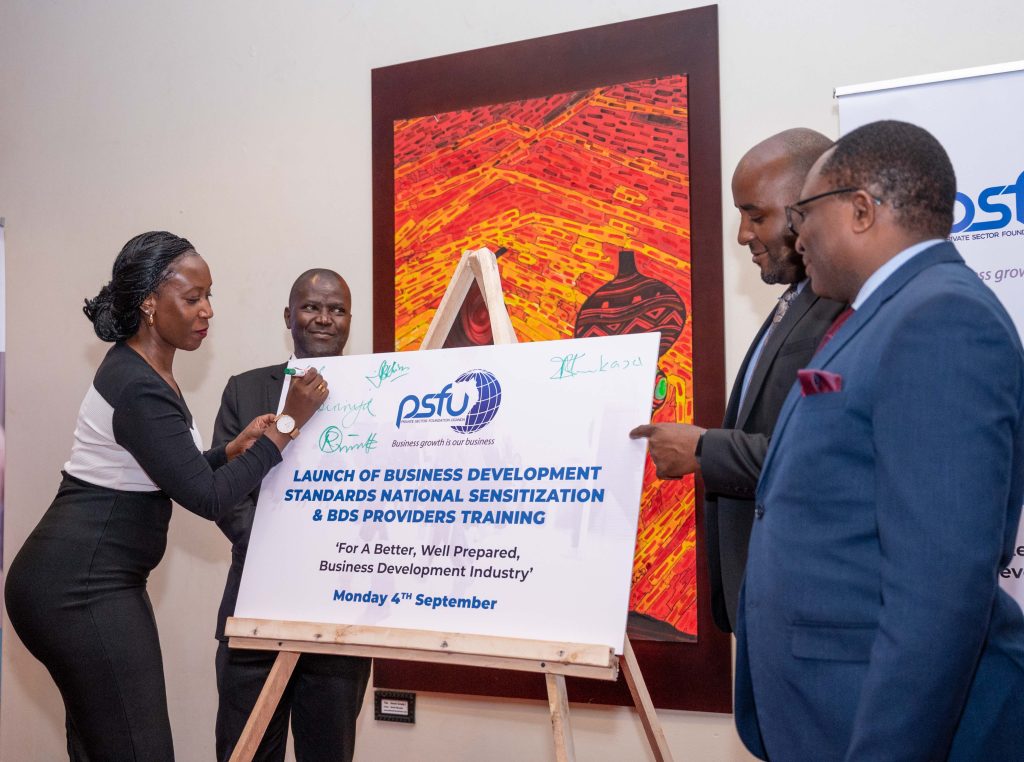
PSFU Launches National Sensitization Of Business Development Standards and BDS Providers Training

The Private Sector Foundation Uganda (PSFU), in partnership with Mastercard Foundation, is implementing the “Enhancing Lead Firm Structure (LFS) for Youth Employment” project. One of the transformative interventions in this project is addressing the challenges of poor quality of Business Development Services (BDS) and the high price demanded for those services by promoting the development of new quality standards for BDS, their adoption by providers as well as training the providers to address the supply challenges, particularly for specialised areas.

To support the development of new quality standards, the African Management Institute (AMI) has been engaged to provide practical and accessible learning and development solutions to African businesses and professionals working with the technical working group, which is composed of key industry experts, Key Government officials and representatives from the entrepreneurship support organisations. 

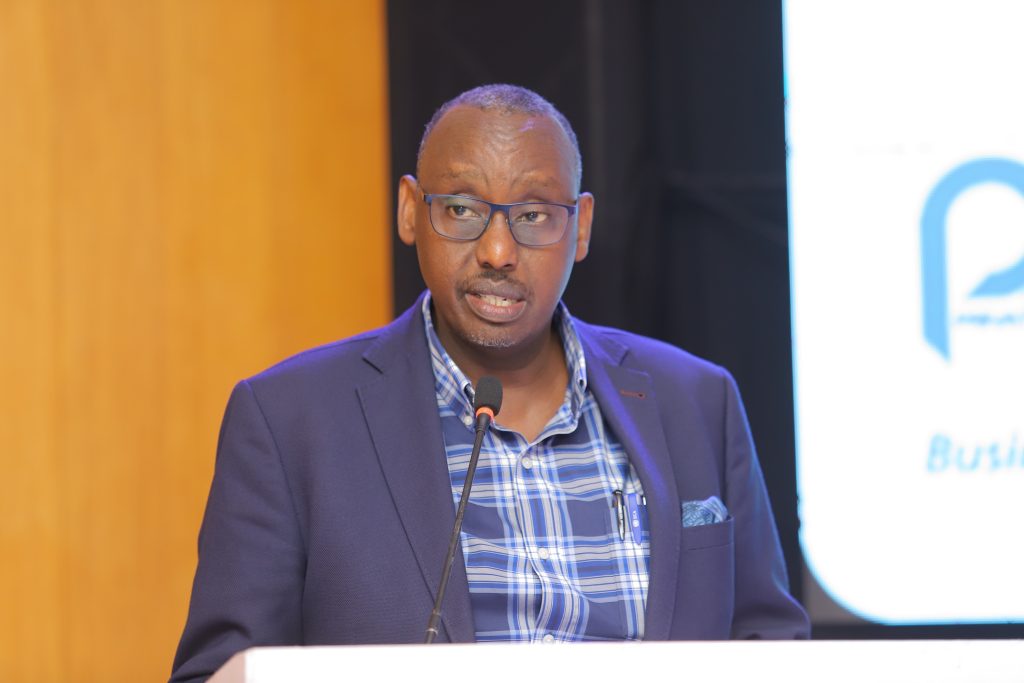
In his remarks, Francis Kisirinya, the Chief Membership Officer at PSFU said, ‘’Every stakeholder has a distinct role that is essential to achieve our common objective which is enterprise development. Our core mandate is to ensure continuous transformation of the economy through the promotion and development of sustainable and successful enterprises that are able to lead to economic growth and wealth creation.’’

He added, “The BDS system is characterized by various constraints that limit its potential to generate business growth. PSFU through the infrastructure project in partnership with the Mastercard Foundation decided to contribute to the process of streamlining BDS services’’.

Johnson Abitekaniza, the Assistant Commissioner MSME, Ministry of Trade Industries and Cooperatives said, ‘’We are here today to encourage business support service providers who are out there to start registering for the training that will come after the registration. The sensitization will help us educate and make sure that the public is very much aware of these standards and what they mean to be able to participate. We believe that through this, the service providers will be motivated to join and be trained so that they are better BDS service providers than they are now.

He added, “For enforcement, when the Uganda National Bureau of Standards gazettes the standards, we are to leverage, we will work out an enforcement mechanism that will be used, although, for the start, they will be used as benchmarks that will be utilised by the BDS service providers in the ecosystem, as we will work closely with UNBS to achieve this as we target the majority of businesses in the private sector’’.

The two standards have been developed and submitted to the Uganda National Bureau of Standards (UNBS) for approval and gazette.

In efforts to implement the developed standards, the PSFU has launched a program that details the various training and engagements with the various BDS service providers and users in the country.

The campaign will also equip organisations, entrepreneurs, and business professionals with information on Uganda’s newly formulated business development support standards, tools, mentorship and resources needed to drive sustainable business growth.  

In addition, through a combination of mentorship, workshops, and strategic resources, participants will have the opportunity to:

1. Gain insights on business development standards.

2. Acquire practical strategies to navigate business challenges and seize opportunities.

3. Establish meaningful connections within the business community.

4. Access a suite of resources, including training and practical online tools.

Interested participants can log in to https://www.psfuganda.org/psfuopportunities/bds-program.html learn more about the business development standards, and register for the training. Limited spots are available, so early registration is encouraged.

About PSFU: The Private Sector Foundation Uganda (PSFU) is a non-profit organisation that serves as a representative body for the private sector in Uganda. Established in 1995, PSFU’s primary aim is to promote and advocate for the interests of the private sector, foster a conducive business environment, and contribute to economic growth and development in the country. 

About The Mastercard Foundation: The Mastercard Foundation is one of the largest private foundations in the world with a mission to advance learning and promote financial inclusion to create an inclusive and equitable world. The Foundation works with visionary organisations to enable young people in Africa and in Indigenous communities in Canada to access dignified and fulfilling work. About AMI: The African Management Institute (AMI) is a social enterprise that provides practical and accessible learning and development solutions to African businesses and professionals. AMI aims to equip individuals with the skills, knowledge, and tools they need to succeed in the workplace and contribute to economic growth and development across Africa.

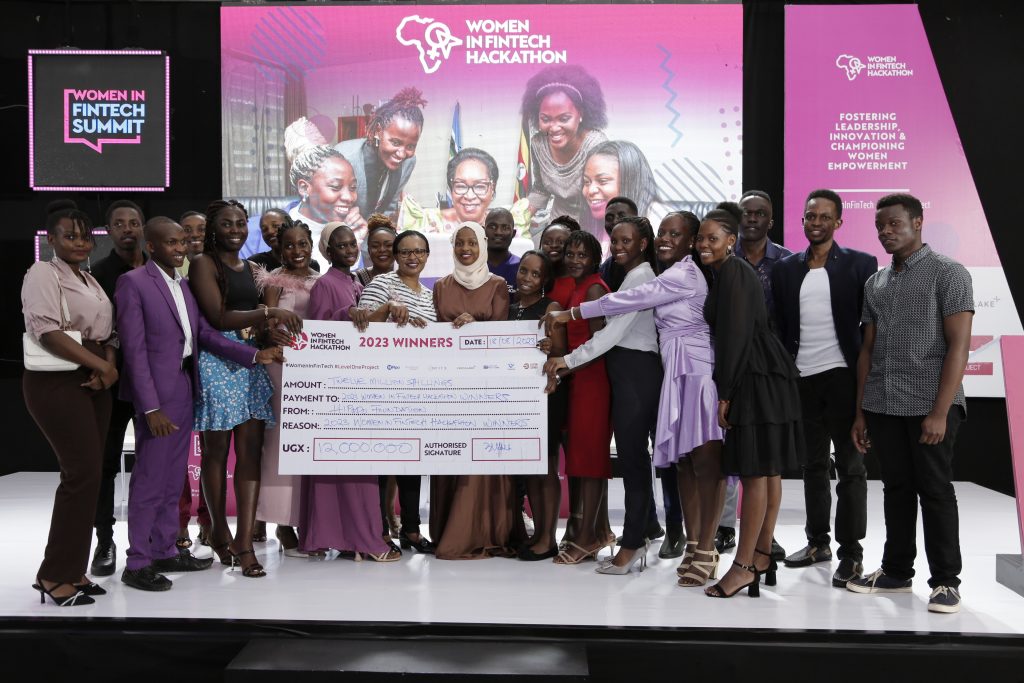
Mbarara University students win the 2023 Women in FinTech Hackathon

A team of three engineering students from Mbarara University of Science and Technology (MUST) has won the 2023 Women in FinTech Hackathon.

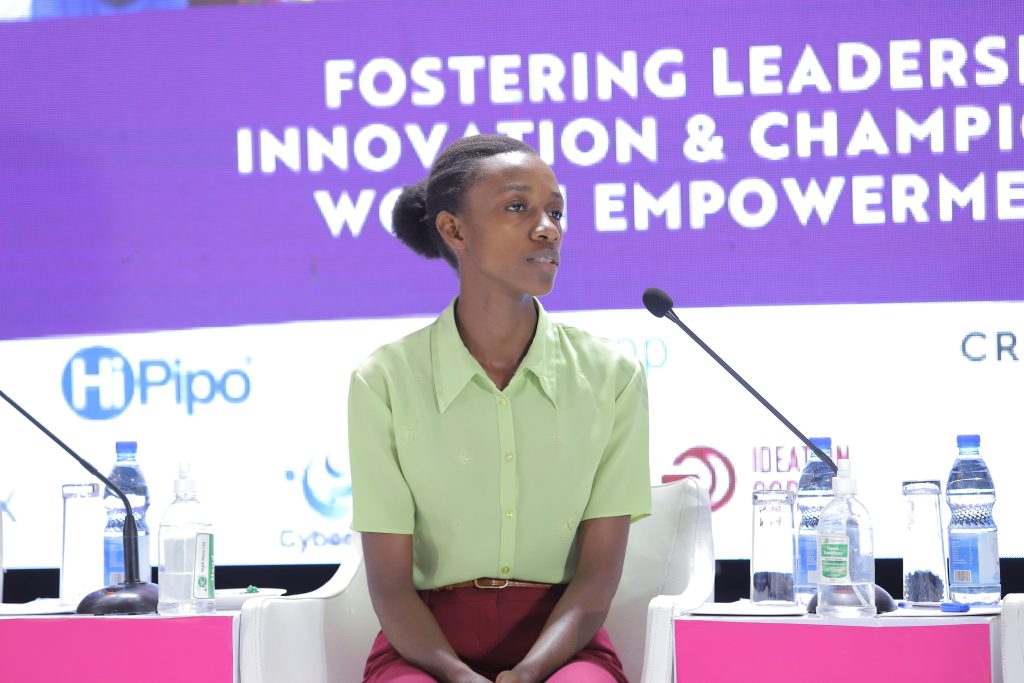
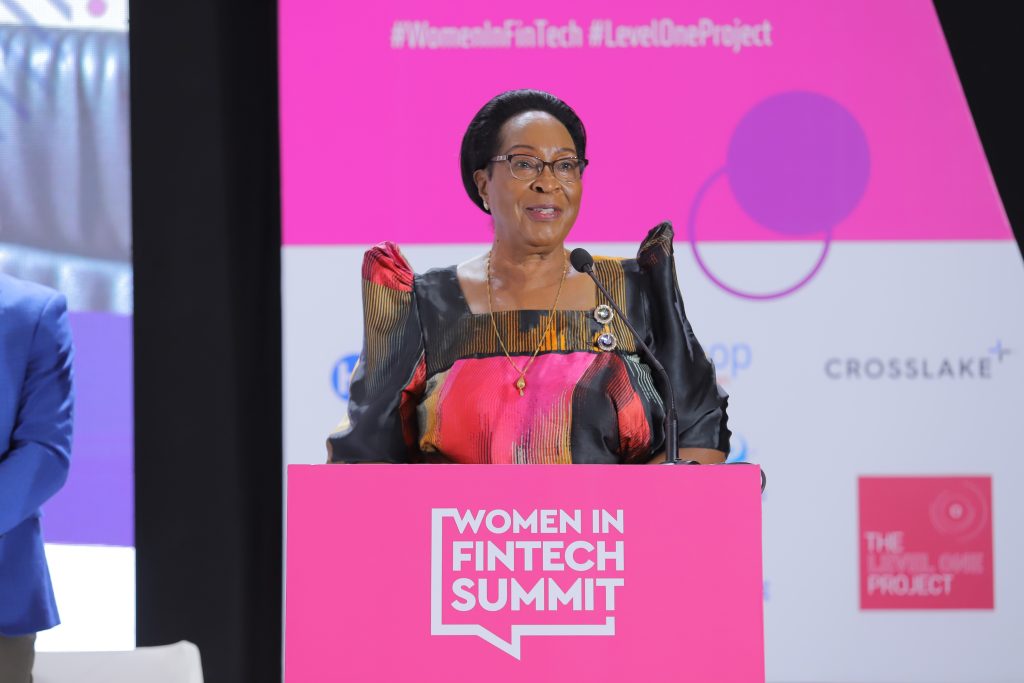
The winners were announced at the 2023 Women in FinTech Summit presided over by Hon Joyce Nabbosa Ssebugwawo, the Minister of State for ICT at Mestil Hotel, Kampala. The summit was the climax event for the 2023 Women in FinTech Hackathon which run from 10th to 17th August.

Named E-Parking, the winning team is made of three engineering students namely; Christine Amutuhaire, and Charity Ainembabazi; both doing Biomedical Engineering and Elian Mwesiga who is pursuing Software Engineering

Though in its early stages, their winning product; E-Parking is a financial technology-powered solution that will on launch ‘introduce a mobile app to revolutionize the parking experience in Ugandan cities’.

To win, these young innovators presented a functional minimum viable product (MVP) that clearly demonstrated how their digital platform would simplify parking processes and enhance resource management.

The E-Parking MVP has features such as QR Code-Initiated Parking, Real-Time Payments enabled by Mojaloop software, App Tokens for Payments and Session Alerts.

They beat stiff competition from more than twenty-five other teams, including BorePay and Business Banking Hub; which came second and third respectively.

“We are super excited. We definitely believed in our product but didn’t see this win coming. The Hackathon has been mind-blowing. This win has vindicated our solution. We intend to continue pursuing it and eventually launch it. We thank all the participants for their health and positive competition. In a special way, we thank HiPipo and its partners for organizing a proper Women in FinTech event,” an overjoyed Christine Amutuhaire, the E-Parking Team leader noted following their victory.

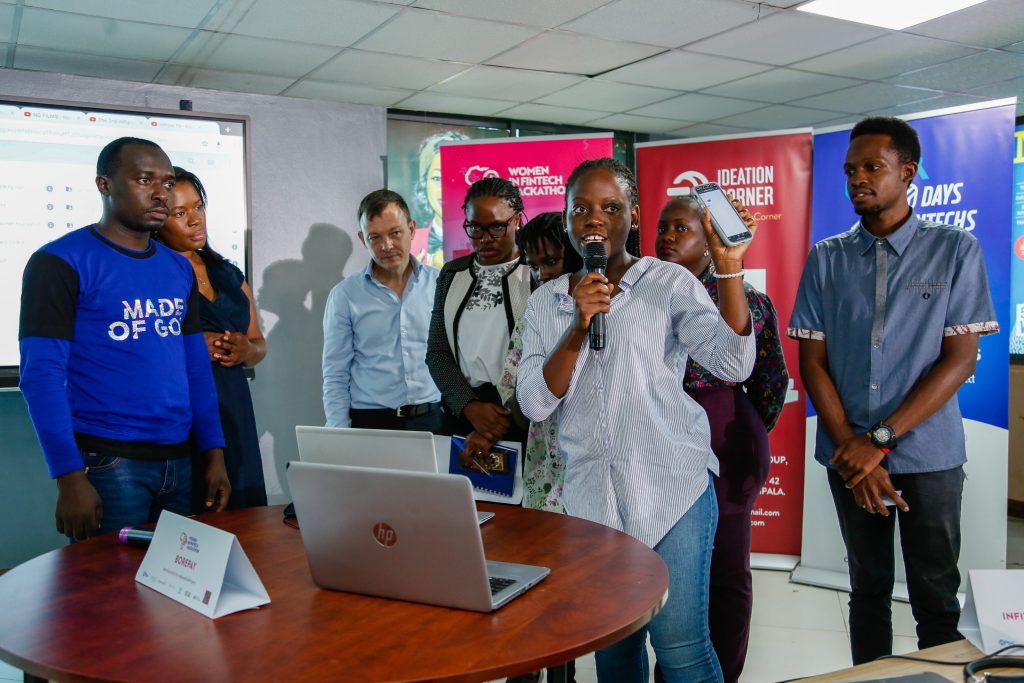
BorePay the team that came second is developing a USSD-based payment platform that will guarantee safe water for rural communities through continuous collection of boreholes’ repair and maintenance fees from the residents in addition to other forms of fundraising while Business Banking Hub offers an inclusive bulk payment solution for the unbanked informal sector.

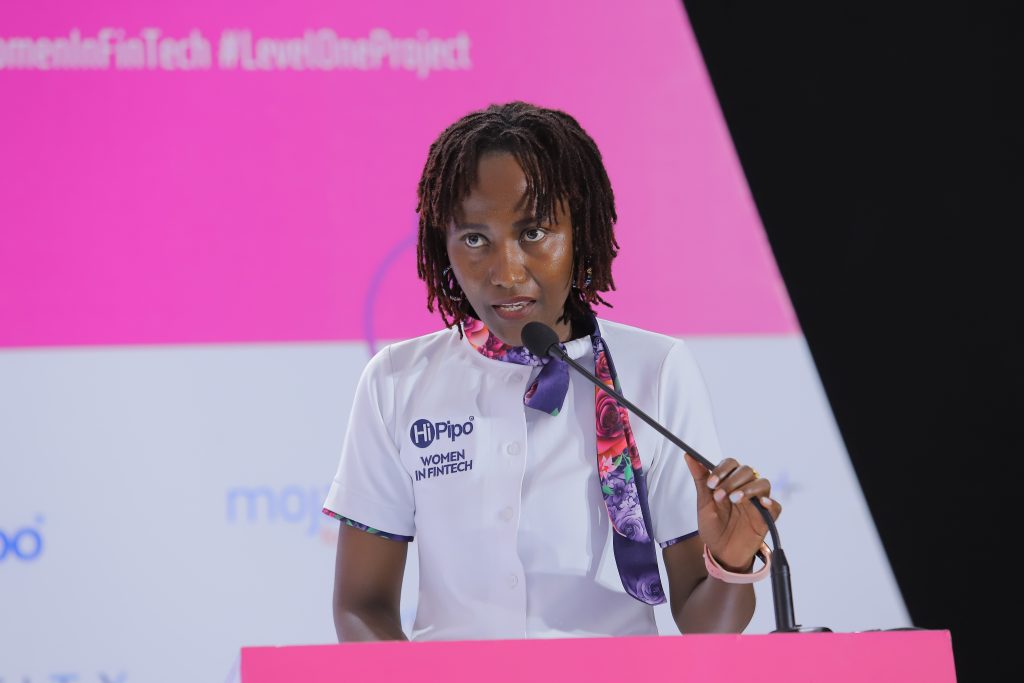
In her remark, Hon Joyce Nabbosa Ssebugwawo applauded HiPipo for using Technology to champion women empowerment, noting that the government will continue to support initiatives intended to empower Women and the Youth.

“Even as Uganda boasts a female population of 50.71% in 2020, women are extremely represented among the unbanked. They face many challenges, notably in accessing digital technology, acquiring skills, and availing financial products,” Hon Joyce Nabbosa Ssebugwawo said.

She explained: “HiPipo’s Women in FinTech training steps in to bridge this gap. We are proud of HiPipo and its partners for their commitment to levelling the field. Their dedication pushes Africa closer to tapping into its full digital dividend, ensuring all benefit from digital financial services. The collaboration between HiPipo and the Ministry of ICT is pivotal. It is not just about offering services; it is about understanding the deep-rooted social norms that obstruct women’s financial rise. This insight, complemented by research from the Level One Project, offers a deeper perspective on these challenges.”

Top Seven Teams.

The top seven teams were E-Parking – 4m, BorePay – 2m, Business Banking Hub – 1.5m, FinHub – 1m, HPaysa – 1m, Tax on Point – 1m and Simbula Tugende – 1m.

“We received over 100 submissions from which we shortlisted 30 teams from Kampala, Mbarara, Kabale, Kisoro Gulu and Nairobi. On day one of the hackathon, two teams did not turn up. We then remained with 28 teams that actively participated until the final presentations’ day when one team dropped out owing to an emergency that required their attention and physical presence,” Charlotte Neeza, the HiPipo FinTech Event Manager said, adding;

“The remaining twenty-seven teams met the judges on Thursday and demonstrated their solutions. All these twenty-seven teams are FinTech Champions. Because all the twenty-seven teams are winners, they are sharing the USD 10,000 collective prize.”

Running for the 4th consecutive year, this Hackathon is part of HiPipo’s broader Women in Fintech initiative that also includes a Summit and Incubator program.

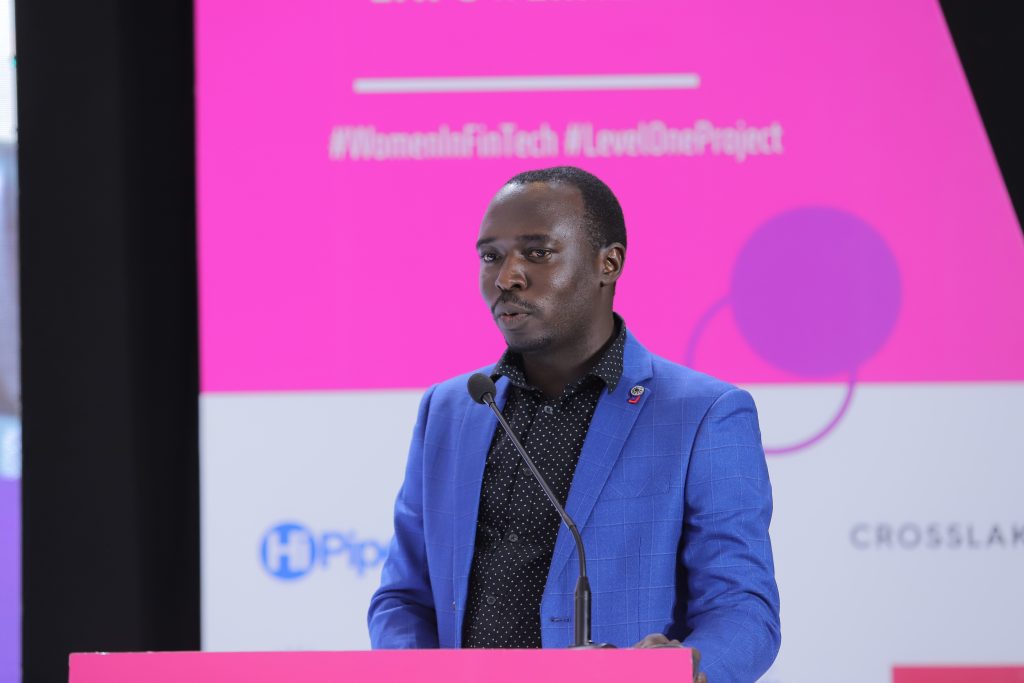
“The cardinal purpose of these inter-twined initiatives is to champion women’s financial inclusion through active participation in the initiation, development, and rolling out of financial technology products that are well-tailored to serve women and everyone,” Innocent Kawooya, the HiPipo CEO said, adding;

“We are exceptionally supporting efforts towards closing the Gender Gap in Access to Technology, Skills, and Usage of Digital Financial Services. Several of our Women in FinTech Alumni are currently running sustainable Tech companies. We implore the 2023 winners and all participants to continue with their innovations, complete them and launch them.”

Between 2020 and 2022, the Women in FinTech Hackathon, Summit, and Incubator project attracted over 4,000 participants and directly trained more than 300 women. Through dedicated mentorship, many of these Women have since graduated as Software Engineers and Computer Science specialists. Some have ideated, developed, and launched Financial Technology products that are transforming their communities while others have received seed capital from both the project and external contributors to further pursue their dreams.

The Women in FinTech initiative is implemented by HiPipo in partnership with Level One Project, Mojaloop Foundation, INFITX, Cyberplc Academy, Crosslake Technologies and Ideation Corner and supported by the Bill and Melinda Gates Foundation.

The 2023 Women in FinTech Hackathon concludes on a high, with winners to be announced on Friday

After a long week of solutions’ ideation and development, the 2023 Women in FinTech Hackathon teams have today pitched their final minimum viable products – MVPs to the Hackathon Jury.

The over 30 teams were each given up to 10 minutes to demonstrate how their developed solutions work. The young and nascent innovators used this time to wow the Hackathon Jury of six judges.

Of the six judges, three attentively followed the presentations physically whilst others followed the proceedings remotely. For each developed solution, the judges were looking out for innovativeness, business value, feasibility, potential impact, and integration with Mojaloop Open Source Software.

The judges also paid a keen interest to adherence to Level One Project Principles such as Same Day Settlement, Realtime Payments, Tiered KYC, and Transaction Irrevocability.

“The fourth edition of Women in Fintech Hackathon has embodied the transformative power of women in technology. Through a systematic approach, the Hackathon has tackled real-world Fintech product development; from problem statement and business case formulation to solution design, prototyping, and MVP dry run. This structured process fostered collaboration, innovation, and skill growth, all while emphasizing inclusivity,” Cleopatra Kanyunyuzi, the Hackathon Lead Facilitator and CEO of Club Tangaza, adding:

“The hackathon’s success has showcased how diverse teams of women can break barriers and lead change in the Fintech sector. This event also highlighted the boundary-less nature of innovation. Such initiatives hold the key to a more inclusive, innovative future for Fintech.”

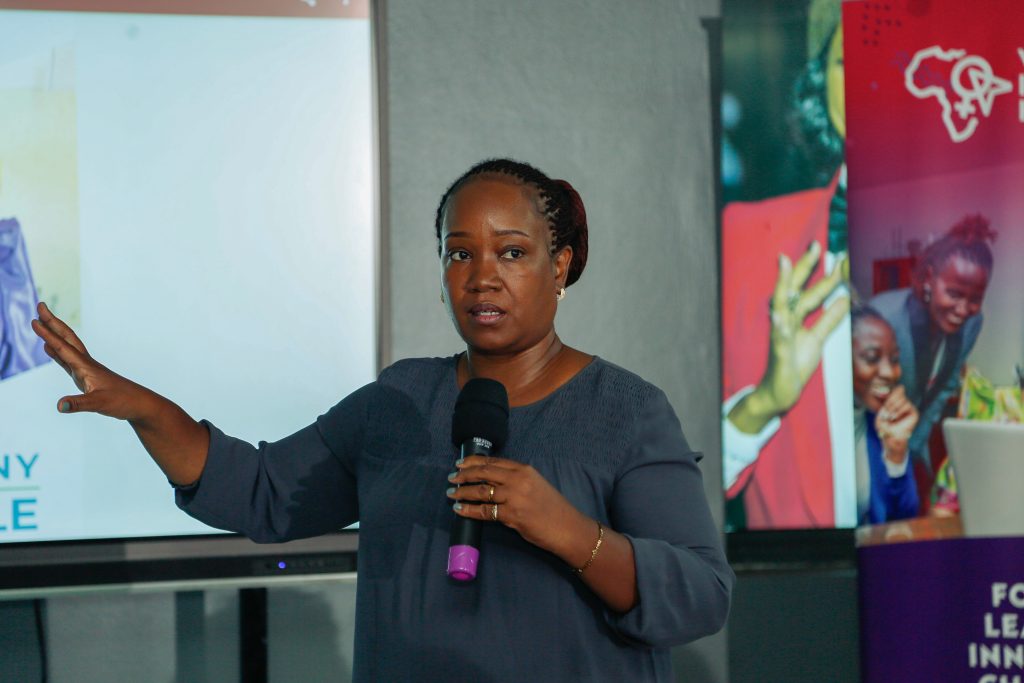
But even after the final pitches, there was still some more time for learning. Stella Lugalambi, the Co-Founder and Managing Director of Hamwe East Africa tipped the participants on Overcoming Challenges and Building Resilience.

Mrs Lugalambi urged the young innovators to consider formalizing their FinTech solutions through registration and in the long run, getting regulator licenses.

“Right now, Financial Technology is regulated by the Bank of Uganda. As an innovator, find out where your product falls and understand what is required to register it. Even if you don’t get a license immediately, at least you will know what is required when that time comes.”

She urged the participants to remain, firm, resilient and focused on achieving their dreams.

“There are indeed problems to do with funding and digitization. Most of your target audience doesn’t even have smartphones and computers, but this should not discourage you. For whatever you are doing, do your best to find ways of funding your businesses without seeking commercial loans fast as they put a lot of pressure on start-ups.”

Overall Winners to be known at Women in FinTech Summit.

With the Hackathon curtains coming down; there was a visible sense of anticipation; with several teams very optimistic and in high spirits while others were evidently anxious.

Even though all participants are financial inclusion champions, the overall winners of this year’s Women in FinTech Hackathon will be announced and receive their share of the USD 10,000 collective prize money at the 2023 Women in FinTech summit on Friday, 18th August at Mestil Hotel, Kampala.

This will be in addition to the winners automatically qualifying for the Women in FinTech Incubator program that will run from September until December 2023.

 The past week has been exciting and action-packed. We have seen teams develop their nascent ideas into minimum-viable products. The majority of the teams have indeed put in so much effort and we really appreciate this. To us, all the teams are victors. They have submitted their final MVPs and we shall tomorrow get to know the overall winners.

The Women in FinTech Hackathon, Summit and Incubator Program is implemented by HiPipo in partnership with Level One Project, Cyberplc Academy, Crosslake Technologies, INFITX, Ideation Corner and Mojaloop Foundation and supported by the Bill and Melinda Gates Foundation.

2023 Women in FinTech Hackathon Day 6: Teams coached on presentation and pitching

For the past one week, the over 100 Innovators taking part in the 2023 Women in FinTech Hackathon have been focusing their energies and resources on developing time and lifesaving financial inclusion solutions.

With just one day to the end of this year’s Women in FinTech Hackathon, the participants are putting their best feet forward and tying up all loose ends as they ready themselves for their final submissions on Thursday 17th August.

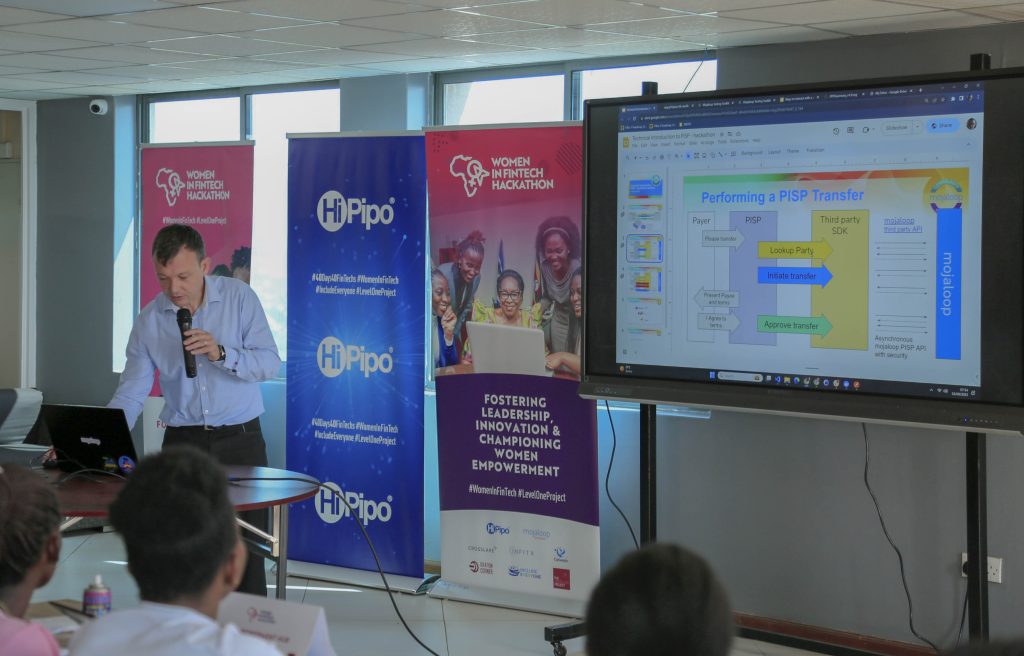
On Day Six, the teams dug deep into the workings of application programming interfaces (APIs).

According to IBM, an application programming interface or API is a set of defined rules that enable different applications to communicate with each other.

An API ‘acts as an intermediary layer that processes data transfers between systems, letting companies open their application data and functionality to external third-party developers, business partners, and internal departments within their companies.’

Paul Baker, the Principle Product Manager at INFITX took the teams through the workings of the Mojaloop APIs, showing them the different ways, they can integrate the Mojaloop family of APIs in their solutions.

“If your desire for Mojaloop knowledge is more technical, then try running a cut-down version of Mojaloop Locally where the API can be called and the logs of the micro-services interrogated. The Mojaloop Community supports various ways of running Mojaloop locally.”

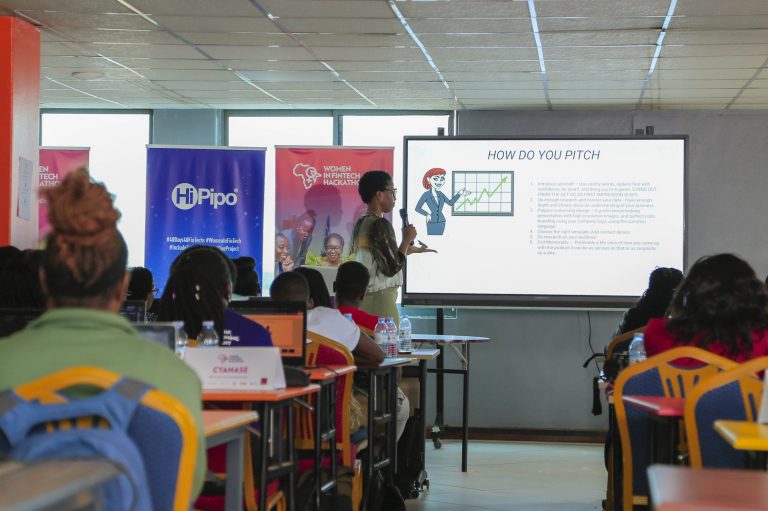
In preparation for making their final submissions, the teams also had an in-depth pitching and presentation coaching session led by Flavia Eleanor Kasenge, the chief operating officer at EzeeMoney.

In her presentation, Kasenge defined pitching as how you describe the best version of yourself or your business; what you do, how long you have been doing it, and why you are the best at that particular business.

She noted that there are different kinds of pitching such as Elevator Pitch, Investors Pitch and Sales Pitch.

“When at a pitch, introduce yourself using catchy words, replace fear with confidence, be smart, and bring your A game. Stand out from the get-go because first impression is key. Do enough research and master your data –Have enough depth and clearly show an understanding of your business,” Kasenge said, adding;

“Importantly, end memorably; preferably with a life story of how you came up with the product. That conclusion can be as serious as that or as simplistic as a joke.”

Running for the 4th consecutive year, the Women in FinTech Hackathon is part of the broader Women in FinTech initiative that also includes a Summit and Incubator program; all implemented by HiPipo in partnership with Level One Project, Cyberplc Academy, Crosslake Technologies, INFITX, Ideation Corner and Mojaloop Foundation and supported by the Bill and Melinda Gates Foundation.

The 2023 Women in FinTech Hackathon will culminate into the Women in FinTech summit on 18th August 2023 where the best-performing teams and individuals will be announced and receive their share of the USD 10,000 collective prize money. This will be in addition to the winners automatically qualifying for the Women in FinTech Incubator program that will run from September until December 2023.

Participants start working on minimum viable products on Day 5 of the 2023 Women in FinTech Hackathon

Driven by passion and an unsatisfied appetite for success, the over 100 Innovators participating in the 2023 Women in FinTech Hackathon have their priorities well set out.

It is this desire to succeed that is keeping most of the participants awake throughout the night; some turning the Hackathon venue into their temporary home, taking short naps on wooden desks and the floor before waking up to resume their financial technology solutions’ design and development.

With the 2023 Women in FinTech Hackathon entering the final and most decisive days, the Teams were introduced to minimum viable products (MVP) on Day 5.

A product Plan defines a minimum viable product, or MVP, as a product with enough features to attract early-adaption customers and validate a product idea early in the product development cycle.

According to Dorothy Kabarozi, a Full Stack Software Engineer and Facilitator of the Women in FinTech Hackathon, the creation of minimum viable products (MVPs) raises the developers’ confidence and opens multi opportunities for partnerships and possible funding ‘because creating an MVP, even if it’s a simplified version, can instil a sense of achievement and sureness.’

“In a Hackathon like this, MVPs encourage participants to think creatively and find innovative ways to address challenges. This empowerment comes from the realization that they have the capability to design solutions that can make a difference in financial inclusion, benefiting themselves and others, “Dorothy Kabarozi said.

She added: “MVPs inspire developers like the young women and men we have here to pursue further opportunities in the tech field and beyond, knowing they have the ability to contribute meaningfully. Lastly, MVPs allow participants to demonstrate the tangible impact of their ideas. This can lead to partnerships, funding opportunities, or further development to scale the solution, which in turn can have a lasting impact on financial inclusion and empowerment.”

Mentorship Sessions.  

Osbert Osamai, the Head ICT Advisory, Research & Strategy at Centenary Technology Services, was the morning mentor and presented on key skills for effective Digital Transformation, urging the teams to interest themselves in learning more support skills as these would complement their competencies in products and solutions development.

“Away from developing great solutions, you need project & product management, communication, decision-making and digital marketing skills. You need emotional intelligence to know what to say when, how and why. You must continue to learn as this will aid your growth. Importantly, continue to seek collaborations and possible partnerships.”

Lyn Tukei, the Communications and Public Relations Manager at Capital Markets Authority, Uganda, took on the PR and Marketing Strategy training. In her afternoon presentation, she noted that successful brands are built by consumers, not companies.

“Ultimately, it’s the way consumers perceive a brand that defines it. It doesn’t matter what you think your brand promises. The only thing that matters is how consumers perceive your brand,” Tukei said, adding:

“You need to work to develop consumer perceptions that accurately reflect your brand or your brand is doomed to limited growth potential.”

Running for the 4th consecutive year, the Women in FinTech Hackathon is part of the broader Women in FinTech initiative that also includes a Summit and Incubator program; all implemented by HiPipo in partnership with Level One Project, Mojaloop Foundation, INFITX, Cyberplc Academy, Crosslake Technologies and Ideation Corner and supported by the Bill and Melinda Gates Foundation.

The 2023 Women in FinTech Hackathon will culminate into the Women in FinTech summit on 18th August 2023 where the best-performing teams and individuals will be announced and receive their share of the USD 10,000 collective prize money. This will be in addition to the winners automatically qualifying for the Women in FinTech Incubator program that will run from September until December 2023.